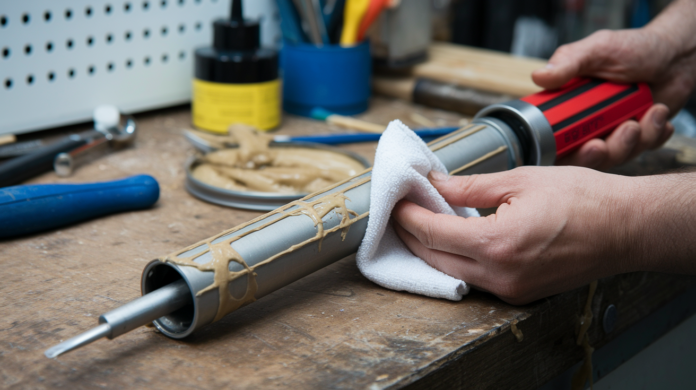

You’re halfway through caulking your bathtub when the rod just stops. The trigger won’t budge. You press the release, pull the handle, and nothing moves. So you assume the gun is broken and you’re stuck making an emergency hardware store run with a half-finished bead drying wrong. But about 85 percent of stuck rod problems have nothing to do with actual mechanical failure. They’re buildup, a stuck release tab, or incorrect tube loading. This guide walks through the three quick fixes that solve most plunger rod issues in under 10 minutes, no replacement needed.
Quick Fixes for the Three Most Common Rod Problems

Most rod problems have simple fixes that take maybe 5 to 10 minutes. No special tools needed. Just because the pusher rod’s jammed in place doesn’t mean your gun is toast. Before you assume you need a new tool or call it quits on your project, work through these three fixes in order. They resolve the majority of plunger stuck situations and get you back to work quickly.
Fix #1: Release Tab Still Engaged
If the rod won’t move in either direction, your release mechanism is probably still engaged or partially stuck. This happens when the friction plate grabs the rod and won’t let go, even when you think you released it.
- Press and hold the thumb release tab firmly while keeping steady pressure on it
- Pull the rod back at a 45 degree downward angle while holding only the back handle, not anywhere else on the gun
- Test trigger movement without a tube installed to confirm the release fully disengaged and the rod slides freely
Fix #2: Dried Caulk Buildup
When the rod moves but grinds or catches, you’re dealing with hardened sealant on the metal surface. This creates friction that makes it feel like the mechanism is broken when it’s really just dirty.
- Press the release and fully retract the rod so you can see the entire length
- Wipe the rod with a damp cloth, or apply WD-40 to stubborn dried caulk residue and let it sit for 30 seconds
- Clean the cradle and barrel track where the rod slides, removing any visible chunks of hardened material
- Apply light machine oil to the rod and work it back and forth a few times to test operation
Fix #3: Bent Release Tab
If the thumb release feels loose, doesn’t click when you press it, or wobbles side to side, the tab itself is bent out of position or flipped the wrong way.
- Remove the nut securing the plunger plate with a wrench while holding the release tab to control the spring
- Remove the release tab carefully, hold the trigger spring so it doesn’t fly out, flip the tab over and reinsert it making sure the holes line up
- Reinsert the plunger rod with the hook end pointing toward the top of the gun
- Reattach the nut to the plunger plate and test the trigger to make sure it clicks and releases smoothly
These three fixes resolve about 85 percent of rod problems. Start with Fix #1 since it takes 30 seconds. If that doesn’t work, move to Fix #2 for cleaning. Only tackle Fix #3 if the first two didn’t help and you can see or feel that the release tab is damaged. Most of the time, a stuck plunger is dried caulk buildup, not actual mechanical failure.
Fixing Release Tab and Bent Rod Issues
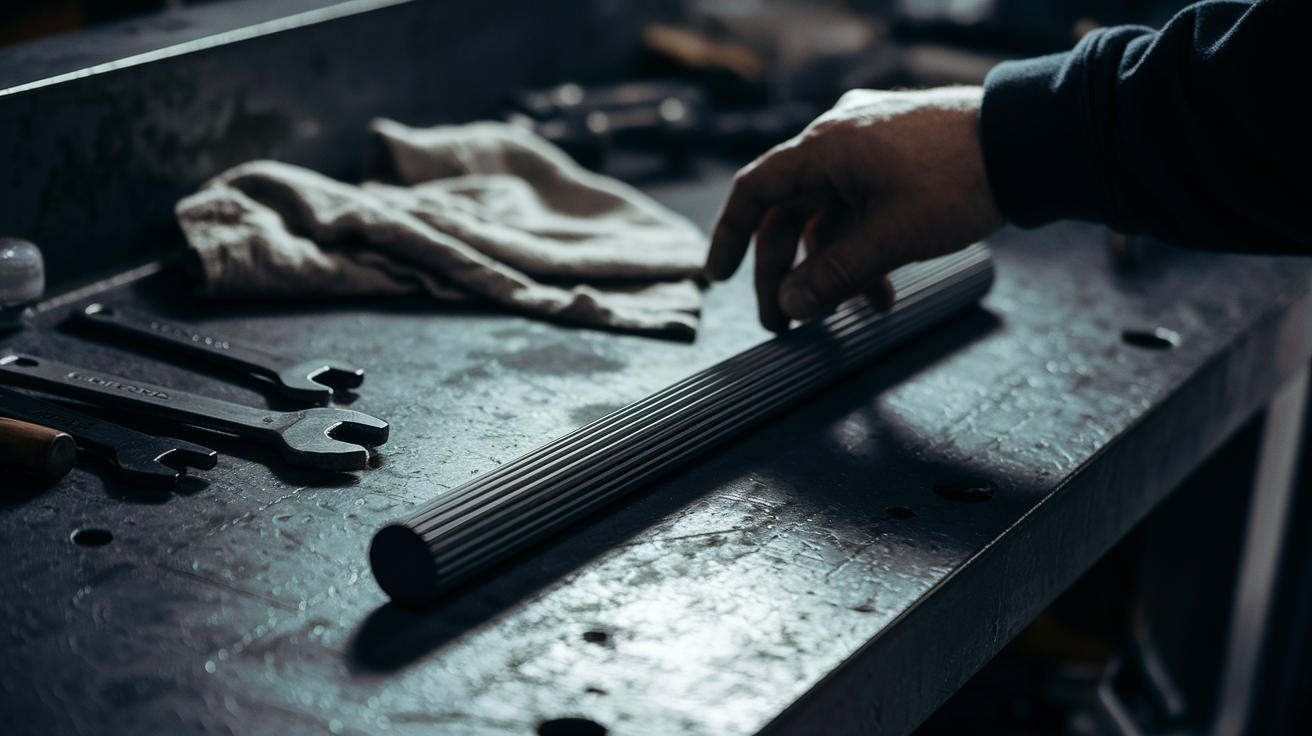
To figure out which problem you’re dealing with, test the release tab first. Press it and listen for a click. Pull the rod back and see if it retracts smoothly. If the release clicks but the rod still binds or won’t move forward, remove the rod completely and roll it on a flat surface like a workbench or concrete floor. A bent rod will wobble as it rolls. If the release doesn’t click, feels mushy, or the rod won’t retract at all even when you press it, the release mechanism is your problem.
Advanced Release Tab Repair
Severe release damage shows up as a tab that won’t depress no matter how hard you press, feels loose or wobbly when you touch it, or doesn’t make the normal clicking sound. Sometimes the tab moves but nothing happens because the connection inside broke.
- Remove the nut at the rod end with a wrench while holding the release tab and keeping one hand ready to catch the trigger spring
- Carefully remove the release tab while keeping the spring controlled so it doesn’t pop out and disappear into your work area
- Inspect the tab for cracks, severe bending, or stripped holes where it connects to the trigger assembly
- If the metal looks repairable with no cracks, flip the tab over so the bend faces the opposite direction, align the holes, and reinsert it with the spring positioned correctly
- Reattach the rod with the hook end facing the top of the gun and secure the nut, then test the trigger several times
If the tab has cracks, multiple bends, or the holes are stripped and enlarged, repair won’t hold. You’ll need to replace the gun or find replacement parts for that specific model.
Straightening Bent Rods
Start with visual inspection. Roll the rod slowly on a flat surface and watch where it lifts off the table. That’s your bend location. Slight bends under 10 degrees are fixable. Severe kinks aren’t.
- Apply gentle hand pressure in the direction opposite the bend, working slowly and checking progress by rolling the rod after each adjustment
- Press the bend point against a flat solid edge like a workbench corner with slight even pressure, rotating the rod slightly and rechecking alignment
- Roll the rod under a straight board while applying downward pressure directly over the bend, which distributes force more evenly than hand pressure alone
Don’t over-correct. Bending the rod back and forth weakens the metal through work hardening and creates new failure points. If you straighten it once and it bends again during normal use, the rod has metal fatigue. Multiple kinks, visible cracks, or bends beyond 15 degrees mean the rod is done. At that point, even a successful straightening will fail again within a few uses because the metal structure is compromised.
When the Problem Isn’t Actually Rod Advancement
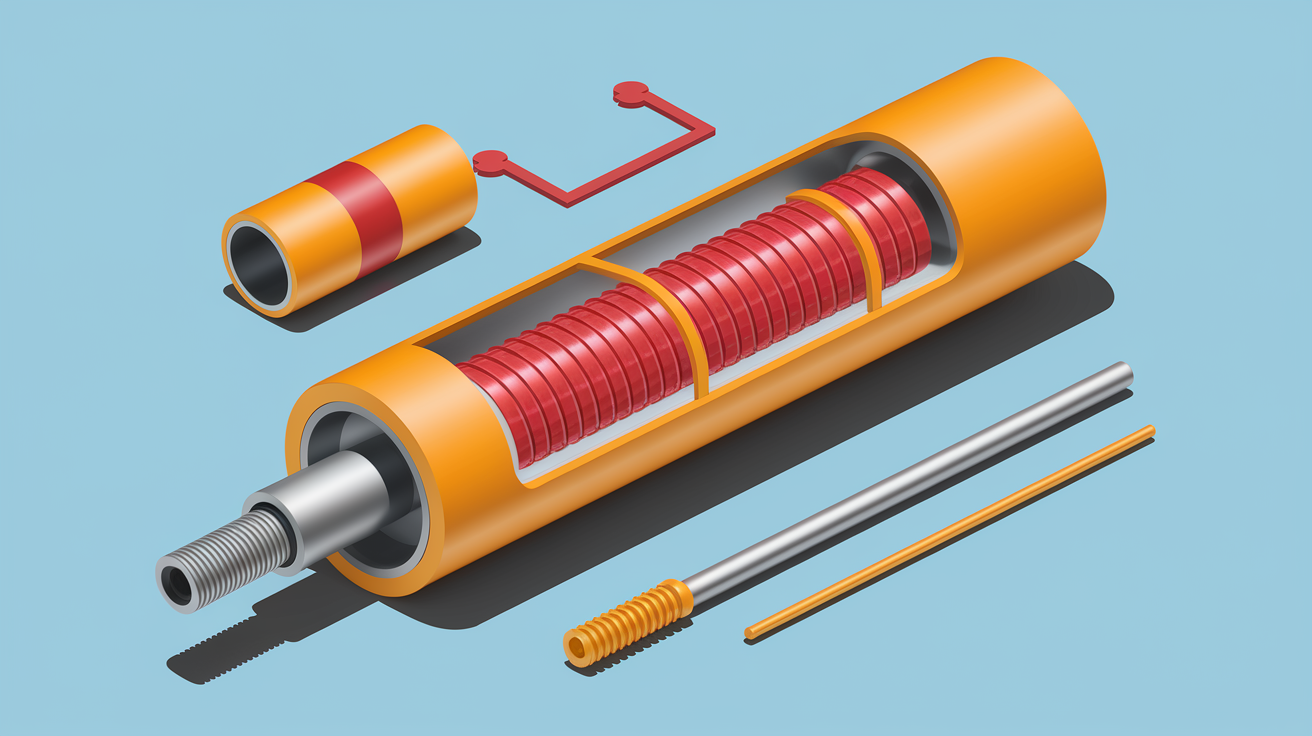
Sometimes the rod mechanism works perfectly but seems jammed because nothing comes out of the tube. The trigger pulls, you feel resistance, but the gun acts broken.
Here’s a quick diagnostic test. Remove the tube completely and test the rod movement in an empty gun. Press the trigger and watch the rod advance. Press the release and pull the rod back. If it moves freely with no grinding or sticking, your rod mechanism is fine. The problem is tube installation or material flow, not the gun itself.
Six issues create symptoms that feel exactly like a jammed pusher rod:
- Tube inserted backward with the nozzle pointing the wrong direction, creating pressure with nowhere to go
- Cartridge not fully seated in the cradle, causing plunger plate misalignment that makes the rod feel stuck
- Unpunctured or incompletely punctured inner foil seal creating back pressure that stops rod advancement
- Nozzle opening cut too small for the material viscosity you’re using
- Cold temperature thickening high viscosity sealants like polyurethanes and construction adhesives
- Plunger plate sitting crooked on the tube base instead of centered and flat
Proper loading sequence prevents most of these. Fully retract the rod. Clean any dried material out of the barrel. Puncture the inner foil seal by pushing the puncture wire all the way to the back of the tube, not just barely through. Cut the nozzle at a 45 degree angle with an opening size that matches your bead width. Insert the tube until it seats completely against the cradle. Line up the plunger plate flat against the tube base before advancing the rod.
Forcing the trigger repeatedly against a blocked tube damages working rod mechanisms. The pressure bends rods, strips ratchet teeth, and wears friction plates. Always verify the material is actually flowing before you assume mechanical failure and start yanking on the gun.
Repair vs. Replace: Making the Right Decision

Your decision comes down to repair time and likelihood of success versus the cost of a quality replacement. Some problems are quick fixes. Others aren’t worth the effort on a budget gun that will fail again in three months.
| Problem | Repair Difficulty | When to Replace Instead |
|---|---|---|
| Dried caulk buildup | Easy, 5 min cleaning | Never, always worth cleaning first |
| Stuck release tab | Easy, 15 min flip and adjust | Tab is cracked or broken completely |
| Bent rod | Moderate, straightening is risky | Multiple bends or visible kinks present |
| Worn ratchet or friction plate | Not DIY repairable | Trigger moves but rod doesn’t advance |
| Internal trigger spring failure | Not DIY repairable | Trigger feels loose or won’t return |
| Frame or barrel damage | Not repairable | Visible cracks or severe bending |
Budget guns in the $8 to $15 range use plastic components that crack, simple ratchet mechanisms that wear out quickly, and lack drip prevention features. If you’re fixing the same gun for the third time in a year, you’re spending more time on repairs than the tool is worth. Repeated problems signal that you’ve outgrown the tool’s capability, not that you’re unlucky or doing something wrong.
Quality features worth investing in include thrust ratio appropriate for your materials. Standard 10:1 works for acrylics and latex. Heavy duty 18:1 handles construction adhesives and cold weather sealants. Professional 26:1 pushes thick polyurethanes without arm fatigue. Metal rod and frame construction outlasts plastic. Automatic pressure release and dripless technology prevent the constant oozing that ruins finish work. Integrated seal puncture and nozzle cutting tools mean you’re never hunting for a utility knife or screwdriver.
Price to value breakdown shows the real cost over time. Budget models at $8 to $15 need replacement every one to two years with regular use. Mid grade guns at $20 to $35 last three to five years. Professional models at $40 to $80 provide ten plus years of reliable service. If you caulk once a year for small repairs, budget is fine. If you’re sealing baseboards, tub surrounds, and exterior gaps multiple times per year, mid grade or professional pays for itself by eliminating replacement costs and mid project failures. Your usage frequency determines optimal investment level, not the size of your current project.
Prevention: Maintenance That Stops Rod Problems Before They Start
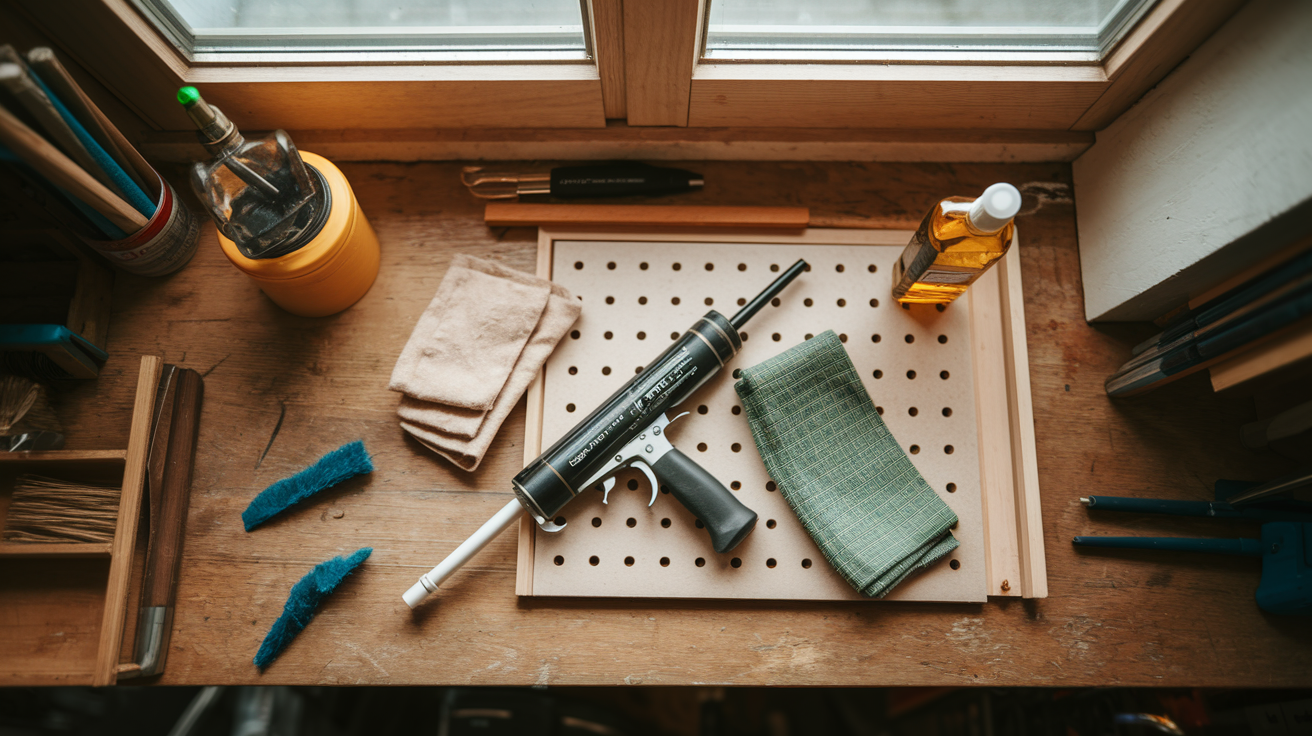
Most rod failures result from dried material buildup and can be prevented with two to three minutes of care after each use. A gun that gets wiped down stays reliable for years. One that gets tossed in a toolbox with wet caulk on it fails within months.
Seven immediate post use habits that prevent 90 percent of rod problems:
- Wipe the rod clean with a damp rag before caulk hardens into a cement like coating
- Clean visible caulk from the cradle and barrel where buildup creates friction
- Press the release and fully retract the rod so dried material can’t lock it in place
- Apply light machine oil to the rod if you won’t use the gun for a week or more
- Store the gun upright or hanging to prevent material from dripping back into the trigger mechanism
- Keep spare tubes sealed with caps or wrapped ends so they don’t leak during storage
- Inspect the rod for developing rust spots or slight bends that will get worse
For regular users, monthly deep maintenance extends gun life significantly. Quarterly disassembly lets you clean areas you can’t reach during normal wipe downs. Use light machine oil for long term lubrication. WD-40 works for cleaning stuck parts but evaporates too quickly for ongoing protection. Apply one drop to trigger pivot points and the drive plate where the ratchet teeth engage. Avoid over lubrication. Excess oil attracts dust and sawdust that create abrasive paste inside the mechanism.
Usage techniques reduce rod stress and prevent damage during normal work. Warm cold tubes to room temperature before use. Material that’s too thick creates excessive pressure on the rod and bends it. Match gun thrust ratio to material viscosity. Standard 10:1 guns struggle with polyurethanes and construction adhesives. Use 18:1 or higher for thick materials. Rotate the barrel on vertical surfaces to maintain proper alignment. Awkward angles during overhead or side application bend rods. Take breaks during extended caulking sessions. Continuous use lets material build up and harden before you notice it.
Storage environment matters more than most people think. Hang guns on pegboard hooks instead of laying them in a toolbox where other tools stack on top and bend the rod. Store in climate controlled space to prevent rust, especially if you live in humid areas or near salt water. Organize guns by thrust ratio if you own multiple models. Grabbing the right gun for your material the first time prevents the wear that comes from forcing a low thrust gun to push thick sealant it wasn’t designed to handle.
Final Words
When your caulk gun rod won’t push, start with the simple stuff: press the release tab, check for dried caulk, and wipe everything down.
Most of the time, you’re looking at a 5-minute fix, not a broken tool.
If the rod’s bent or the release tab is toast, you’ll know pretty fast. Straighten what you can, replace what you can’t.
And here’s the thing—cleaning your gun after every use stops almost all of this before it starts. Two minutes now beats 20 minutes of troubleshooting later.
Keep that rod clean, store it upright, and you’ll be back to smooth, steady beads in no time.
FAQ
Why is my caulking gun not pushing?
A caulking gun rod won’t push when the release tab stays engaged, dried caulk builds up on the rod or in the cradle, or the rod has a bend. Press the thumb release firmly and pull the rod back at a 45-degree angle while holding the back handle. If that doesn’t work, remove the rod, wipe it clean with a damp cloth or WD-40, and check for visible bends by rolling it on a flat surface.
How to release pressure on caulking gun?
To release pressure on a caulking gun, press and hold the thumb release tab on the back handle, then pull the rod straight back toward you. The rod should slide smoothly out of the tube. If the rod won’t retract, press the release tab harder while angling the rod slightly downward and pulling firmly on the back handle only.
How to unblock silicone gun nozzle?
A blocked silicone gun nozzle is usually caused by dried caulk in the tip or an unpunctured inner foil seal. Remove the nozzle and check if the seal inside the tube was fully punctured with the puncture wire. If the nozzle tip is clogged, cut off the dried section at a fresh 45-degree angle or clear the opening with a wire or nail.
How to release caulk gun plunger?
The caulk gun plunger releases when you press the thumb release tab and pull the rod back. If the plunger stays stuck to the tube, dried caulk may be gluing it in place. Press the release, pull the rod back firmly, and if needed, twist the plunger plate gently while pulling to break the seal between dried material and the tube base.