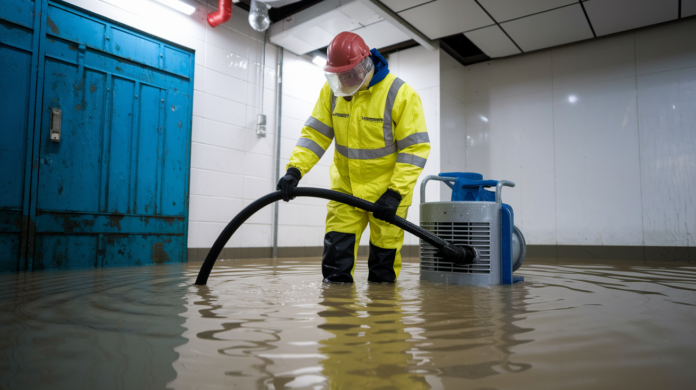

You’re standing in three inches of basement water at 2 a.m., and your first question is probably, “Can I just shop vac this myself?” Here’s the truth: standing water you can see is only part of the problem. Water migrates into walls, soaks subflooring, saturates insulation, and starts a 24-hour countdown to mold growth that regular household equipment can’t stop. Professional basement flood cleanup services bring industrial pumps, commercial dehumidifiers, thermal cameras, and antimicrobial treatments built specifically for large scale water emergencies. This guide breaks down what emergency cleanup actually covers, how contamination level changes everything, and when calling a pro immediately saves you thousands in hidden damage down the road.
Getting Immediate Help: Local Basement Flood Cleanup Services Near You

When your basement floods, you need to contact local cleanup services right away. A lot of them run 24/7 and can get teams to you within hours, nights and weekends included. These crews know flood damage gets worse every hour, so getting equipment on site fast is what they do.
Most services cover pretty wide areas, suburbs and nearby towns included. You’re looking at one to four hours for response time depending where you are and how busy they are right now. When you call, they’ll ask about water depth, what type of contamination you’re dealing with, and whether your utilities are still running.
Professional crews focus on pulling out standing water, drying everything completely, sanitizing what got wet, and documenting how bad it is. They stop the immediate crisis and keep secondary problems like mold and structural damage from starting. They show up with industrial pumps, commercial dehumidifiers, air movers, moisture meters, and antimicrobial treatments built for large scale water emergencies that totally overwhelm what you’ve got in your garage.
You should understand what these emergency services cover and what they don’t. Cleanup handles the water damage itself. It doesn’t include permanent waterproofing like sump pump systems or French drains, structural repairs like replacing drywall or flooring, or fixing your personal stuff like furniture and electronics. Those need separate contractors or additional agreements.
What’s included in professional cleanup:
Emergency water extraction using high capacity industrial pumps to get standing water out fast
Structural drying with commercial grade dehumidifiers and air movers running nonstop for several days
Surface cleaning and sanitizing to knock out contaminants, bacteria, and stop microbial growth
Moisture detection and monitoring using thermal cameras and moisture meters to track drying progress
Damage assessment and documentation with photos and detailed reports for insurance
Antimicrobial treatment on everything affected to prevent mold from taking hold while things dry
The clock starts the second your basement floods. Mold can start growing in 24 to 48 hours when it’s damp, and your structural materials keep soaking up water until proper drying equipment gets running. Calling cleanup services immediately cuts your total damage down, shortens drying time, and prevents the long term problems that show up when water sits for days.
Understanding Water Damage Categories and Sewage Contamination

Water damage gets sorted into three categories based on how contaminated it is. Understanding these explains why some basement floods cost way more to clean up than others.
Category 1 is clean water from stuff like burst supply lines, broken water heaters, or sinks that overflowed before touching other surfaces. This water doesn’t pose much health risk if you handle it quick. Cleanup focuses on extraction and drying. Costs typically run $500 to $1,500 for pumping and drying about an inch of standing water. Materials can often get dried and saved instead of tossed.
Category 2 is gray water with chemical, biological, or physical contaminants from sources like washing machine overflows, dishwasher leaks, or sump pump failures. This water can make you uncomfortable or sick if you touch it or drink it. Gray water restoration runs $3,000 to $5,000 because it needs more extensive cleaning, disinfection protocols, and careful handling. Materials that absorbed gray water need thorough sanitizing, and porous items often have to go.
Category 3 is black water. Most dangerous classification. Usually from sewage backups, flooding that touched ground surfaces, or any standing water that sat for days and grew bacteria. Black water cleanup costs $10,000 or more because of severe contamination requiring complete disposal of all materials and porous items that absorbed the water. This means drywall, insulation, carpeting, padding, upholstered stuff, and often wood materials. Sewage contaminated water has harmful bacteria, viruses, and parasites that create serious health hazards. Technicians wear full protective gear including respirators, waterproof suits, gloves, and boots. The whole affected area needs aggressive disinfection, all contaminated materials get bagged and disposed of following hazardous waste protocols, surfaces get treated with hospital grade antimicrobial solutions, and air scrubbers with HEPA filtration run continuously to grab airborne contaminants and keep them from spreading to areas that aren’t affected.
Safety protocols for Category 3 sewage backup and black water:
Full protective equipment with respirators, waterproof suits, rubber boots, and multiple glove layers for everyone working
Contaminated material containment by sealing affected areas with plastic sheeting to stop spread during removal
Separate disposal procedures with all contaminated materials double bagged and removed as biohazard waste
Surface disinfection in multiple passes using hospital grade antimicrobial solutions that get applied, left to dwell, then reapplied
Air quality control with negative air machines and HEPA air scrubbers running the whole time to capture airborne pathogens
Complete removal of all porous materials that touched black water since you can’t adequately disinfect these once they’re contaminated
Trying to handle contaminated water cleanup yourself creates serious health risks. Bacterial infections, parasitic diseases, and respiratory illness from airborne pathogens. Category 2 and especially Category 3 water damage needs professional equipment, safety protocols, and disposal methods you can’t replicate safely at home.
Complete Basement Water Extraction and Drying Process

Professional water extraction starts with industrial grade pumps that can pull hundreds of gallons per minute. Way beyond household shop vacs that might handle a few gallons before you’re emptying them again.
Once standing water’s gone, the real work starts with structural drying equipment. Commercial air movers create high velocity airflow across wet surfaces, cranking up evaporation rates way past what household fans can do. These machines move thousands of cubic feet per minute and get positioned strategically to push airflow across floors, up walls, and into areas where moisture built up. Industrial dehumidifiers work alongside air movers, pulling moisture from the air and condensing hundreds of pints daily. Professional grade dehumidifiers ($800 to $1,200 to buy) still fall short of commercial units that can extract moisture in high humidity environments where consumer models just recirculate damp air without actually removing much moisture.
Moisture detection equipment is what separates professional cleanup from DIY attempts. Thermal imaging cameras show temperature differences that point to moisture pockets hidden behind walls, under flooring, and in ceiling cavities. These cameras show exactly where water traveled through building materials, even when surfaces look dry. Moisture meters give you precise readings at different depths within materials, letting technicians track drying progress and know exactly when materials have hit normal moisture levels. Without these tools, hidden moisture goes undetected and creates mold growth weeks later inside wall cavities or under your floor.
The gap between professional and consumer equipment becomes obvious in capacity, durability, and how well it works. A portable utility pump ($75 to $250) might remove shallow standing water slowly. Commercial pumps extract deep water in minutes. A consumer dehumidifier struggles in cold basements and high humidity conditions. Commercial units are built specifically for water damage restoration environments. Moisture detection tools that DIYers don’t have at all mean hidden water goes unnoticed until damage shows up.
The complete extraction and drying process goes like this:
-
Initial water extraction removes all standing water using high capacity pumps, starting with the deepest spots and working systematically across the entire basement
-
Moisture assessment documents affected areas using thermal imaging and moisture meters, finding where water migrated into walls, subfloors, and building cavities
-
Equipment placement positions air movers and dehumidifiers based on moisture readings and airflow patterns to maximize drying efficiency throughout the space
-
Continuous monitoring means daily moisture readings at multiple locations, equipment adjustments as conditions change, and documentation of drying progress
-
Final verification confirms all materials have returned to normal moisture levels using meter readings before equipment gets removed and the project wraps
Mold Prevention and Remediation During Flood Cleanup
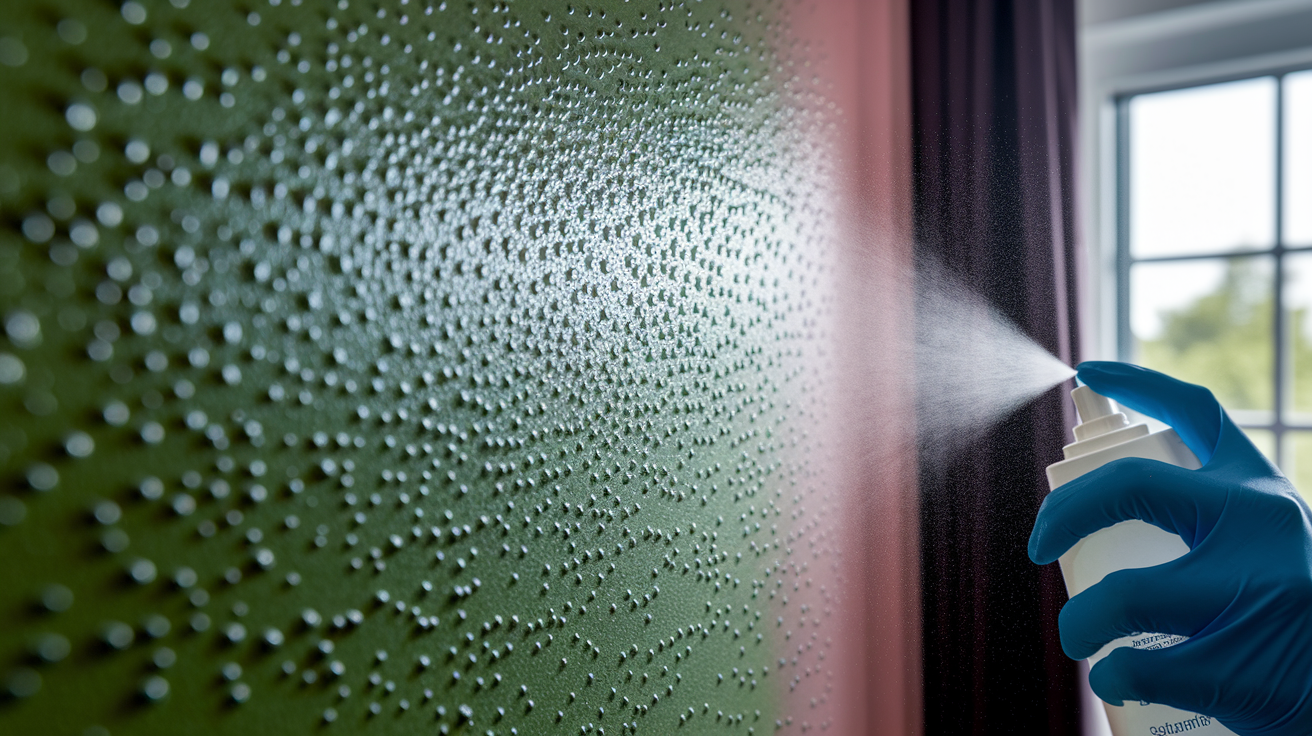
Mold growth starts within 24 to 48 hours when building materials stay damp without proper drying. This tight window explains why rapid professional response matters so much after basement flooding. Every hour of delay increases mold colonization risk.
Antimicrobial treatments are a critical part of professional flood cleanup. These solutions get applied to all affected surfaces during and after water extraction, creating an environment that prevents mold spores from establishing colonies while materials dry. Antimicrobial treatments don’t eliminate the need for proper drying (nothing grows well on dry surfaces anyway), but they provide crucial protection during the vulnerable period when materials are damp but not yet fully dried.
Hidden moisture is the biggest mold risk because you can’t see it. Water migrates into wall cavities through baseboards, travels under flooring through tiny gaps, and soaks insulation inside walls. Professional cleanup crews use moisture detection equipment to locate these hidden water pockets, then create drying conditions that pull moisture out. This might mean removing baseboards to get more airflow into wall cavities, drilling small weep holes at the base of walls to let trapped water drain, or removing sections of wet insulation that would take weeks to dry in place.
Air quality changes immediately when basements flood. That musty smell comes from mold spores and bacterial growth in damp conditions. Professional cleanup involves ventilation strategies that exchange basement air with outside air when weather permits, or use air scrubbers with HEPA filtration to continuously clean circulating air. Proper ventilation also helps drying by removing moisture saturated air and replacing it with drier air that can absorb more evaporating water. Technicians monitor relative humidity levels daily and adjust ventilation and dehumidification equipment to maintain conditions that prevent mold growth while maximizing drying speed.
Basement Flood Cleanup Cost Factors and Pricing

Professional basement flood cleanup runs between $2,000 and $10,000 for most residential projects, with the average in the $3,000 to $5,000 range for standard cleanup and drying. These baseline costs cover water extraction, structural drying, basic sanitizing, and damage assessment but don’t include reconstruction or waterproofing installations.
Multiple factors determine where your specific project lands within this range. Water depth and total volume directly affect pumping time and equipment needed. A few inches across a small basement costs way less than three feet of water in a large finished space. Contamination category (clean, gray, or black water) dramatically impacts cost because of safety protocols, disposal requirements, and material replacement needs. Basement square footage influences equipment quantity and labor hours since larger spaces need more air movers, dehumidifiers, and technician time. How long the water sat matters because materials absorb more water over time, requiring longer drying periods and potentially more material removal.
Property layout and accessibility also influence pricing. Basements with multiple small rooms need more equipment positioned in each space compared to open layouts. Stairs too narrow for large equipment mean carrying everything by hand, adding labor time. Buildings where parking isn’t close to the entry point increase the physical effort involved in equipment transport. Finished basements with drywall, drop ceilings, carpeting, and built ins cost more to dry and clean than unfinished concrete and block spaces.
| Flood Scenario | Typical Cost Range |
|---|---|
| Minor clean water (Category 1), several inches, small area | Under $2,000 |
| Average gray water (Category 2), moderate depth, standard basement | $3,000 to $5,000 |
| Severe black water (Category 3), sewage backup, extensive contamination | $10,000 or more |
| DIY attempt with equipment purchase, limited to clean water only | $1,500 (equipment only, no labor or expertise) |
| Substantial major flooding, deep water, large area, extended standing time | $25,000 or more |
Insurance Claims Assistance for Basement Flooding

Standard homeowner insurance policies typically cover sudden and accidental water damage like burst pipes, failed water heaters, or washing machine supply line breaks. These policies reimburse cleanup costs, equipment rental, and repairs needed to restore your home to pre loss condition. Coverage applies when the damage happened quickly and unexpectedly from a covered peril.
Most standard policies exclude flooding and sewage backups unless you bought specific additional coverage. Flooding means water that starts outside the home and rises to enter the structure, whether from heavy rainfall, storm surge, or overflowing bodies of water. Separate flood insurance through the National Flood Insurance Program or private insurers covers these events. Sewage backup coverage typically comes as an endorsement to your homeowner policy for modest additional premium. Without these specific coverages, you’re paying cleanup costs out of pocket even when the damage is extensive.
Professional cleanup companies provide documentation that significantly strengthens insurance claims. This includes detailed photos of damage before work begins, moisture readings at multiple locations showing the extent of water intrusion, itemized lists of affected materials and their condition, and a complete scope of work performed with dates and times. These documented records give insurance adjusters the specific information they need to process claims efficiently. Claims supported by professional documentation generally settle faster and with fewer disputes than claims based solely on homeowner descriptions.
Working with certified technicians carries additional weight during insurance evaluation. Adjusters recognize that certified professionals follow industry standards for water damage restoration, use calibrated equipment for moisture readings, and apply appropriate drying methods. Reports from certified companies get viewed as reliable third party documentation rather than interested party statements. This credibility helps when there are questions about damage extent or whether specific cleanup procedures were necessary.
Common Causes of Basement Flooding Requiring Cleanup
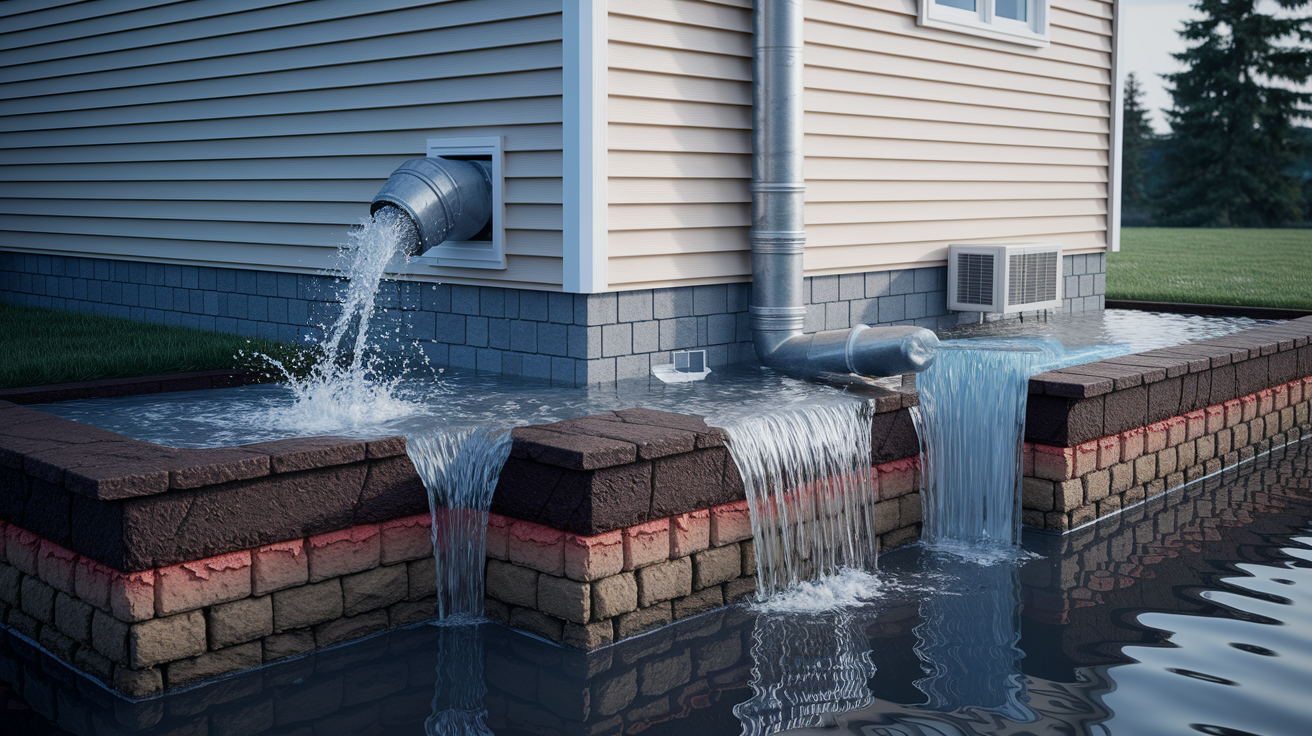
Basement flooding happens for lots of reasons, from mechanical failures to weather events. Understanding common causes helps you recognize warning signs before minor seepage becomes major flooding.
The most frequent causes requiring professional basement flood cleanup include:
Sump pump failure when power outages disable the pump during heavy rain, mechanical parts wear out and stop working, or discharge lines freeze and block water from exiting. A failed sump pump can let hundreds of gallons flood a basement in hours.
Burst pipes from frozen supply lines that expand and rupture, corroded older piping that develops leaks, or water hammer pressure spikes that crack fittings. Burst pipe flooding releases clean water initially but gets contaminated quickly as it contacts basement surfaces.
Heavy rainfall overwhelming drainage when ground becomes saturated and water pressure forces moisture through foundation walls, gutters overflow and direct water against foundations, or municipal storm systems back up into home drainage.
Groundwater seepage happening when the water table rises seasonally and hydrostatic pressure pushes water through foundation cracks, porous concrete, or block wall mortar joints. This creates persistent dampness or slow flooding over days.
Window well flooding from clogged window well drains, missing or damaged window well covers that let rain collect, or improperly graded soil directing water toward window wells instead of away from the foundation.
Sewage backups caused by municipal sewer line blockages, tree roots infiltrating sewer pipes, or combined sewer systems that overflow during storms. Sewage creates Category 3 contamination requiring extensive cleanup.
Discharge line problems including sump pump discharge that’s too short and directs water back toward the foundation, frozen discharge lines in winter, or disconnected discharge pipes that dump water against the basement wall instead of carrying it away.
What’s Included Versus What’s Not in Flood Cleanup Services
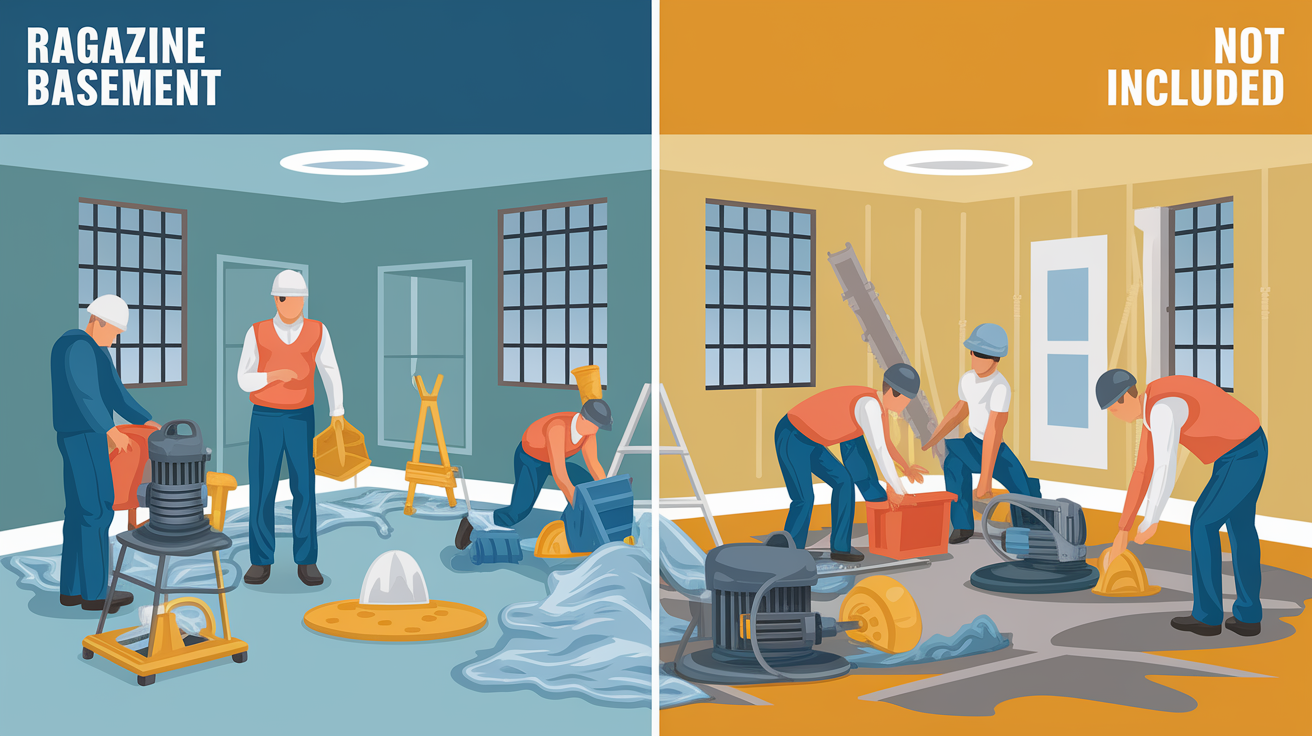
Basement flood cleanup services focus specifically on handling the immediate water damage. Removing standing water, drying affected materials, sanitizing surfaces, and documenting damage extent. These emergency services stop the crisis and prevent secondary damage but aren’t comprehensive restoration that returns your basement to pre flood condition.
Cleanup addresses damage already present. Waterproofing prevents future flooding. Cleanup services extract water that’s already in your basement, but they don’t install the sump pumps, drainage systems, or foundation sealing that would prevent the next flood. Reconstruction services repair or replace damaged building materials after cleanup is complete. Understanding these distinctions prevents confusion when you get proposals that cover cleanup but require separate contracts for repairs or prevention.
| Included in Cleanup | Not Included in Cleanup |
|---|---|
| Standing water extraction with industrial pumps | Sump pump installation or repair |
| Structural drying with commercial dehumidifiers and air movers | French drain installation or exterior drainage systems |
| Surface cleaning and antimicrobial treatment | Foundation crack sealing or exterior waterproofing |
| Moisture detection and drying progress monitoring | Drywall removal, replacement, and finishing |
| Damage documentation with photos and reports | Flooring removal, subfloor repair, and new flooring installation |
| Removal of unsalvageable materials soaked beyond recovery | Personal belongings restoration, furniture repair, or electronics recovery |
Choosing Certified and Licensed Flood Cleanup Contractors

You should verify licensing, certification, and insurance before signing any contract. Licensed contractors meet state requirements for business operation and often carry specific water damage restoration credentials. Insurance coverage (both liability and workers comp) protects you if someone gets injured on your property or if restoration work causes additional damage. Request proof of current insurance and verify it directly with the insurance company rather than just relying on certificates the contractor provides.
Local experience provides advantages that out of area contractors can’t match. Companies familiar with your region understand common flooding causes, local building construction methods, and regional weather patterns that affect drying strategies. In areas with brownstone construction, split level homes, and multi family buildings, local contractors know how water moves through these specific structures. They understand aging foundation vulnerabilities common in older neighborhoods and drainage challenges in dense urban development where properties sit close together. This knowledge leads to more accurate damage assessment and appropriate drying strategies for your specific situation.
Customer reviews, ratings, and references reveal patterns in contractor performance. Look beyond star ratings to read detailed reviews describing communication, cleanup thoroughness, timeline accuracy, and final results. Pay attention to how companies respond to negative reviews since problem resolution matters as much as avoiding problems entirely. Request references from recent projects similar to yours in size and damage type, then contact those homeowners directly to ask about their experience. Companies willing to provide recent references show confidence in their work quality.
Safety Precautions Before Professional Cleanup Crews Arrive

Safety concerns outweigh property concerns right after basement flooding. Taking the right actions in the first minutes protects your health and prevents injuries that are way more serious than property damage.
Take these immediate safety steps while waiting for professional basement flood cleanup services:
-
Call professionals immediately even before you start assessing damage yourself. Getting crews dispatched early reduces your total damage since mold growth and material deterioration continue until proper drying equipment arrives.
-
Shut off electricity at the breaker panel only if you can reach it without walking through water. Never enter standing water when electrical outlets, appliances, or equipment might be energized. If the breaker panel is in the flooded area or you have any doubt about electrical safety, wait for professionals.
-
Avoid walking in contaminated water especially if sewage backup is suspected or if the water contacted outdoor ground surfaces. Category 2 and Category 3 water contains bacteria, viruses, and parasites that cause illness through skin contact or accidental ingestion.
-
Don’t use household fans or space heaters to attempt drying the basement yourself. Household fans lack the power to dry building materials effectively and can spread contamination or mold spores to unaffected areas. Space heaters in damp environments create fire hazards.
-
Ventilate the space if possible by opening basement windows if weather permits and if doing so is safe. Fresh air exchange helps reduce humidity and odors, but don’t compromise security or let rain in.
-
Document damage with photos and video from a safe position before water gets removed. This documentation supports insurance claims and provides a baseline for damage assessment. Photograph water depth markings on walls if visible.
Secondary Damage Prevention and Structural Protection
Secondary damage develops when initial flooding isn’t addressed quickly or thoroughly enough. These problems show up days or weeks after water gets removed and often cost more to repair than the original flood damage itself.
Wood rot happens when framing lumber, floor joists, or subfloors stay damp for extended periods. Wet wood loses structural strength and becomes susceptible to fungal decay that spreads through connected framing. Floor joists that develop rot might need replacement requiring jacking up floors, removing finished surfaces above, and installing new structural members. Thorough drying prevents this progression by removing moisture before decay fungi can colonize the wood.
Hidden damage assessment reveals problems that aren’t visible from the basement itself. Water that soaks subfloors can wick upward into first floor walls, creating damage in rooms that never flooded. Insulation inside exterior walls absorbs water and stays damp for weeks without air circulation to dry it. Professionals check these hidden areas using moisture meters and thermal imaging rather than assuming damage is limited to visible wet surfaces. Finding this concealed moisture early allows targeted drying before it causes structural issues or mold growth inside walls.
Proper cleanup prevents ongoing foundation deterioration from salt deposits and mineral efflorescence. When water evaporates from concrete or masonry surfaces, dissolved minerals get left behind as white crusty deposits. These minerals expand and contract with moisture changes, gradually breaking down masonry surfaces over repeated cycles. Thorough cleaning removes these deposits and prevents the progressive scaling and spalling that weakens foundation walls over years.
DIY Basement Flood Cleanup Versus Hiring Professionals
DIY cleanup makes sense in very limited situations. Clean water from a known source, shallow depth (just an inch or two), small affected area, and immediate response before materials absorbed much water. If a supply line broke recently, you shut it off quickly, and there’s minimal standing water, you might successfully handle cleanup yourself with rented equipment.
DIY has clear limitations that make professional service necessary for most flood situations. Equipment capacity matters significantly since portable utility pumps ($75 to $250) move water slowly compared to industrial pumps, and consumer dehumidifiers ($800 to $1,200 for professional grade models) still lack the moisture removal capacity of commercial units. DIYers also lack moisture detection equipment to identify hidden water in walls and subfloors, meaning you’re drying blind without knowing if materials are actually getting dry. Contaminated water (gray or black water categories) should never be handled DIY because of serious health risks that aren’t worth the cost savings. The time commitment also makes DIY impractical since someone needs to monitor equipment, empty portable dehumidifiers if they’re not gravity drained, move air movers as areas dry, and check for problems over four to six days.
| Factor | DIY Approach | Professional Service |
|---|---|---|
| Cost | $1,500 equipment purchase (pump, hose, dehumidifier), suitable only for clean water | $2,000 to $10,000 depending on damage extent, includes labor and expertise |
| Equipment Quality | Consumer grade limited capacity, slower water removal, less effective in high humidity | Commercial grade high capacity, rapid extraction, industrial moisture removal, thermal imaging |
| Time Required | 4 to 6 days of constant attention, equipment monitoring, and physical labor | 4 to 6 days drying time but professionals handle all monitoring and adjustments |
| Contamination Handling | Not safe for gray water or sewage, serious health risks without proper PPE and protocols | Full safety protocols, protective equipment, proper disposal for all contamination categories |
| Thoroughness | Surface drying only, no detection of hidden moisture, guessing when materials are dry | Complete moisture detection, documented drying verification, identification of hidden water pockets |
Long Term Waterproofing Solutions After Flood Cleanup
Cleanup services restore your basement to dry condition but don’t prevent the next flood from the same cause. Waterproofing installations address the source of water entry and create permanent barriers or drainage that protect against future flooding.
Interior waterproofing solutions work from inside the basement to manage water that’s already penetrated the foundation. Interior drainage systems (sometimes called French drains even though they’re inside) consist of perforated pipe installed along the foundation perimeter at footing level, surrounded by gravel and covered with concrete. Water that seeps through foundation walls gets collected in this drainage system and directed to a sump pump that removes it before it can flood the floor. Vapor barriers applied to foundation walls prevent moisture transmission through porous concrete or block while directing any water downward to the drainage system. Crystalline sealants penetrate concrete surfaces and create a waterproof barrier within the concrete itself, though these work best on newer, less porous concrete.
Exterior waterproofing prevents water from ever reaching foundation walls by creating barriers outside the building. This involves excavating soil around the foundation perimeter, applying waterproof membrane or coating directly to foundation walls, installing drainage board to direct water downward, and placing perforated drain pipe at the footing level to collect and redirect water away from the foundation. Proper grading ensures soil slopes away from the foundation at least six inches over the first ten feet. Exterior French drains intercept groundwater before it reaches the foundation by providing an easier path for water to flow around the building rather than through it.
Common waterproofing methods installed after cleanup address different water entry paths:
Sump pump systems with battery backup provide automatic removal of groundwater collected by interior drainage systems, preventing flooding even during power outages when pumps are needed most
French drain installation either interior (at foundation footing inside) or exterior (outside foundation perimeter) intercepts and redirects water away before it can flood the basement
Foundation crack sealing with epoxy or polyurethane injection fills structural cracks that allow water entry, particularly important in poured concrete foundations with shrinkage cracks
Exterior waterproofing membrane applied to foundation walls during excavation creates a continuous waterproof barrier that water can’t penetrate even under hydrostatic pressure
Window well drainage improvement by adding gravel base layer and drainage connection to keep window wells from filling with water during rain
Downspout extension and grading correction to ensure roof water and surface runoff flow away from the foundation rather than pooling against basement walls
Final Words
Basement flooding doesn’t wait for convenient timing, and neither should your response.
The 24-48 hour window is real. Calling basement flood cleanup services immediately protects your home from mold growth, structural damage, and mounting costs.
Professional crews bring industrial equipment, contamination expertise, and moisture detection tools that DIY methods can’t match.
Whether you’re dealing with a burst pipe or sewage backup, knowing what services include, what they cost, and when to skip the DIY route puts you back in control.
Your basement can recover from this.
FAQ
How much does basement flood cleanup cost?
Basement flood cleanup typically costs between $2,000 and $10,000, with the average standard cleanup ranging from $3,000 to $5,000. Final costs depend on water depth, contamination category, basement square footage, and how long water remained standing before professionals arrived.
Who should you call after your basement floods?
After your basement floods, you should call a professional basement flood cleanup service that offers 24/7 emergency response and can arrive within hours of your call. Look for certified, licensed, and insured contractors with local experience in your area’s building types and common flooding patterns.
How do professionals clean up a flooded basement?
Professionals clean up a flooded basement by extracting standing water with industrial pumps, drying the space using commercial air movers and dehumidifiers, applying antimicrobial treatments to prevent mold, and assessing damage to building materials. The complete process typically takes four to six days depending on damage extent.
What type of professional fixes flooded basements?
Water damage restoration companies and certified flood cleanup contractors fix flooded basements. These professionals specialize in emergency water extraction, structural drying, contamination cleanup, and mold prevention, using industrial equipment and following safety protocols that standard plumbers or general contractors typically don’t provide.
What’s the difference between water damage categories?
Water damage categories classify contamination levels. Category 1 is clean water from supply lines costing $500 to $1,500 to clean. Category 2 is gray water from appliances costing $3,000 to $5,000. Category 3 is black water from sewage requiring specialized safety protocols and costing $10,000 or more.
Does homeowner insurance cover basement flooding cleanup?
Homeowner insurance typically covers sudden accidental damage like burst pipes but excludes flooding and sewage backups unless you purchased specific flood insurance. Professional cleanup services provide documentation, photos, and damage assessments that support your insurance claims when coverage applies.
How quickly must cleanup begin to prevent mold?
Cleanup must begin within 24 to 48 hours to prevent mold growth, which can start colonizing damp surfaces within this critical window. Professional services prioritize rapid drying and antimicrobial treatments to stop mold before it establishes, protecting both property and indoor air quality.
What’s included in basement flood cleanup services?
Basement flood cleanup services include standing water extraction, structural drying with industrial equipment, moisture detection using thermal imaging and meters, antimicrobial treatments, contaminated material disposal, and damage assessment documentation. Services focus on immediate damage mitigation, not permanent waterproofing or reconstruction.
Can you clean up a flooded basement yourself?
You can clean up a minor clean water flood yourself if you act immediately and rent proper equipment costing around $1,500. However, contaminated water, large volumes, hidden moisture, or any sewage involvement requires professional service due to health risks and the need for specialized equipment and expertise.
What equipment do professionals use that DIY lacks?
Professionals use industrial-grade pumps with vastly superior capacity, commercial air movers with high CFM ratings, and thermal imaging cameras that detect hidden moisture in wall cavities and subfloors. Consumer equipment like household shop vacuums and portable dehumidifiers can’t match this power or identify moisture visual inspection misses.
What safety steps should you take before professionals arrive?
Before professionals arrive, shut off electricity to the basement if you can do so safely from outside the flooded area, avoid walking in contaminated water, and don’t use household fans or heaters for drying. Call the cleanup service immediately and stay out of the affected area until help arrives.
What causes most basement flooding?
Most basement flooding comes from sump pump failures during heavy rain, burst water supply pipes, groundwater seepage through foundation cracks, sewage backups, window well overflow, clogged discharge lines, and inadequate drainage during coastal storms. Each cause requires immediate water extraction and thorough drying.