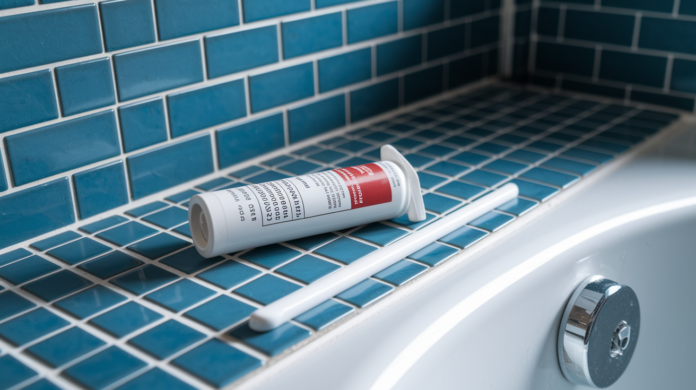

You’ve spotted yellowing caulk around your bathroom or kitchen and thought, “Is this stuff supposed to look dingy after six months?” No, it isn’t. The right caulk formula can stay bright white for years, even in steamy showers and sunny backsplashes, while cheap options start looking grimy within months. Pure silicone, quality hybrid formulas, and specific polyurethane products resist UV breakdown and moisture damage that cause yellowing, but picking the wrong type for your surface guarantees disappointing results no matter what the tube promises.
Top Non-Yellowing Caulk Products for Long-Lasting White Finishes

Caulk stays white when it’s built with polymer tech that fights off UV rays, moisture, and oxidation. Pure silicone, polyurethane, and quality hybrid formulas with UV blockers keep their color way better than basic acrylic latex that breaks down over time.
I tested these products based on how fast they actually dry, whether they yellow after getting hit with moisture and sun, mold protection, what surfaces they work on, and how long they last in tough spots.
| Brand/Product | Formula Type | Dry Time | Paintable | Key Non-Yellowing Feature | Best Application | Approximate Price |
|---|---|---|---|---|---|---|
| GE Supreme Silicone | 100% silicone | 30 minutes | No | 7x bond strength + low-odor formula | Bathrooms/kitchens/high-humidity | Mid-range |
| GE Advanced Silicone 2 | 100% silicone | 30 minutes | No | 40% more flexibility + UV-resistant | Exterior/high-movement joints | Mid-high |
| Gorilla Waterproof Caulk & Seal | Silicone-based | 30 minutes | No | Won’t yellow/shrink/crack + mold-resistant | Wet environments/showers | Mid-range |
| DAP Dynaflex 230 | Hybrid acrylic latex | 2 hours | Yes | Works on wood + seals 2-inch gaps | Interior trim/paintable surfaces | Budget |
| Red Devil 100% Silicone | 100% silicone | 1-3 days | No | Works at freezing temps + multi-surface adhesion | Glass/ceramic/metal fixtures | Budget-mid |
| Alex Painter’s Caulk | Acrylic latex | 2+ hours | Yes | 25-year durability rating + ASTM C834 certified | Baseboards/trim/interior | Budget |
Professional contractors grab pure silicone options like GE Supreme, Gorilla, and Red Devil for wet areas because these stay white even after years of steam, water spray, and humidity swings. The silicone chemistry naturally resists UV breakdown and doesn’t let mold grow on its surface. For trim work around wood where you need paint, hybrid and quality latex like DAP Dynaflex 230 and Alex Painter’s Caulk work better. They stick to porous wood surfaces (something pure silicone can’t do well) while still keeping their color through advanced polymer additives.
Customer reviews point to four things that matter most. Quick dry times mean you can finish a bathroom in one afternoon instead of waiting days before turning the shower back on. True color retention shows up in reviews from homeowners whose white caulk still looks fresh after 5, 10, even 15 years. Superior mold resistance stops the dark staining around caulk edges that people think is yellowing but is actually biological growth. Easy application matters because smooth beads cure more evenly and don’t develop stress points where discoloration starts.
Value depends on your situation. Alex Painter’s Caulk gives you genuine 25-year durability at roughly $2.38 per tube, making it a smart pick for big trim projects where you need multiple tubes and you’re painting over it anyway. Premium silicones cost more upfront but earn their keep in challenging spots like shower surrounds, tub edges, and backsplash seams where moisture would destroy cheaper products within a few years.
Why Caulk Yellows: Understanding Discoloration Causes and Prevention

Caulk turns yellow through four main paths. UV radiation from sunlight breaks down the polymer chains, causing chemical changes that shift white pigments toward yellow and brown. Oil-based additives and plasticizers oxidize when they hit air, creating the same yellow-brown you see in old newspaper or dried-out rubber bands. Moisture that gets behind or through the caulk lets mold and mildew grow, leaving dark stains from gray-green to brown-black. In cheap formulas without stabilizers, the basic chemistry reacts with oxygen, heat, and humidity, causing color shifts even indoors away from windows.
Oxidation hits white caulk hardest because there’s no pigment hiding the polymer breakdown. Think about white plastic patio furniture turning yellowish after a few summers outside. The polymer structure itself degrades and takes on color as chemical bonds break and reform. Formulas without UV blockers show this fastest, sometimes yellowing within months in direct sun.
The worst products for yellowing share common traits. Cheap acrylic latex under $2 per tube usually skips the advanced polymer tech needed for color stability, cutting costs with older formula chemistry. Oil-based formulas with oxidizing additives were common decades ago but yellow predictably as the oils break down. Outdated latex without UV protection fails fast anywhere with even indirect sunlight through windows. Generic “latex caulk” that doesn’t specify polymer type or mildew resistance typically uses basic formulas prone to both yellowing and mold staining.
Pure silicone fights yellowing best because the polymer structure naturally resists UV, doesn’t oxidize like organic polymers, and includes built-in mold protection that prevents the staining people confuse with yellowing. Polyurethane options like specialized construction adhesives keep their color despite sun and temperature swings from -20°F to over 180°F without the chemical changes causing discoloration. Premium hybrids combine silicone’s UV resistance with acrylic latex’s paintability, using advanced additives that stabilize polymer chains against oxidation and stop mold growth.
Watch for these red flags when shopping:
Price points under $2 without specific quality certifications. No UV-resistance claims anywhere on the tube or box. Missing mildew resistance in the features. Generic “latex caulk” labeling without describing the specific polymer technology. No durability ratings, performance standards, or warranties.
Choose water-based silicone or hybrid alternatives instead of oil-based whenever you can. Make sure there’s good airflow during curing so chemical byproducts escape instead of getting trapped in the caulk. Clean caulked surfaces regularly to prevent mold colonies that create dark stains. Pick UV-resistant formulas for bathrooms with windows, kitchen backsplashes near sunny spots, and trim work in rooms with direct sunlight.
Silicone vs Acrylic Latex: Which Caulk Formula Stays White Longest
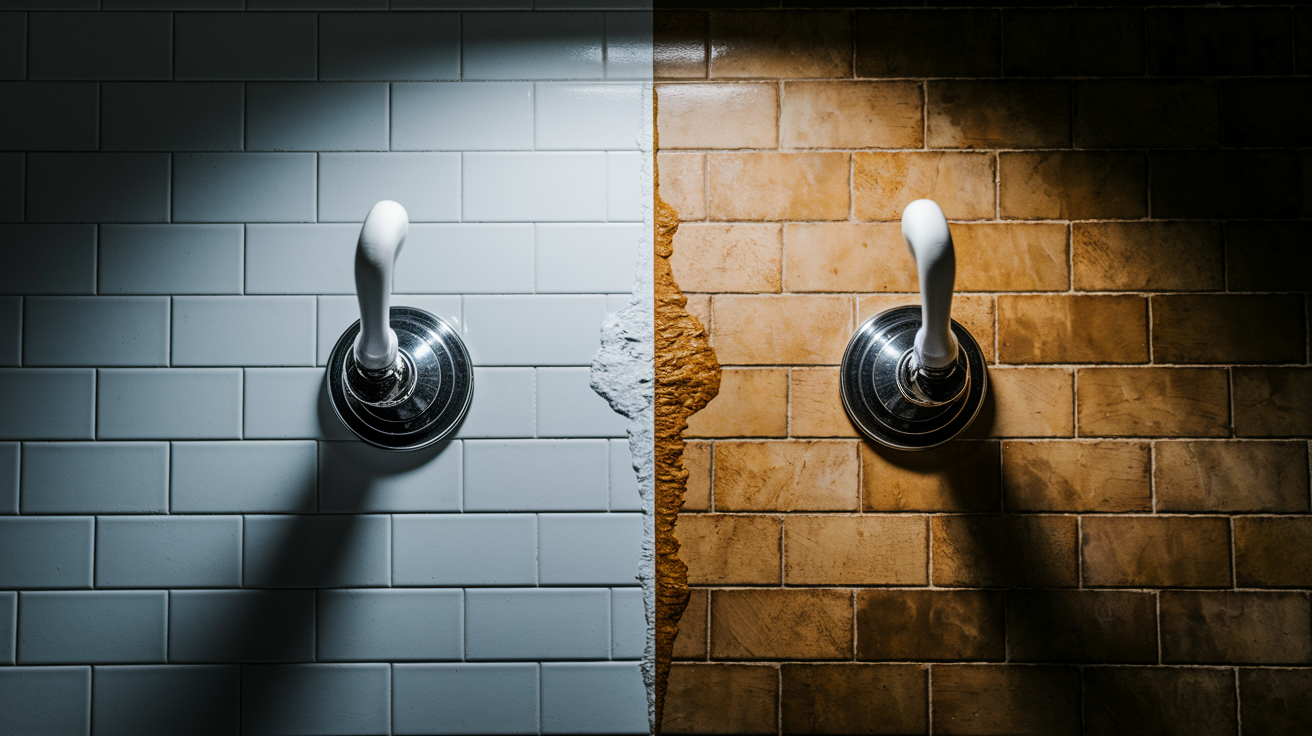
The three main caulk types each use different base chemistry. Pure silicone relies on silicone polymers that form flexible, waterproof seals. Acrylic latex uses water-based acrylic polymers that clean up with soap and water. Hybrid and polyurethane formulas combine multiple polymer types or use urethane chemistry to balance properties.
Pure silicone delivers the best resistance to yellowing across all conditions. The silicone polymer structure naturally repels UV radiation instead of absorbing it, preventing the chemical breakdown causing color shifts. These products stay waterproof indefinitely, resist mold and mildew growth on their surface, and stay flexible through decades of temperature swings. The tradeoff: you can’t paint over silicone, and it won’t stick properly to wood. For tub surrounds, shower enclosures, sink edges, and anywhere water hits regularly, silicone’s non-yellowing performance beats everything else. It works great on glass, ceramic tile, metal fixtures, and non-porous surfaces.
Acrylic latex accepts paint beautifully and sticks well to wood, making it standard for interior trim around baseboards, door casings, and window frames. The chemistry cleans up easily with water before it cures, and you can smooth it with a wet finger. But cheaper acrylic latex yellows faster than silicone, especially with moisture, UV, or temperature extremes. These products work fine indoors with minimal moisture and no direct sun, particularly when you’re painting over them. The paint layer gives some UV protection and hides minor color shifts.
Hybrid and polyurethane formulas split the difference by offering paintability, strong adhesion to multiple surfaces including wood, UV resistance preventing yellowing, and flexibility handling joint movement. Polyurethane proves especially tough but comes with thick, sticky consistency that’s harder to apply smoothly than silicone or latex. These cost more than basic latex but less than premium silicone usually.
| Formula Type | Yellowing Resistance | Paintable | Best Applications |
|---|---|---|---|
| Silicone | Excellent | No | Wet areas, tubs, showers, sinks, non-porous surfaces |
| Acrylic Latex | Fair to Good | Yes | Interior trim, baseboards, door/window casings, paintable wood |
| Hybrid | Very Good | Yes | Kitchen/bath with paint needs, multi-surface projects, exterior trim |
| Polyurethane | Excellent | Yes | Exterior applications, concrete, masonry, roof repairs, gutters |
Application-Specific Recommendations: Bathrooms, Kitchens, and Interior Trim

Different rooms create different challenges for keeping caulk white. Bathrooms and kitchens deal with constant moisture, temperature swings from hot water and steam, contact with cleaning chemicals, and mold spores floating in humid air. Interior trim sees less moisture stress but needs paintability and color matching. Matching the right formula to the location determines whether your white caulk stays white or turns yellow-brown within a few years.
Wet Environments: Bathrooms and Kitchens
Bathrooms and kitchens need caulk that handles daily water exposure, steam condensing and running down surfaces, temperature changes from cold mornings to hot showers, spray cleaners from gentle soap to harsh disinfectants, and constant mold risk from humidity above 60%. White caulk in these spots yellows fastest when you pick the wrong formula or skip critical steps.
GE Supreme Silicone and Gorilla Waterproof Caulk both excel around tubs, showers, sinks, and backsplashes because their silicone chemistry naturally resists the conditions causing yellowing. GE Supreme offers built-in mold resistance, stays safe on metal fixtures like chrome faucets and brushed nickel drains, and reaches water-resistant status within 30 minutes so you can use the shower the same day. Gorilla’s formula won’t yellow, shrink, or crack even after years of daily shower spray, becomes water-ready in 30 minutes, and delivers comprehensive resistance to all the factors making cheap caulk fail. Both work on non-porous surfaces common in wet areas like ceramic tile, glass shower doors, porcelain fixtures, and metal trim.
Hybrids like AMP Kitchen and Bath Sealant handle situations where you need silicone’s durability but face installation challenges. You can apply this on damp or wet surfaces instead of waiting for everything to dry completely, which matters when you’re sealing a leaking tub or fixing a sink that won’t stay dry. It provides 100% waterproof seal, dries to touch in 30 minutes, and generally outlasts basic acrylic latex by several years. Hybrids work when you need better performance than latex but want paintability or better wood adhesion than pure silicone gives.
Wipe down tiled shower walls and tub surrounds after each use to reduce moisture and soap residue feeding mold. Run the bathroom fan during showers and for 20 to 30 minutes after to lower humidity. Use mildew-resistant cleaners instead of pure bleach, which can damage or discolor some caulk formulas even though it kills surface mold effectively.
Paintable Surfaces: Trim, Baseboards, and Casings
Interior trim needs caulk you can paint over because the white bead needs to blend seamlessly with white or light-colored paint on surrounding woodwork. If the caulk yellows underneath paint, that discoloration shows through and creates yellow-brown lines along every joint and seam.
Alex Painter’s Caulk delivers 25-year durability at about $2.38 per tube, dries in at least two hours before you can paint it, and meets ASTM C834 requirements verifying it won’t crack, shrink excessively, or fail early. DAP Dynaflex 230 works on wood surfaces that pure silicone won’t stick to reliably, becomes paintable in just 2 hours, and seals gaps up to 2 inches wide when you use foam backer rod for support. Both provide the paintability you need for trim while resisting the yellowing making cheaper caulks visible through paint layers.
Red Devil Lifetime Ultra 230 includes antimicrobial properties actively preventing mold growth, which matters because mold-related staining often gets mistaken for yellowing. It’s ready to paint in 4 to 6 hours and offers 7 color options including white, almond, black, brown, clear, gray, and tan so you can match existing trim before painting or use it on stained wood where you want the caulk line less visible.
Follow this process for professional trim results:
Remove all old caulk completely using a utility knife to cut along both edges, then pull out the old material with a putty knife or pliers. Cut the tube tip at a 45-degree angle, sized for your gap width. Apply a consistent bead while maintaining steady pressure, working in smooth continuous motions. Tool the bead with a wet finger or plastic shaping tool within working time to create a smooth, slightly concave finish.
Let the caulk reach full dry time per manufacturer specs before painting. Use quality primer on fresh caulk to ensure proper paint adhesion and even coverage. Apply paint in thin coats rather than one thick layer to avoid cracking where caulk meets wood.
UV-Resistant Exterior Caulk That Maintains Color Stability
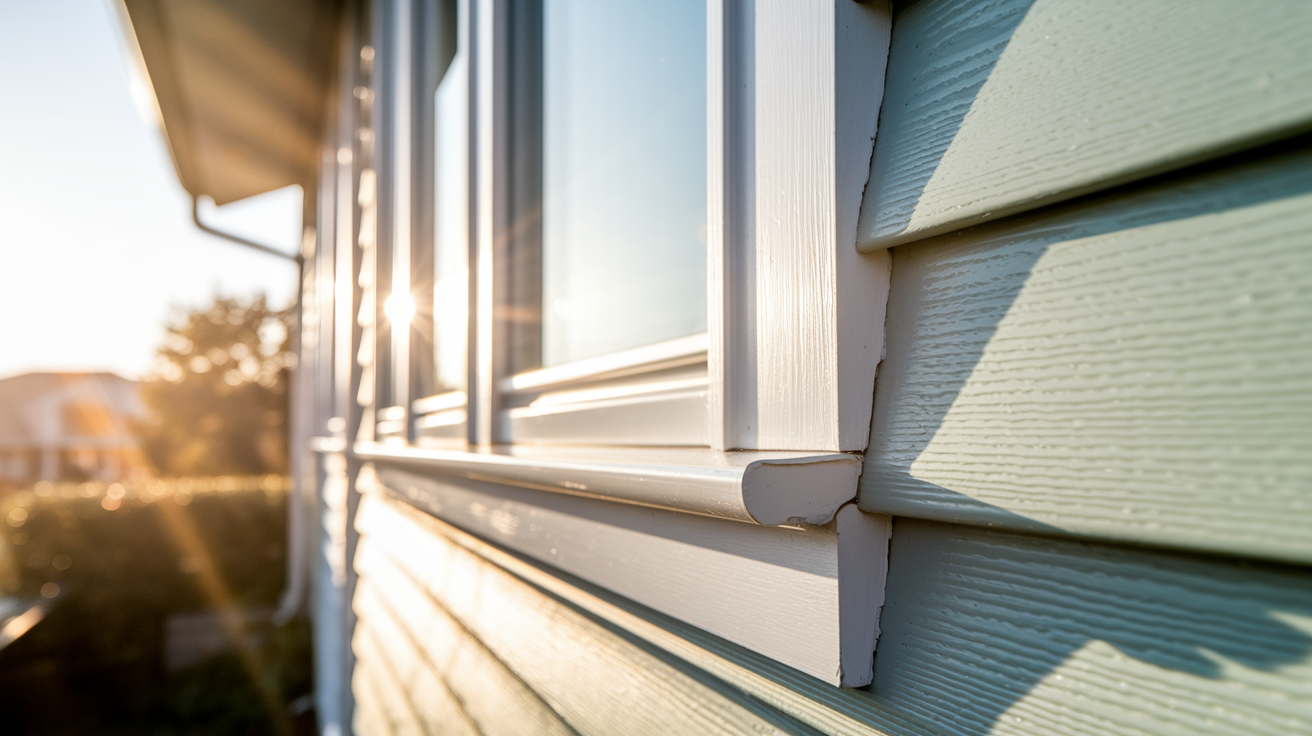
UV radiation from direct sunlight breaks down polymer chains in standard caulk, causing chemical changes shifting white pigments toward yellow and brown. Exterior applications face this daily, especially on south-facing walls, around windows and doors with full sun, and on trim details not shaded by roof overhangs. Specialized formulas resist this through UV inhibitors and polymer chemistries that don’t degrade under constant radiation.
Polyurethane options like DAP Polyurethane Construction Sealant stay UV-resistant without yellowing even after years of direct sun. The urethane polymer structure handles temperature extremes from freezing winters to summer heat above 150°F on dark surfaces, remains highly flexible like silicone so it moves with expanding and contracting joints, and accepts paint well when you want to match trim colors. DAP’s formula comes in black to blend with roof shingles, but you can paint it white or any color after it cures. Full cure takes 4 to 7 days, though in real-world testing it often dries faster depending on temperature and humidity.
GE Advanced Silicone 2 provides 40 percent more flexibility than comparable exterior caulks, letting it handle joint movement from temperature swings without cracking or pulling away from surfaces. It includes UV-resistant chemistry preventing yellowing, becomes water-resistant in 30 minutes for quick weather protection, stays mold and mildew resistant even in shaded areas where moisture lingers, and cures fully within 24 hours.
Hybrid exterior formulas balance the adhesion strength needed for different materials (wood siding to brick foundation, vinyl window to fiber cement trim, aluminum flashing to wood fascia) with weather resistance and color stability. These stick better than cheap acrylic latex and flex better too, preventing the cracking and shrinkage exposing joints to water. They generally cost more than basic exterior latex but deliver significantly longer service life in direct sun.
Quality UV-resistant caulk typically lasts 5 to 10 years on exterior applications, with premium products like polyurethane and silicone reaching 10 to 15 years or longer when properly applied on surfaces not experiencing extreme movement. Cheaper products without UV protection often show visible yellowing within 2 to 3 years and require replacement by year 5.
Surface Preparation and Application Techniques to Prevent Yellowing

Surface prep makes the difference between caulk staying white for years and caulk that yellows, cracks, or falls out within months. Start by removing all old caulk completely. Use a utility knife to cut along both edges of the old bead, creating clean separation. Pull out the old material with a putty knife or pliers, getting down to bare substrate. Caulking over old caulk traps moisture between layers, creates weak adhesion failing quickly, and doubles the thickness where movement stress concentrates.
Clean surfaces thoroughly with the appropriate solvent for your substrate type. Soap and water work for most interior surfaces. Denatured alcohol removes oils and residues from non-porous materials like tile and glass. Paint thinner or mineral spirits clean concrete and masonry. Make sure surfaces are completely dry unless you’re using a wet-surface formula specifically designed for damp application. Verify the temperature falls within the manufacturer’s specified application range, typically 40 to 80 degrees, though some products work down to -20°F and others function above 100°F.
Proper caulk gun technique starts with cutting the tip at the correct angle, usually 45 degrees, and sizing the opening for your gap width. Bigger gaps need larger openings, but start smaller because you can always cut more off. Maintain consistent pressure throughout each bead, avoiding stop-start rhythm creating thick and thin spots. Push the gun forward rather than pulling it backward when possible, forcing material deep into the joint instead of just laying it on the surface. Tool the bead within working time using a wet finger, plastic shaping tool, or back of a spoon to create a smooth, slightly concave finish that sheds water.
Critical details preventing yellowing and premature failure:
Use foam backer rod for gaps wider than 1/4 inch. Avoid overfilling joints, which traps moisture behind the caulk and creates thick sections curing unevenly. Select caulk specifically compatible with your substrate materials, distinguishing between porous surfaces like wood and concrete versus non-porous materials like glass, metal, and ceramic tile. Check manufacturer temperature requirements before starting. Ensure proper ventilation during application and curing to prevent chemical-related discoloration from trapped solvents. Allow full cure time before exposing caulk to moisture, traffic, or paint. Never apply new caulk over old material.
Common mistakes contribute directly to yellowing. Applying caulk over dirty or contaminated surfaces prevents proper adhesion, letting moisture seep behind the bead where it enables mold growth and chemical degradation. Trapping moisture behind caulk by sealing before surfaces fully dry creates constant dampness breaking down even quality formulas over time. Insufficient curing time before water exposure or painting doesn’t allow the polymer structure to fully develop, leaving it vulnerable to damage and discoloration. Using the wrong caulk type for your substrate or environmental conditions guarantees poor performance regardless of technique. Inadequate surface prep allows weak adhesion failing within months instead of years.
New construction presents special timing considerations because structural settling creates gaps and stresses caulk during the first year. Replace all caulk after the first year of settling, then follow a 5-year recaulking schedule for optimal long-term performance.
If yellowing occurs despite proper product selection, diagnose the underlying cause before recaulking. You might’ve chosen the wrong caulk type for that location. Moisture intrusion behind the seal often indicates bigger structural problems like leaking pipes, roof issues, or foundation cracks needing repair before new caulk will perform correctly. Mold and mildew growth signal inadequate ventilation or ongoing moisture problems requiring environmental correction. Sometimes the caulk simply reached end of life through normal age-related breakdown, requiring removal and replacement with superior non-yellowing formula.
How Long Non-Yellowing Caulk Lasts and When to Recaulk

Actual caulk lifespan varies widely based on formula type, application location, environmental exposure, and installation quality. A tube of cheap latex might yellow and crack within 2 years on an exterior window, while premium silicone in a protected bathroom could stay white and flexible for 20 years or more.
Premium silicone formulas last 10 to 20 years in protected indoor locations like bathroom tub surrounds and kitchen backsplashes where they’re not exposed to direct sunlight. Exterior silicone facing sun, rain, and temperature extremes typically delivers 10 to 15 years before showing deterioration. Hybrids generally run 7 to 15 years depending on environmental stress, with better-quality products like those meeting ASTM standards reaching the higher end. Standard acrylic latex lasts 3 to 7 years in protected interior locations but often fails faster on exterior applications or high-moisture areas. Manufacturer durability ratings provide useful benchmarks. Alex Painter’s Caulk claims 25 years, DAP offers lifetime guarantees on some products, and these ratings reflect genuine confidence in color stability and physical durability when properly applied.
Inspect caulked joints at least annually, checking more frequently in problem areas prone to movement or moisture. Signs that recaulking is needed include visible cracking along the bead or at the substrate interface, shrinkage opening gaps at either edge, mold or mildew growth on or around the caulk surface, loss of adhesion showing as separation from one or both surfaces, and visible yellowing or brown discoloration making white caulk look dirty even after cleaning.
Several factors extend caulk life significantly. Proper initial application with complete old caulk removal, clean dry surfaces, appropriate product selection, and correct tooling creates optimal conditions for long-term performance. Regular cleaning prevents soap scum, hard water deposits, and organic material from accumulating where they trap moisture and feed mold. Good ventilation reduces humidity levels accelerating degradation in moisture-sensitive formulas. Choosing the appropriate formula for each location means using silicone in wet areas, hybrids for exterior applications, and premium latex for interior trim instead of trying to use one product everywhere.
New homes need caulk replacement after the first year because foundations settle, framing lumber dries and shrinks, and the entire structure finds its equilibrium. This settling creates gaps and stresses the original caulk wasn’t designed to handle long-term. After that first-year replacement, follow a 5-year inspection and maintenance schedule for most applications, recaulking when you see deterioration rather than waiting for complete failure.
Special Considerations for High-Moisture and Temperature-Extreme Areas

Bathrooms, basements, below-grade exterior walls, and crawl space access points create high-moisture challenges where standard caulk fails quickly through constant water exposure, elevated humidity above 70%, limited airflow preventing drying between wet cycles, and cool surface temperatures encouraging condensation. Attics, exterior walls, foundation joints, and anywhere structures experience seasonal temperature swings from below freezing to summer heat above 100°F create movement and stress cracking rigid formulas and yellowing flexible ones not designed for extreme conditions. These challenging environments demand products handling both non-yellowing performance and specialized physical properties.
High-moisture solutions need the ability to bond to damp or wet surfaces, waterproof performance from the moment of application, resistance to mold and mildew growth, and polymer flexibility that doesn’t degrade from constant hydration cycles. AMP Kitchen and Bath Sealant handles damp and wet surface application, which matters when you’re sealing an active leak or working in a constantly humid basement. It dries to touch in 30 minutes even with moisture present, provides 100% waterproof protection, and maintains color stability despite constant exposure. Lexel Adhesive Caulk becomes waterproof immediately upon application, works on wet surfaces for emergency roof repairs and foundation waterproofing, never freezes even when stored in unheated sheds, but requires 30 full days for complete curing so plan accordingly.
Temperature-flexible formulas accommodate extreme joint movement through expansion and contraction cycles without cracking, losing adhesion, or developing stress-related yellowing from repeated polymer damage. Big Stretch Sealant stretches up to 500 percent of its original size without cracking, making it ideal for foundation cracks opening and closing with seasonal freeze-thaw cycles, gaps between different building materials expanding at different rates, and any location where temperature changes exceed 100 degrees between summer and winter extremes. This extreme flexibility prevents the micro-cracks where moisture penetrates and UV radiation causes yellowing in rigid formulas that can’t handle movement.
The relationship between flexibility and color retention runs deeper than just preventing cracks. More flexible caulks distribute stress across the entire bead instead of concentrating it at adhesion points or the center of the span. This even stress distribution prevents the localized damage where chemical breakdown starts, oxidation accelerates, and yellowing appears first. Rigid formulas develop stress fractures at the microscopic level even before visible cracks appear, and these damaged areas yellow faster than unstressed material.
Support long-term caulk performance in extreme environments through proper ventilation and dehumidification strategies. Run bathroom exhaust fans during and after showers. Install dehumidifiers in damp basements. Seal major air leaks before caulking finish details so temperature-driven air movement doesn’t stress the caulk from behind. Address the root causes of moisture problems, ice damming, and foundation movement instead of just covering symptoms with caulk.
Maintenance and Cleaning Methods That Preserve Caulk Color
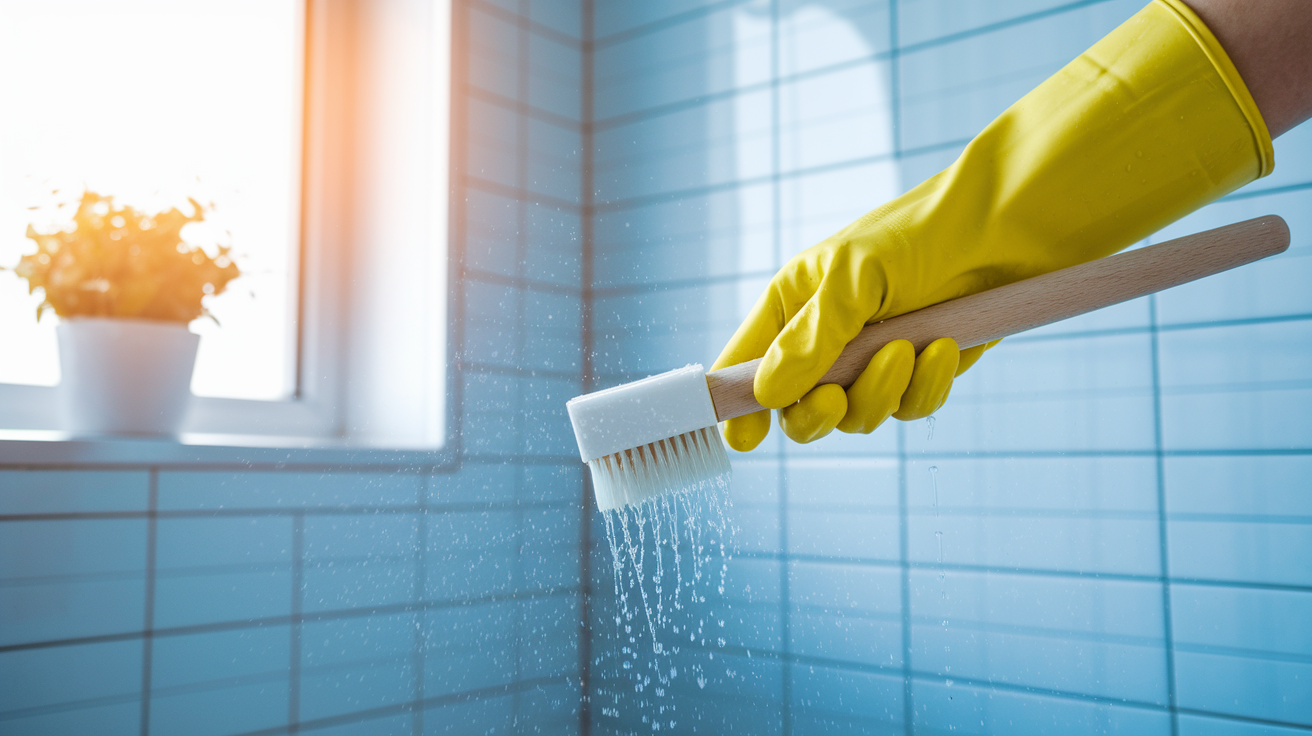
Non-yellowing caulk maintains its white finish through years of normal use, but surface contamination from mold, mildew, soap scum, hard water deposits, and accumulated grime creates discoloration making even premium products look yellowed or brown. The good news: most surface staining cleans off easily with the right methods, revealing the original white caulk underneath.
Start with the gentlest effective method. Mix a few drops of liquid dish soap in warm water, apply with a soft brush or non-abrasive sponge, scrub gently along the caulk line, and rinse thoroughly. This removes soap scum, light mildew, and general dirt without damaging the caulk surface. Avoid abrasive scrubbers like steel wool, harsh scouring pads, or stiff brushes that scratch the surface and create rough texture where dirt embeds more deeply.
Diluted bleach solutions work on bleach-resistant caulk when gentler cleaning doesn’t remove stubborn mold and mildew stains. Mix one part household bleach with four parts water, apply carefully to the stained caulk, let it sit for 5 to 10 minutes, scrub gently, and rinse thoroughly. Check the product label to confirm your specific caulk is bleach-safe because some formulas discolor or degrade from bleach exposure. Hydrogen peroxide offers a gentler alternative with similar mold-killing power but less risk of damage. Apply 3% hydrogen peroxide directly from the bottle, let it fizz on the mold for 10 minutes, scrub, and rinse. Specialized mildew removers designed for bathroom and kitchen use provide another option for persistent staining without harsh chemical concerns.
Develop preventive maintenance habits reducing cleaning frequency and extending the time your white caulk stays looking fresh:
Wipe down shower walls, tub surrounds, and sink areas after each use to remove soap residue and standing water. Ensure bathroom and kitchen ventilation through exhaust fans, open windows, or dehumidifiers. Address plumbing leaks and moisture problems immediately instead of letting them create ongoing damp conditions. Inspect caulked joints regularly for early signs of mold growth and clean promptly before staining becomes severe. Avoid harsh chemical cleaners, abrasive compounds, and products not specifically labeled as safe for caulked surfaces.
Antimicrobial caulk formulas like Red Devil Lifetime Ultra 230 actively resist mold and mildew growth through chemical additives preventing microorganisms from colonizing the surface. These reduce maintenance requirements because mold doesn’t establish colonies as readily, meaning less frequent cleaning and longer intervals between deep cleaning sessions that eventually wear down any caulk surface.
Understanding Caulk Performance Standards and Certifications

Marketing claims about non-yellowing properties and long-term durability sound impressive but lack independent verification. Industry performance standards and third-party certifications provide objective evidence that a caulk formula actually delivers the color stability and physical properties claimed on the label.
ASTM International develops standardized testing methods manufacturers use to verify their products meet specific performance criteria. ASTM C834 covers painter’s caulk and specifies requirements for adhesion, flexibility, stain resistance, dirt pickup, crack bridging, and long-term durability directly affecting whether white caulk stays white over years of service. Alex Painter’s Caulk meets ASTM C834 requirements and backs this with a 25-year durability rating, reflecting tested performance rather than marketing optimism. ASTM C920 applies to elastomeric joint sealants used in more demanding applications including exterior joints, high-movement locations, and waterproofing scenarios. DAP Gutter and Flashing Sealant meets ASTM C920 with a lifetime durability guarantee, providing documented evidence of extreme performance.
Indoor air quality certifications and low-VOC (volatile organic compound) formulas indicate cleaner chemical composition often correlating with superior non-yellowing performance. Products meeting environmental standards typically use more advanced chemistry with fewer cheap fillers, solvents, and additives prone to oxidation and yellowing. Low-odor products like GE Supreme Silicone signal cleaner formulations because the strong chemical smell in cheap caulk comes from high solvent content and off-gassing from additives contributing to yellowing as they break down over time.
Warranty coverage reflects manufacturer confidence in their product’s longevity and color stability. Companies offering lifetime guarantees or multi-decade durability ratings put their reputation and financial liability behind those claims, suggesting genuine long-term testing and quality control rather than hopeful estimates. DAP’s lifetime guarantee and Alex’s 25-year rating represent superior products compared to generic caulks with no stated warranty or vague “satisfaction guaranteed” claims without specific timeframes.
Check product labels, packaging, and technical data sheets (available on manufacturer websites) for these certifications before purchasing. Products meeting recognized standards cost slightly more than generic alternatives but deliver documented performance justifying the price difference through extended service life and maintained appearance.
Final Words
Your white caulk doesn’t have to turn yellow. Stick with proven formulas like 100% silicone for wet areas and premium latex for paintable trim.
Match your caulk to the job. Bathrooms get silicone. Baseboards get hybrid or acrylic latex.
Prep surfaces clean and dry, tool the bead smooth, and let it cure fully.
The best caulk that won’t yellow combines smart chemistry with proper installation. You’ve got the product names, the application steps, and the guardrails.
Now go seal those gaps and keep them looking clean for years.
FAQ
What kind of caulk does not turn yellow?
100% silicone caulk does not turn yellow because it contains built-in UV inhibitors and resists oxidation that causes discoloration. Polyurethane formulas also maintain color stability despite sun exposure and temperature changes. Premium hybrid caulks combining silicone and acrylic technologies offer excellent yellowing resistance while remaining paintable.
How to stop caulk from yellowing?
You can stop caulk from yellowing by choosing UV-resistant silicone or polyurethane formulas instead of cheap acrylic latex products. Ensure proper ventilation during curing, clean surfaces regularly to prevent mold staining, and avoid moisture-trapping application errors. Select products specifically labeled as non-yellowing with mildew resistance.
What sealant doesn’t go yellow?
Pure silicone sealants don’t go yellow because they resist UV radiation and oxidation better than other formulas. Polyurethane sealants maintain white appearance even with direct sunlight exposure. High-quality hybrid products with advanced polymer technology and UV stabilizers also prevent yellowing in challenging environments.
What is the best caulk to stay white?
GE Supreme Silicone is the best caulk to stay white, offering mold resistance, low-odor formula, and superior UV protection for bathrooms and kitchens. For paintable applications on trim, Alex Painter’s Caulk provides 25-year durability at budget price. Gorilla Waterproof Caulk excels in wet environments without yellowing, shrinking, or cracking.
Can acrylic latex caulk resist yellowing?
Premium acrylic latex caulk can resist yellowing if it contains UV inhibitors and advanced polymer technology, but cheap formulas yellow quickly. Hybrid acrylic-latex products perform better than basic latex versions. For best color stability, silicone or polyurethane formulas outperform standard acrylic latex in moisture and sunlight exposure.
How long does non-yellowing caulk last?
Non-yellowing silicone caulk lasts 10 to 20 years in protected areas with proper application and maintenance. Premium products like Alex Painter’s Caulk carry 25-year durability ratings, while some manufacturers offer lifetime guarantees. Hybrid formulas typically last 7 to 15 years, significantly longer than basic acrylic latex.
Should I use silicone or acrylic caulk for bathrooms?
You should use 100% silicone caulk for bathrooms because it resists moisture, mold, and yellowing better than acrylic formulas. Silicone remains waterproof and flexible in high-humidity environments without breaking down. Products like GE Supreme Silicone and Gorilla Waterproof Caulk provide superior long-term performance around tubs and showers.
Can you paint over non-yellowing caulk?
You can paint over non-yellowing hybrid and acrylic latex caulks like DAP Dynaflex 230 and Alex Painter’s Caulk after proper dry time. Pure silicone caulk is not paintable, though some formulas come in clear or white finishes. Polyurethane caulks accept paint well but may require multiple coats for coverage.
What causes white caulk to turn yellow over time?
White caulk turns yellow over time from UV radiation breaking down polymer chains, oil-based additives oxidizing, and mold growth creating surface stains. Cheap acrylic latex formulas lacking UV inhibitors yellow fastest. Moisture infiltration behind caulk accelerates discoloration, especially in poorly ventilated bathrooms and kitchens.
Do I need to remove old caulk before applying new?
You need to remove old caulk completely before applying new because caulk won’t adhere properly to existing material. Use a utility knife to cut along both edges, then pull out with putty knife or pliers. Clean surfaces thoroughly and let dry completely for best adhesion and longest-lasting results.
What’s the difference between dry time and cure time for caulk?
Dry time means the caulk surface feels dry to touch, typically 30 minutes to 2 hours, allowing gentle handling. Cure time is when caulk reaches full strength and water resistance, ranging from 24 hours to 7 days depending on formula. Never expose caulk to moisture before complete curing.
Can you apply caulk in cold weather?
You can apply certain caulks in cold weather if they’re rated for low-temperature application. Some products work at temperatures as low as minus 20 degrees Fahrenheit, while most require 40 to 80 degrees. Red Devil 100% Silicone applies at freezing temperatures, making it suitable for winter exterior projects.