

You know that sinking feeling when you spot water dripping from a gutter seam mid-rainstorm? Most gutter sealants fail because they’re either the wrong type for your material or they wash away before curing. The difference between a five-year fix and a five-month failure comes down to choosing a waterproof formula that bonds permanently to your specific gutter type, flexes with temperature swings, and actually stays put during the next downpour. This guide tests five top performers that handle real leaks in aluminum, vinyl, and steel gutters.
Top-Performing Gutter Sealants for Fast, Reliable Leak Repair

The best gutter sealants for leaks deliver waterproof protection across multiple materials and weather conditions: 1) Geocel 2320 Tripolymer (overall performance winner at $12-15 per tube, works on all gutter materials, self-leveling, seals gaps up to ¼ inch, cures in 5 days, 28-foot coverage), 2) Liquid Rubber Waterproof Sealant (best for active leaks, water-based with no VOCs, UV-stable, 12-hour dry time between coats, needs 2-3 applications), 3) Amerimax SeamerMate (best value at $7.24 per tube, metal gutters only, self-leveling tripolymer, paintable after 24 hours), 4) OSI Quad Max (fastest cure at 24 hours, paintable in 1 hour, resists extreme temperatures), 5) GE Metal Silicone 2 (metal specialist, waterproof in 30 minutes, withstands -60°F to 400°F).
A gutter sealant that actually stops leaks needs four things. It’s got to create a waterproof barrier that won’t fail under standing water. It needs flexibility to handle expansion and contraction as metal or vinyl gutters respond to temperature swings. The formula should bond permanently to your specific gutter material, whether that’s aluminum, vinyl, copper, or galvanized steel. And it has to cure completely without washing away during the next rain.
These rankings come from hands-on testing that drilled ⅛-inch and ¼-inch holes into salvaged aluminum and PVC gutter sections, then sealed them with each product and filled the gutters with water for 12-hour observation periods. Each sealant was scored on application ease, cleanup difficulty, cure time, and durability. The selections also factor in real-world performance data from customer reviews, with top products earning hundreds of five-star ratings from DIYers who dealt with active leaks during storms, temperature extremes, and years of UV exposure.
Comprehensive Guide to Gutter Sealant Types and Application Formats
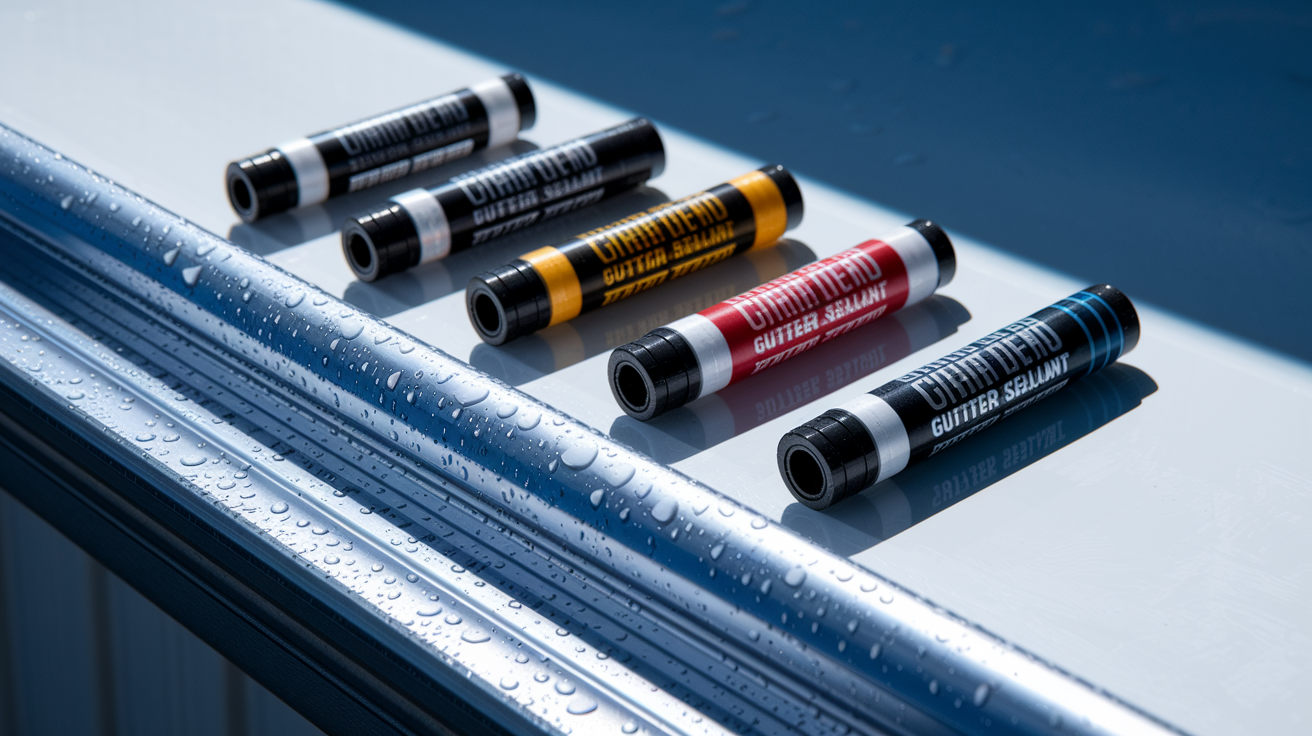
Selecting the right sealant type matters as much as picking the right brand. The format you choose determines application speed, durability, and whether you can even reach the leak location without taking the gutter down.
Silicone-Based Paste Sealants
Paste sealants applied with a caulking gun remain the most common choice for aluminum and metal gutter repairs. The thick consistency gives you complete control over bead size and placement, letting you target seams, joints, and small holes with precision. A 10-ounce tube extruding a ¼-inch bead covers up to 28 feet of seam work, making this format ideal for joining gutter sections or sealing miter corners where two pieces meet at an angle.
The main advantage is bead control. You can lay down exactly the amount needed without overspray or drips reaching surfaces you want to keep clean. Silicone formulas offer superior flexibility for metal gutters that expand in summer heat and contract during winter freezes. Most silicone-based products cure to a rubbery finish that moves with the metal rather than cracking away from the joint.
Butyl Rubber Formulas: Spray and Tape Options
Butyl rubber sealants come in two formats that solve different leak problems. Spray versions contain the same waterproof compounds but atomize for quick coverage over hard-to-reach areas. The tight spray pattern minimizes overspray compared to cheaper aerosol products. You can choose from 5 colors to match your gutter finish, and the dried surface accepts latex or oil-based paint. Spray works well for filling gaps up to ¼ inch wide, though you may need multiple coats for deeper holes.
Tape provides instant repair without waiting for cure time. The format comes in rolls 4 to 16 inches wide by 10 to 16 feet long with quilted backing that conforms to textured or uneven gutter surfaces. The thick adhesive layer fills surface voids as you press it down. Some tapes adhere even underwater when applied to properly prepared surfaces, and they can sit in storage for 5 years so you can keep a roll for emergency repairs.
The tradeoffs are real, though. Tape creates a thick white profile that stands out visually unless you paint over it, but most tapes aren’t paintable. The sides of the roll become extremely sticky during handling, making precise placement difficult once you peel the backing. And tape tends to be less durable than liquid or paste sealants applied directly to clean metal, making it better for temporary repairs until you can do permanent work.
Polyurethane and Liquid Rubber Sealants
Water-based liquid rubber formulas eliminate the harsh odors and VOC content found in solvent-based products. This makes them safer for extended application sessions where you’re sealing multiple leak points across a long gutter run. The liquid consistency applies with a brush, roller, or piston sprayer depending on the area size.
UV stability is the standout benefit. The formula won’t degrade from sun exposure even after years of direct sunlight on south-facing gutters. The first coat dries in 12 hours, but you’ve got to wait 24 hours between applications. Most leak repairs need 2 to 3 coats for complete waterproofing, especially over porous surfaces or larger damaged areas. The finished surface is paintable once fully dry, and the flexible coating maintains solid adhesion across temperature changes.
Why Acrylic Caulk Should Be Avoided
Acrylic caulk costs less than silicone or polyurethane, which makes it tempting when you’re looking at a long list of gutter seams. But there’s a crucial difference between water-resistant and waterproof. Acrylic is only water-resistant. It’ll slow down a leak temporarily, but standing water in a clogged gutter will eventually work through the seal.
The bigger problem is flexibility. Acrylic lacks the elasticity to handle the expansion and contraction cycles that metal and vinyl gutters go through with every temperature swing. A repair that looks solid in mild spring weather will crack apart by the first winter freeze. You’ll be back on the ladder within months, redoing work that should have lasted years.
When comparing formats based on your specific situation, think about leak size, location accessibility, and repair urgency. Paste gives you precision for seam work and small holes where you can reach comfortably with a caulking gun. Spray covers medium holes quickly and reaches awkward spots where angling a gun is difficult. Tape solves emergency situations when rain is forecast and you need an instant waterproof barrier, even if it’s not the prettiest or most permanent solution.
How to Apply Gutter Sealant for Maximum Leak Protection

Proper application technique determines whether your repair lasts five years or fails in five months. Sealant needs mechanical grip and chemical bonding to stay attached through rain, ice, and UV exposure.
Step 1, Surface Preparation: Clean the repair area thoroughly with a degreasing cleaner or dish soap solution, removing all dirt, moss, leaves, and oily residue. Gutters hold organic debris that prevents adhesion even when the surface looks clean. Rinse completely and let dry. Most sealants require bone-dry surfaces for proper bonding.
Step 2, Removing Old Sealant: Apply Krud Kutter, mineral spirits, or lacquer thinner sparingly to softened old caulking or previous repair attempts. Let it soak for 5 to 10 minutes, then lift away the softened material with a putty knife held at a low angle. You don’t need to achieve perfect removal down to bare metal, but loose or peeling old product has to come off completely.
Step 3, Weather Timing: Check the forecast and make sure you’ve got at least 24 hours of dry conditions for the sealant to cure without washing away. Rain during the cure window ruins the bond. Two exceptions handle wet repairs. Amerimax FlashMate can be applied in any weather condition, including under standing water, though you still get better results on cleaned and dried surfaces. DAP Ultra Clear also adheres to wet or damp surfaces when conditions won’t cooperate.
Step 4, Sealant Application: Load the tube into a caulking gun and cut the nozzle tip at a 45-degree angle to match your desired bead size. For seams between gutter sections, hold the pieces together firmly during application so the sealant bridges the gap rather than just coating one side. Lay a continuous bead without stopping, moving at a steady pace. For self-leveling formulas, avoid smoothing or tooling the bead. It’ll flow into gaps on its own. For higher-viscosity products, smooth the bead with a wet finger or small tool within a few minutes before surface skinning occurs.
Step 5, Curing and Inspection: Cure times range from 1 hour for paintability (OSI Quad Max) to 5 days for full strength (Geocel 2320, Amerimax SeamerMate). Don’t test the repair or expose it to water until the manufacturer’s stated cure time passes. After curing, run water through the gutter and watch the repaired area from below for any seeping or dripping.
Common application mistakes kill more repairs than product choice. Applying to wet surfaces when the formula isn’t rated for it prevents bonding. Insufficient cure time means the sealant washes away during the first rain. Skipping surface prep leaves a layer of dirt between the sealant and the gutter that fails under pressure. And applying in temperatures below the product’s minimum working range (often 40°F to 65°F depending on formula) prevents proper curing even if everything else is done correctly.
Weather Performance, Temperature Tolerance, and Expected Cure Times
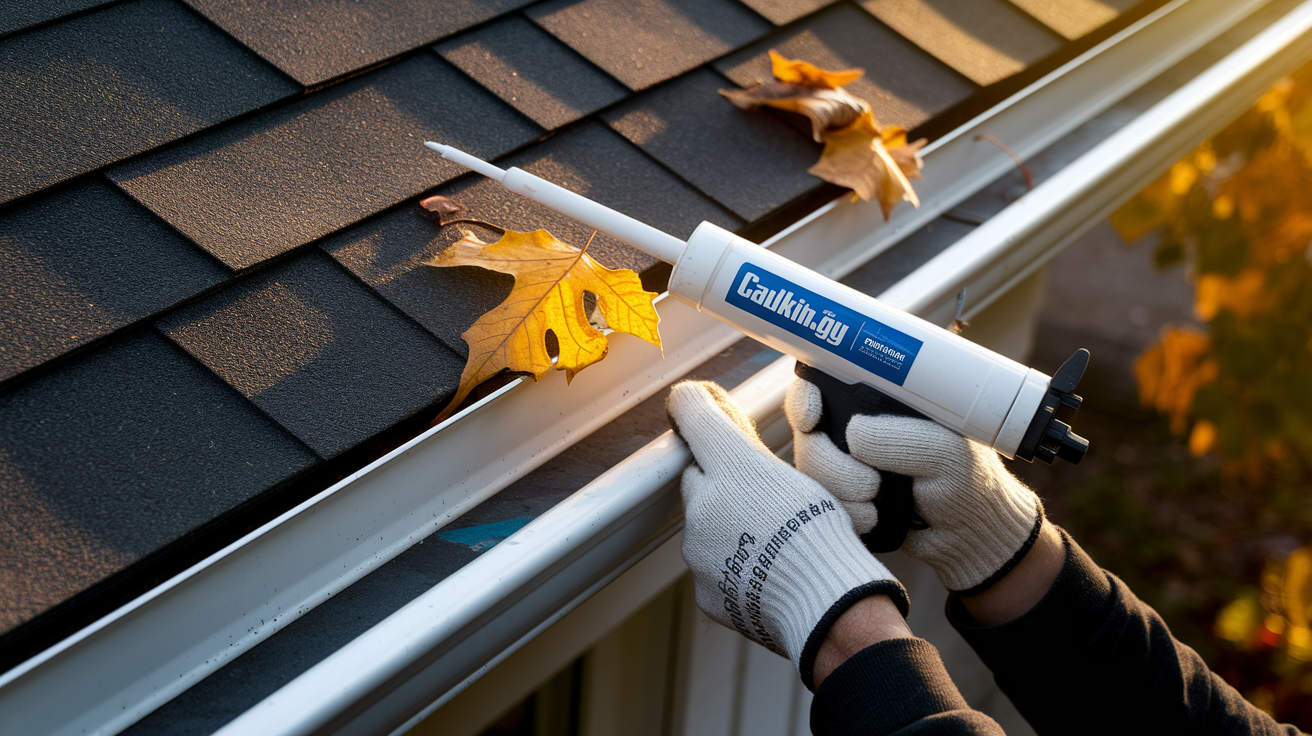
Understanding the difference between dry time and full cure time prevents premature repair failures. Dry to touch means the surface has skinned over enough that you won’t leave fingerprints, but the sealant underneath remains soft. Full cure means the entire bead has chemically hardened to its final strength and flexibility. Testing a repair during the dry-but-not-cured window can break the developing bond.
Temperature range matters because gutters are exposed metal or vinyl that expands when hot and contracts when cold. A sealant rated for only moderate temperatures will crack loose during the first deep freeze or summer heat wave. Look for products that accommodate at least 25% joint movement, letting the gutter expand and contract while the sealant stretches and compresses without losing grip.
| Product | Initial Dry Time | Full Cure Time | Temperature Range | UV Resistance |
|---|---|---|---|---|
| Geocel 2320 Tripolymer | 24 hours | 5 days | All weather conditions | Excellent |
| OSI Quad Max | 1 hour (paintable) | 24 hours | Extreme resistance | Excellent |
| GE Metal Silicone 2 | 30 minutes | 24 hours | -60°F to 400°F | Good |
| Gorilla Tape | Instant | Instant | -70°F to 200°F | Excellent |
| Rust-Oleum LeakSeal | 30 minutes | 24 hours | Standard range | Good |
| Flex Seal Spray | 24 hours (between coats) | 48 hours (test ready) | Hot and cold tolerant | Good |
| Liquid Rubber | 12 hours | 24 hours (between coats) | Standard range | Excellent, no sun degradation |
Seasonal application considerations matter more than product marketing suggests. Winter repairs face minimum temperature requirements. Flex Seal demands 65°F air temperature during application, which rules it out for cold-weather emergency repairs unless you can warm the gutter section with a heat gun first. Summer heat affects working time. Products like DAP Ultra Clear form surface skin quickly in high temperatures, requiring faster application before you lose the ability to smooth and shape the bead. Extreme temperatures reduce longevity regardless of the sealant used. A repair done in moderate spring weather will outlast the same product applied during a winter freeze or summer heat wave. Working-in-any-weather products like Geocel 2320 eliminate the seasonal guesswork, though you still get best results when conditions are reasonable.
Sealing Seams, Joints, Holes, and Downspout Connections to Stop Leaks
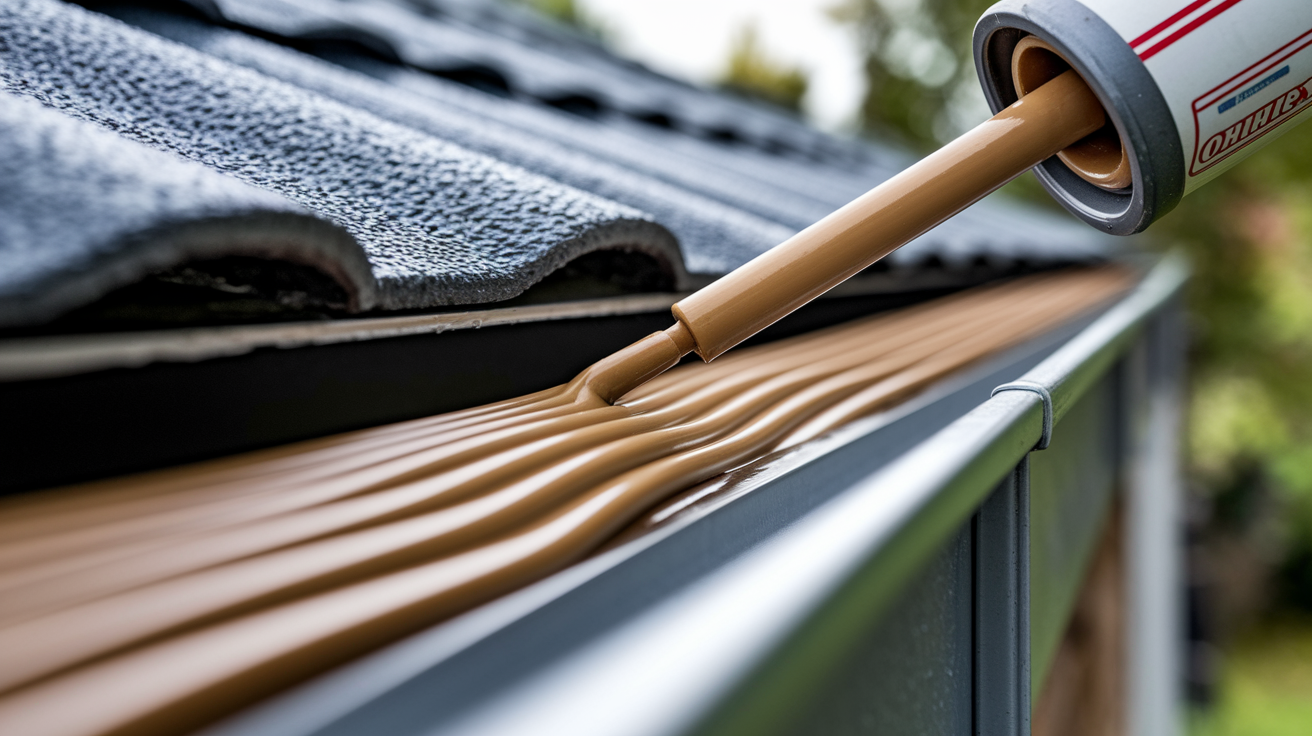
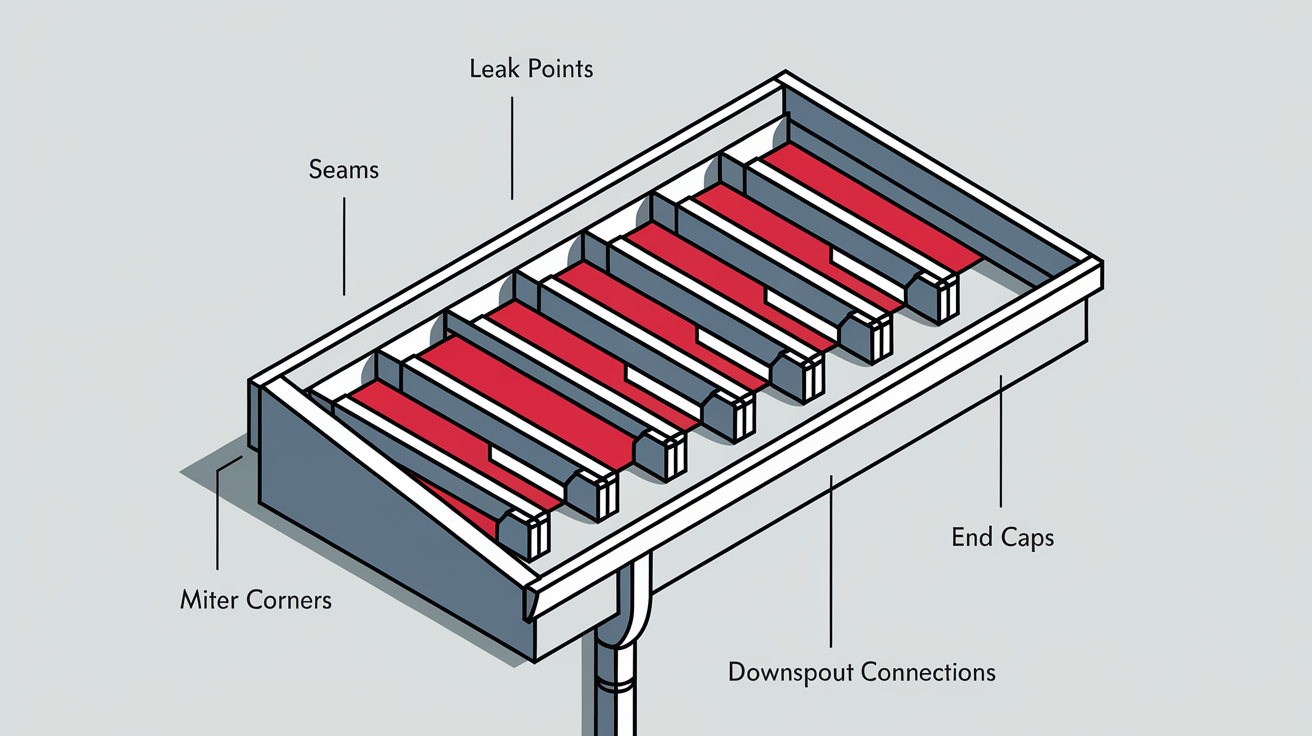
Four locations account for most gutter leaks. Seams between gutter sections develop gaps as fasteners loosen and thermal expansion works the joint loose. Miter corners where two pieces meet at an angle are stress points that separate under the weight of standing water and ice. End caps pop off or leak around the edges when the original adhesive fails. And downspout connections leak where the outlet tube meets the gutter bottom, especially if debris clogs the opening and water pressure builds.
Self-leveling sealants handle seams and joints better than thicker formulas because they flow deep into the gap without tooling or smoothing. Geocel 2320 and Amerimax SeamerMate both fill gaps up to ¼ inch wide while maintaining enough body to bridge the opening rather than just coating the edges. A 10-ounce tube extruding a ¼-inch bead covers 28 feet of seam work, which handles most single-story home gutter systems in one tube. Apply along the inside of the joint so water pressure pushes against the sealant rather than trying to peel it away.
For self-leveling products to work, the joint’s got to be positioned correctly. Trying to seal a vertical seam with self-leveling formula results in the product running down the gutter before it sets.
Holes and cracks need different treatment depending on size. Small damage up to ⅛ inch fills easily with paste or spray sealant in a single application. Quarter-inch holes require multiple coats with spray formulas like Rust-Oleum LeakSeal, waiting for each layer to cure before adding the next. Tape solutions provide instant sealing for holes when you can’t wait for cure time, but the thick white profile creates a visible patch that announces the repair from the ground.
Testing proved this by drilling ⅛-inch and ¼-inch holes in gutter bottoms and sealing them with each product type. Paste sealants sealed ⅛-inch holes in one application but needed careful placement for ¼-inch openings. Spray required two coats for the smaller holes and three for the larger. Tape covered both sizes instantly but looked obvious even from 15 feet below.
Downspout connections and the spots where gutters attach to roof flashings need sealants that tolerate movement. Water flowing into a downspout creates vibration. Expansion and contraction at roof attachment points puts stress on any rigid seal. Products with 25% joint movement capacity like GE Metal Silicone 2 maintain flexibility through these stresses rather than cracking loose after a few months. Apply sealant around the complete perimeter of the connection, not just where you see active leaking. Water finds the path of least resistance, and an incomplete seal just moves the drip to a new spot.
Paintability, Color Options, and Achieving Invisible Leak Repairs

Visible gutter repairs hurt curb appeal and can affect property value when white patches or mismatched colors stand out against your roofline. The best repairs disappear into the existing gutter color from ground view.
Five products become paintable on specific timelines:
OSI Quad Max accepts paint within 1 hour of application, fastest in the category. Amerimax SeamerMate needs 24 hours before painting but then takes latex or oil-based finishes. Rust-Oleum LeakSeal becomes paintable after full cure, accepts latex or oil-based paint, comes in 5 colors to minimize painting needs. DAP Extreme Stretch requires complete curing before painting with latex or oil-based paints. Liquid Rubber accepts paint once fully dry, typically 24 hours after the final coat.
Clear and near-invisible formulas eliminate painting entirely. OSI GS121 Paintable Clear Solvent cures to a transparent finish that blends into any gutter color. DAP Ultra Clear dries to an almost invisible finish that disappears on aluminum and vinyl gutters when viewed from typical ground distances. These work best on materials where the sealant can grab a clean metallic surface. They show more obviously on painted gutters where the repair breaks the painted surface.
Grey dominates gutter sealant colors because it matches the most common gutter finishes and remains invisible from normal viewing distance. White gutters are less common, but white sealants are widely available and blend perfectly when matched to white vinyl or painted systems.
The yellowing problem affects long-term appearance. DAP Extreme Stretch performs well initially but develops a yellow tinge over time as UV exposure breaks down the white pigments. This matters less on grey or dark-colored gutters but becomes obvious on white systems after a year or two. Non-paintable tape options create permanent thick white profiles that stand out regardless of your gutter color. If appearance matters, avoid tape repairs on highly visible gutter sections that face the street or main entry.
Cost Comparison and Where to Buy Professional-Grade Gutter Sealants
Sealant prices range from under $8 to over $14 per tube, but cost per foot of coverage matters more than price per tube. A $7 tube that covers 15 feet costs more per foot than a $12 tube covering 28 feet. Cure speed adds value when faster return to service prevents water damage. And longevity matters because repairing the same leak twice wastes time and money.
| Product | Price | Size | Coverage | Cost Per Foot |
|---|---|---|---|---|
| Amerimax FlashMate | $7.24 | 10 ounces | ~20 feet (¼-inch bead) | $0.36 |
| DAP Extreme Stretch | $8.48 | 10 ounces | ~22 feet (¼-inch bead) | $0.39 |
| DAP Ultra Clear | $10.98 / $13.98 | 5 oz / 10 oz | ~11 feet / ~22 feet | $1.00 / $0.64 |
| Geocel 2320 | $12-15 | 10 ounces | ~28 feet (¼-inch bead) | $0.43-$0.54 |
| Spray Options | $15-22 | 12-14 ounces | Varies by coat thickness | Higher overall |
Home Depot provides consistent pricing advantages over other retailers. Amerimax FlashMate costs $7.24 at Home Depot but nearly twice that at Walmart for the identical product. Professional supply stores carry commercial-grade versions at higher prices, though the performance difference rarely justifies the cost for residential repairs. Online availability through major retailers means you can get the product without driving to multiple stores, but shipping adds cost that erases savings on lower-priced options.
Professional contractors evaluate sealants on factors beyond price. Underwater performance matters when the repair must stop an active leak without waiting for drying time. Wet-condition drying capability determines if the product works during less-than-ideal weather. Density affects gap-filling ability and determines if the sealant bridges openings or just coats the edges. Drying time impacts project scheduling and how quickly the gutter returns to service. And ease of removal after drying becomes important when a repair fails and needs to be redone.
Professional-grade products justify higher costs in three situations. Large leak areas covering multiple feet of gutter seams burn through cheaper products quickly, and the better coverage of premium formulas closes the cost gap. Extreme weather exposure from high UV areas, severe winter freezes, or coastal salt air demands more durable chemistry that lasts years instead of months. And long-term durability needs for gutters that are difficult to access or require expensive equipment to reach make spending more upfront cheaper than paying for repeated repairs.
Safety, Cleanup, and Proper Ventilation When Working with Gutter Sealants

Working with chemical sealants on ladders combines two separate safety concerns. The chemicals themselves require protection from skin contact, eye exposure, and vapor inhalation. And ladder work adds fall risk, especially when you’re focused on application technique rather than balance.
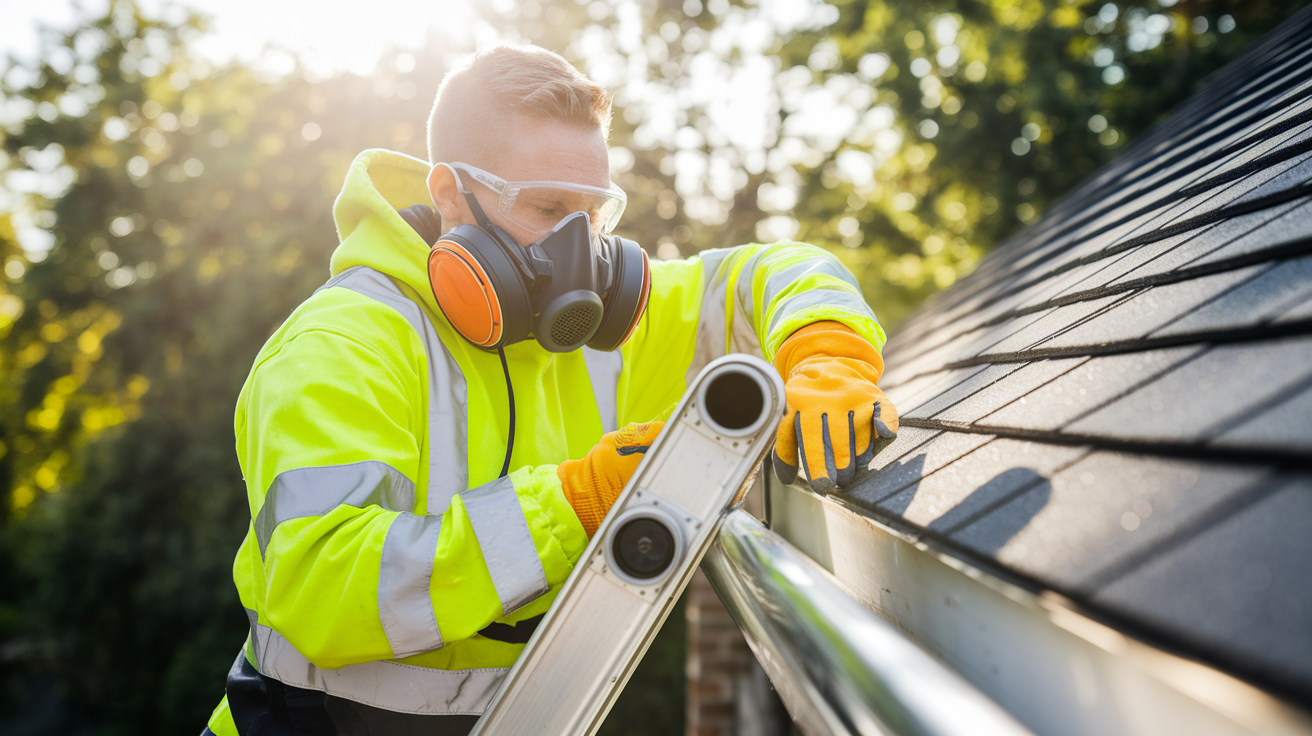
Required safety equipment and procedures include nitrile gloves that resist chemical breakthrough better than latex and prevent skin irritation from uncured sealant. Eye protection stops drips and overspray from reaching your eyes during overhead application. Respirator mask with organic vapor cartridges for any product with noticeable odor, required for GE Metal Silicone 2 despite low-odor claims. Ladder stabilizer or standoff bracket keeps the ladder away from the gutter you’re repairing and provides stable working position. Work from ladder position where you can reach comfortably without leaning or overreaching past the side rails. Have someone foot the ladder base when working above 8 feet or on uneven ground.
Cleanup methods depend on sealant base chemistry. Water-based products like Liquid Rubber wash off skin and tools with soap and water while still wet. Once dried, even water-based formulas become permanent and require mechanical removal. Solvent-based products need mineral spirits or acetone for cleanup from skin and tools. Apply the solvent to a rag rather than pouring it directly on your hands. Acetone dries skin aggressively and requires hand moisturizer after cleanup.
For dried product removal, Krud Kutter works on most sealant types without the harsh fumes of lacquer thinner. Spray or brush it onto the dried sealant, let it soak for 10 minutes, then lift away with a putty knife. Multiple applications may be needed for thick buildup. Easy-cleanup products like DAP Extreme Stretch wipe off fingers and tools with just a damp rag during application, reducing solvent exposure.
Disposal of used materials follows household chemical waste rules in most areas. Don’t pour solvents down drains. Let used rags dry completely in a well-ventilated area before trash disposal, or store in a sealed metal container if you’re discarding them while still solvent-wet. Some municipalities require dried-out empty caulk tubes in regular trash while others want them in chemical waste collection.
Low-odor and no-VOC options matter for people with chemical sensitivities or when working near open windows. Liquid Rubber Waterproof Sealant contains no VOCs or solvents and produces no odor during application or curing. This makes extended application sessions tolerable without a respirator, though you should still wear one for ladder safety in case you need to quickly steady yourself and don’t want to inhale directly over wet product.
Long-Term Durability: How Long Gutter Sealants Last and When to Reapply
Factors affecting gutter sealant durability create a range of lifespans from a few years to over a decade. Extreme temperatures stress the seal through constant expansion and contraction cycles. UV exposure breaks down chemical bonds in sealants without UV stabilizers. Weather events including heavy snow loads, ice dams, and severe storms put mechanical stress on sealed joints. And the base gutter material matters because vinyl, aluminum, copper, and steel all expand at different rates.
Expected lifespan ranges depend on these combined factors. Properly applied gutter sealant in moderate climates with minimal extreme temperature swings should last at least several years as a baseline. With proper maintenance and favorable conditions, expect 5 to 20 years from the repair depending on the sealant type you choose. Premium formulas with UV stabilizers and extreme temperature ratings outlast budget products by years. GE Metal Silicone 2 specifically rates its mold and mildew resistance at 10 years, suggesting the base sealant maintains integrity for at least that long under normal exposure.
Climate impact on longevity shows clear patterns. Desert environments with intense UV and temperature swings from freezing nights to 100°F-plus days stress sealants more than moderate coastal areas. Northern climates with severe freeze-thaw cycles challenge the flexibility of any sealant. Humid southern regions promote mold growth that can degrade the seal from behind if water gets past the initial barrier.
Inspection schedules should happen every 6 months, typically in spring and fall when you’re already thinking about gutter maintenance. Walk the perimeter of your home and look for water stains on fascia boards below gutter seams, which indicate active leaks. Check for sagging gutter sections that suggest fastener failure or excessive debris weight. Look at sealed areas from below with binoculars to spot cracking or separation without climbing a ladder for every inspection.
Weather threats that damage gutters and their sealed joints include snow and ice buildup that adds weight and creates expansion force as it melts and refreezes. Standing water from clogged drainage freezes solid and expands, pushing seams apart. And rodents and birds sometimes pick at sealant while investigating gutters as potential nesting sites, creating openings for water entry.
Reapplication becomes necessary when you spot these signs. The sealant has cracked or pulled away from one side of the joint. Water stains appear below previously sealed areas. The repaired section has developed visible gaps or the sealant has shrunk. Testing with a hose creates drips from sealed spots. At that point, remove the failed sealant completely and start fresh rather than trying to seal over deteriorated product.
The seamless gutter perspective offers a permanent alternative that eliminates seam leak points entirely. Seamless systems create one continuous piece of formed aluminum for each gutter run, with joints only at inside and outside corners. This removes 80% to 90% of potential leak points compared to traditional sectional gutters. The higher upfront cost pays back through eliminated maintenance and the decades-long lifespan of properly installed seamless systems. If you’re facing multiple leak points across your gutter system, replacement with seamless gutters may cost less over time than ongoing repairs. You can learn more about preventing water damage from gutter failures at this water damage prevention tips resource covering complete home protection strategies.
Common Problems, Troubleshooting Failed Repairs, and When to Call a Professional
Some repairs fail despite using the right product because application conditions or technique problems prevent proper bonding. Recognizing why a repair didn’t hold helps you fix it correctly the second time.
Common problems and their solutions:
Sealant won’t adhere means the surface wasn’t clean or dry enough before application. Strip the failed product completely, clean with degreaser, dry thoroughly, and reapply.
Cracking after application happens when you used acrylic caulk instead of flexible silicone or polyurethane. Acrylic lacks the elasticity for temperature cycling. Remove it and replace with proper gutter sealant.
Leaks continue after sealing because the gap is too large for the product’s rated capacity, or you’re trying to bridge a structural separation. Gaps beyond ¼ inch need mechanical fastening before sealing, or they need tape or patch material under the sealant.
Sealant peeling away means it was applied to a wet surface without being rated for wet application. Most formulas need dry surfaces for chemical bonding. Strip and start over after drying completely.
Skinning too fast happens when high heat made the product form surface skin before you could smooth it. Work in smaller sections during hot weather, or do the repair early morning before temperatures climb.
Stiff caulking gun application means the product has high viscosity like OSI Quad Max, or cold temperatures thickened it. Warm the tube indoors for an hour before use, or choose a self-leveling formula that flows easier.
Failed repairs in humid climates occur because products like OSI GS121 aren’t recommended for humid or wet climates since they can’t cure properly with constant moisture. Switch to a formula rated for all-weather conditions.
Professional help becomes necessary when the problem extends beyond simple resealing. Extensive gutter damage with multiple separation points, severe corrosion holes, or complete sections pulling away from the fascia board needs replacement rather than patching. Structural fascia board issues where the wood mounting surface is rotted or water-damaged requires carpentry repair before new gutters can be properly attached. The fascia holds the gutter weight and provides the mounting surface for fasteners.
Multiple leak points scattered across your gutter system indicate the overall system is failing. At that point, investing in repairs doesn’t make financial sense. The cost of materials, your time, and the high probability of additional leaks appearing soon makes replacement the practical choice. Safety concerns with multi-story homes or steep roof pitches justify professional help regardless of the repair scope. A $200 service call beats a hospital visit from a ladder fall.
Foundation water damage already present creates urgency beyond the gutter repair itself. Leaking gutters that direct water against your foundation cause thousands of dollars in damage through basement flooding, foundation cracks, and structural settling. If you see foundation issues developing, fix the gutter leak immediately to stop further damage, but also address the existing foundation problems. The foundation water damage repair guide covers how water damage spreads from failed gutters into foundation systems and the professional repairs required to restore structural integrity.
Emergency temporary fixes using tape solutions get you through an immediate crisis when rain is forecast and you don’t have time for proper cure periods. But understand that tape is exactly that. Temporary. Plan to return with permanent sealant during better weather conditions rather than expecting the tape to last through multiple seasons.
Final Words
Choosing the best gutter sealant for leaks comes down to matching the right product to your specific repair situation.
Silicone-based paste sealants give you precision for seams and joints. Butyl rubber sprays and tapes work fast on hard-to-reach spots. Water-based liquid rubber offers low-odor versatility for larger coverage areas.
Surface prep, cure time, and weather conditions make or break your repair’s longevity. Clean, dry gutters and the right application technique turn a $10 tube into years of leak-free protection.
Start with the repair that fits your damage, your climate, and your comfort level. Most gutter leaks are totally DIY-fixable.
FAQ
What is the best sealant for gutter leaks?
The best sealant for gutter leaks is Geocel 2320 Tripolymer because it adheres to all gutter materials, seals gaps up to ¼ inch, works in any weather, self-levels into cracks, and cures to a tough rubberlike finish in 5 days.
What is the best way to seal a leaking gutter?
The best way to seal a leaking gutter is to clean and dry the surface completely, remove old sealant with mineral spirits, apply fresh sealant with a caulking gun while holding seams together, then allow 24 hours of dry weather for proper curing.
Can you caulk outside the seam of a gutter to prevent leaks?
You can caulk outside the seam of a gutter to prevent leaks, but cleaning and applying sealant inside the seam while holding sections together provides better adhesion, deeper penetration, and longer-lasting waterproof protection than exterior-only application.
What gutter sealant works when wet?
Gutter sealants that work when wet include Amerimax FlashMate and DAP Ultra Clear, which both adhere to damp or wet surfaces. However, even wet-application products perform best when gutters are cleaned and dried before applying sealant for maximum adhesion.
How long does gutter sealant take to cure completely?
Gutter sealant takes between 24 hours and 5 days to cure completely depending on the product type. Geocel 2320 and Amerimax SeamerMate need 5 days for full cure, while OSI Quad Max and GE Metal Silicone 2 cure in 24 hours minimum.
Should I use silicone or butyl rubber sealant for metal gutters?
You should use silicone sealant for metal gutters because it remains flexible during temperature-driven expansion and contraction, resists UV degradation, and provides durable waterproof adhesion. Butyl rubber works well but silicone offers better long-term weather resistance and flexibility.
Can gutter sealant be painted to match my gutters?
Gutter sealant can be painted if the product is specifically labeled paintable. OSI Quad Max accepts paint within 1 hour, Amerimax SeamerMate after 24 hours, and Rust-Oleum LeakSeal after full cure using latex or oil-based paint.
How do I remove old gutter sealant before applying new product?
You remove old gutter sealant by applying Krud Kutter, mineral spirits, or lacquer thinner sparingly to the area, allowing it to soak briefly, then lifting the softened sealant with a putty knife. Complete removal isn’t necessary for good adhesion.
What temperature range do I need for applying gutter sealant?
The temperature range you need for applying gutter sealant varies by product, with some like Flex Seal requiring minimum 65°F air temperature during application, while others like Geocel 2320 Tripolymer work in any weather and temperature without restrictions.
How long does professionally applied gutter sealant last?
Professionally applied gutter sealant lasts at least several years with proper maintenance, typically 5 to 20 years depending on sealant type, local climate extremes, and regular inspection. Extreme temperatures and UV exposure can reduce longevity over time.
Why did my gutter sealant crack after application?
Your gutter sealant cracked after application because you likely used acrylic caulk instead of flexible silicone or polyurethane sealant. Acrylic lacks the elasticity needed for metal gutters that expand and contract with temperature changes, causing brittleness and cracking.
Do I need to wear a mask when applying gutter sealant?
You need to wear a mask when applying solvent-based gutter sealants that emit strong odors, like GE Metal Silicone 2 or Amerimax FlashMate. Water-based products like Liquid Rubber contain no VOCs or solvents and don’t require respiratory protection.
Can gutter sealant fill large holes or just seams?
Gutter sealant can fill holes up to ¼ inch diameter using self-leveling products like Geocel 2320 or Amerimax SeamerMate. Larger holes may need spray sealants with multiple coats or waterproof tape patches for instant emergency coverage before permanent repair.