

You probably think fixing water damaged drywall is just cutting out a soggy spot and slapping up a patch. It’s not. The real cost comes down to what kind of water hit your wall, how long it sat there, and whether you’re dealing with a small stain or a collapsing ceiling. This guide breaks down actual price ranges from $215 patch jobs to $10,000 full room rebuilds, plus where you can save money and when you absolutely need a pro.
What You’ll Pay for Drywall Water Damage Repairs: Understanding Cost Factors First

Drywall water damage repair costs come down to three things: what kind of water you’re dealing with, how bad the damage is, and how the work breaks down between labor and materials. Getting your head around these variables before you start calling contractors helps you set a realistic budget and spot fair pricing when you see it.
| Water Category | Cost Per Sq Ft | Typical Source | Severity Impact |
|---|---|---|---|
| Category 1 (Clean Water) | $3 to $4 | Supply lines, faucets, rainwater | Lowest – clean water caught early |
| Category 2 (Gray Water) | $4 to $7 | Washing machines, dishwashers, toilet tanks | Moderate – contains contaminants |
| Category 3 (Black Water) | $7 to $7.50 | Sewage, flooding, standing water | Highest – requires hazmat-level cleanup |
Damage severity drives costs in ways that can feel dramatic. Minor cosmetic repairs might run $215 to $465 for small patches where the damage is dry and only covers a few square feet. Moderate damage needing section replacement, moisture extraction, and finishing work usually sits around $800 to $2,500. Severe structural damage that needs extensive wall or ceiling replacement, potential framing repairs, and total restoration can hit $2,500 to $10,000 or more. The gap between a simple patch and a full wall rebuild often comes down to how fast you caught the problem and whether stuff like mold started developing.
Labor is where most of your money goes, running $45 to $90 per square foot or $60 to $90 per hour depending on where you live and who you hire. Materials cost way less at $1.50 to $3.50 per square foot for drywall replacement and finishing. A standard drywall sheet runs about $8 to $24 depending on type and thickness. Moisture resistant cement board costs $10 to $12 per sheet. Joint compound, tape, screws, primer, and paint add small amounts on top. This gap between labor and materials is why small DIY patches make financial sense while bigger projects benefit from professional speed.
Here’s what total costs look like in real situations:
- Single small patch repair: $215 to $465
- Minor damage 20 square feet Category 1: $300 to $800
- Moderate damage 50 square feet Category 2: $800 to $2,500
- Severe damage 200 square feet Category 3: $2,500 to $10,000 or more
- Typical ceiling repair: $500 to $2,500
- Average complete project: $1,361 to $6,270 with $3,300 average
These baseline numbers give you a framework. Final costs shift based on regional labor rates, contractor experience, how fast you need it done, and extra factors like mold remediation we’ll cover in the sections ahead. Standard pricing sits around $7.50 per square foot for typical restoration work, but contamination category and hidden problems can push that number higher.
Severity-Based Cost Breakdown: Minor, Moderate, and Severe Drywall Damage
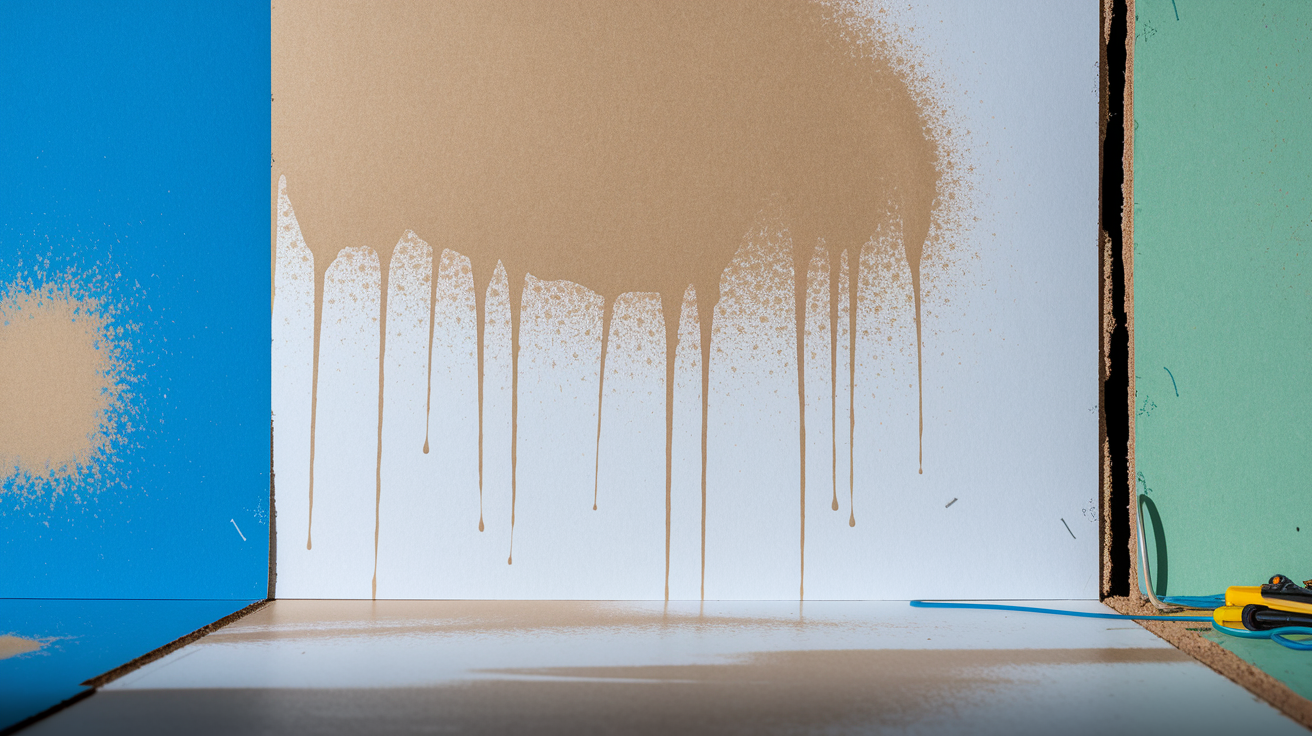
How you assess damage determines pricing because repair methods, time requirements, and what you’ll need change big time based on how far things have gone. A contractor looks at water spread, how deep the saturation goes, whether the structure’s solid, and secondary issues before they price the work.
Minor Drywall Water Damage Costs
Minor damage means small patches, cosmetic staining, or isolated spots with no structural problems. You’re looking at a few square feet of discoloration, maybe some paint bubbling, but the drywall feels solid when you press on it. Simple two square foot repairs cost $100 to $170. Minor cosmetic fixes for dry water stains run $150 to $400. These repairs involve cutting out the damaged section, installing a drywall patch, applying joint compound in layers, sanding smooth, then priming and painting to match. Total project time is one to two days including drying between coats. Materials cost stays low because you’re buying a single sheet or even just a small cutout piece.
Moderate Drywall Water Damage Costs
Moderate damage needs section replacement, partial wall or ceiling repairs, and early stage moisture management. You’re dealing with 20 to 50 square feet of wet or damaged drywall, soft spots when you touch the surface, or visible sagging that hasn’t collapsed yet. Costs run $800 to $2,500 for moderate projects. Repairs include moisture extraction if the wall’s still damp, removing and getting rid of wet materials, possible insulation replacement behind the drywall, installing new sheets, full finishing with multiple coats of joint compound, texture matching if needed, and final painting. Minor mold treatment might be necessary if moisture sat for more than 48 hours. Timeline stretches to three to seven days depending on drying requirements and whether you’re fixing walls or ceilings. Ceiling work costs more per square foot because of overhead difficulty and staging equipment.
Severe Drywall Water Damage Costs
Severe damage requires full wall or ceiling replacement, structural repairs, multi room impact, and total restoration. The drywall is saturated, sagging, crumbling, or showing visible mold growth. Framing members may be shot. Severe projects cost $2,500 to $10,000 or more. Full ceiling replacement for a typical room runs $1,200 to $3,500 before addressing water source repairs or structural concerns. These jobs involve industrial drying equipment, complete material removal down to studs, potential framing repairs or replacement, new insulation, full drywall installation across large areas, extensive finishing work including texture replication, thorough priming and painting, and often mold remediation services. Timeline goes beyond one week when you factor in proper drying protocols, inspection requirements, and reconstruction phases.
Proper damage assessment before getting quotes prevents surprise costs halfway through. A contractor should check behind walls with moisture meters, look at structural members for rot or damage, test for mold if conditions suggest growth, and give you written scope detailing exactly what gets repaired versus replaced.
Labor and Material Costs: The Two Major Expense Components
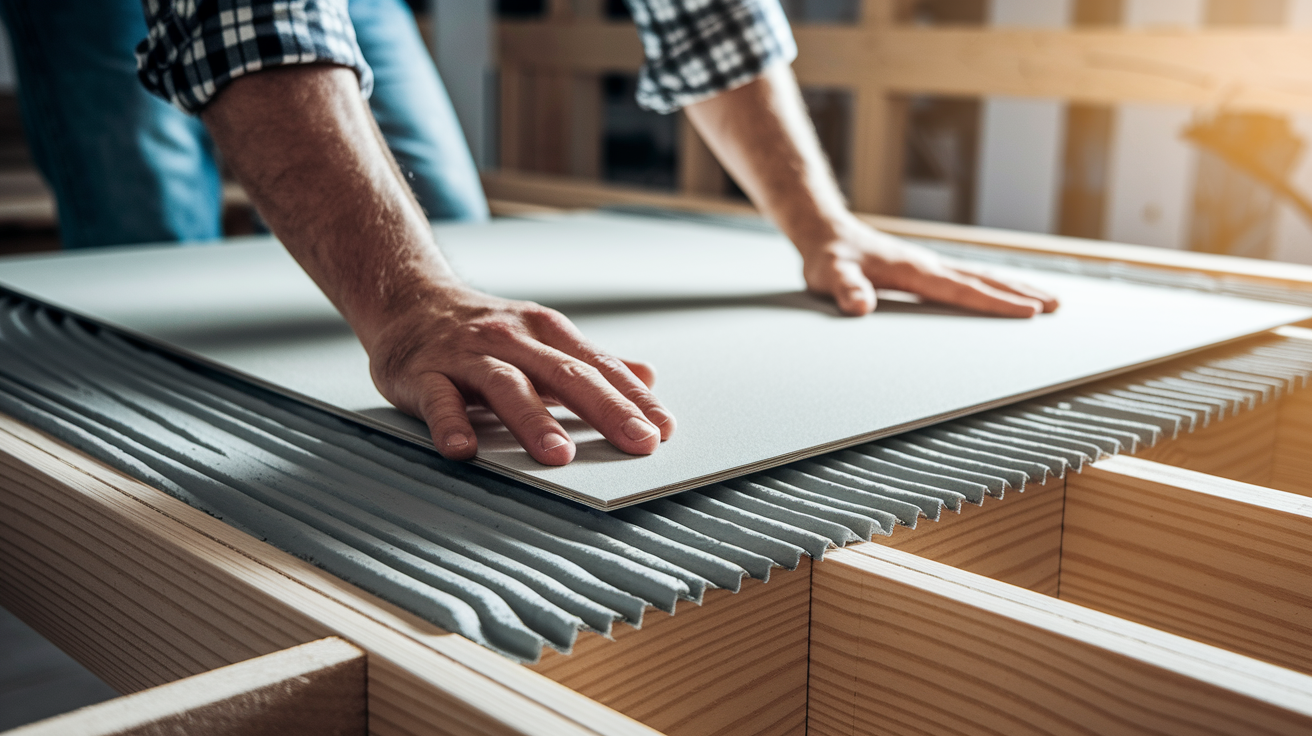
Total repair costs split between labor and materials, with labor taking the bigger share in nearly every project. Understanding this breakdown helps you evaluate quotes and figure out where cost cutting makes sense.
Professional Labor Costs for Drywall Repair
Professional labor runs $45 to $90 per square foot for complete drywall restoration or $60 to $90 per hour for time based billing. Where you live creates wide ranges, with urban markets and high cost of living areas pushing toward the upper end. Labor includes way more than just installing drywall. You’re paying for initial damage assessment, water extraction if needed, careful demolition to keep mess down, proper disposal of wet materials, precise cutting and fitting of new drywall, multiple coats of joint compound applied and sanded between layers, texture matching when ceilings or walls have knockdown or orange peel finishes, priming, painting, and final cleanup. Skill level matters because finishing work shows every imperfection. An experienced drywall finisher creates invisible seams and smooth transitions. Rushed or inexperienced work leaves ridges, visible tape lines, and uneven texture that becomes obvious once painted. Contractors with restoration certifications usually charge more per hour but finish projects faster with better results because they understand moisture management, proper drying protocols, and how to prevent secondary damage.
Material Expenses: Drywall, Compound, and Finishing Supplies
Material costs range from $1.50 to $3.50 per square foot depending on finish level and drywall type. Standard half inch drywall sheets cost about $8 each. Moisture resistant greenboard runs slightly higher. Cement backer board for high moisture areas like shower surrounds costs $10 to $12 per sheet. Single small patch material kits cost around $16 including a repair patch, joint compound, and basic supplies.
What you’ll need with cost ranges:
- Drywall sheets: $8 to $24 depending on size, thickness, and moisture resistance
- Joint compound: $10 to $25 per bucket depending on size and type (all purpose versus lightweight)
- Drywall tape: $3 to $8 per roll (paper or fiberglass mesh)
- Drywall screws: $8 to $15 per box
- Primer: $20 to $35 per gallon
- Paint: $25 to $60 per gallon depending on quality
Material costs stay pretty stable nationwide while labor varies big time by location and contractor. You can save money buying your own materials if doing partial DIY work, but professionals often get better pricing through supplier accounts and won’t charge markup if materials are included in their flat rate bid.
Additional Cost Factors: Mold, Insulation, and Hidden Damage
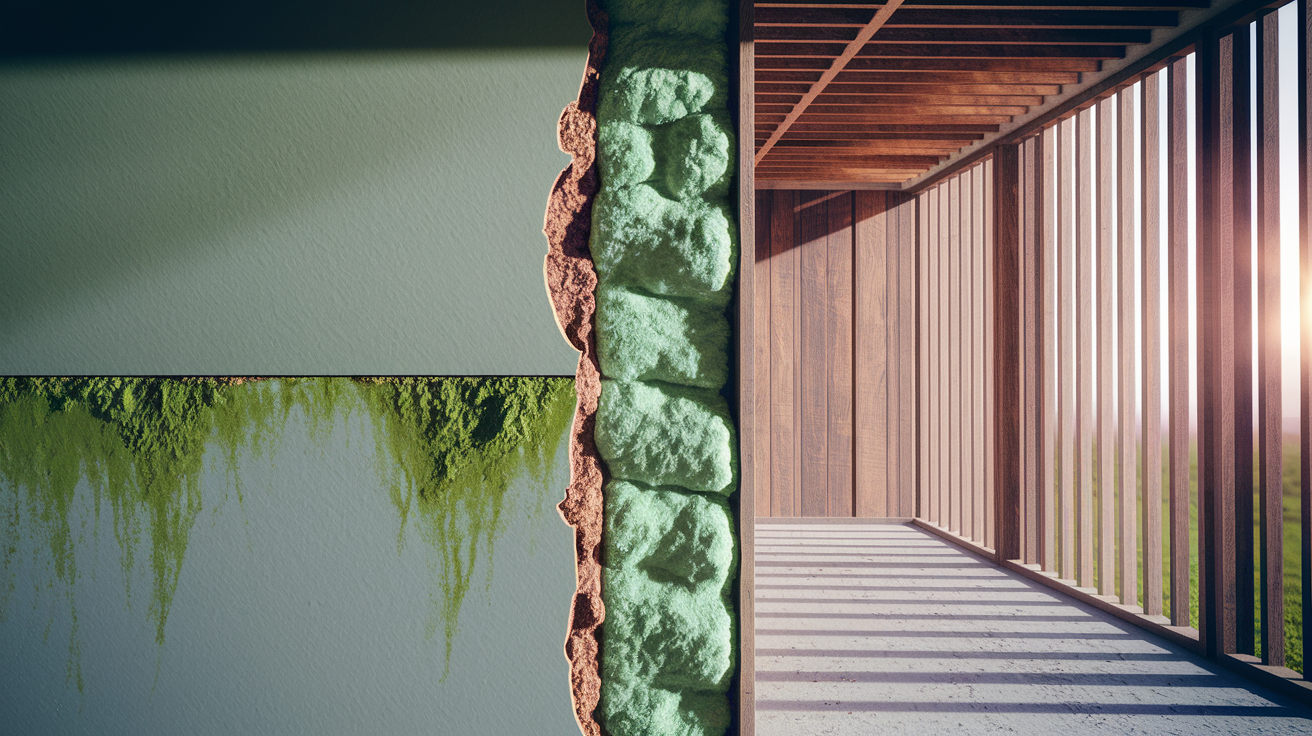
Water damage often reveals or causes secondary problems that bump total costs beyond basic drywall replacement. These aren’t upsells or unnecessary add ons. They’re real issues that develop when moisture gets into building materials and sits long enough to create biological growth or mess up adjacent systems.
Common additional expenses:
- Mold remediation: $500 to over $6,000 depending on how far it’s gone, with severe cases adding $15 to $30 per square foot. If HVAC systems are contaminated and need duct cleaning or replacement, costs can exceed $6,000.
- Insulation replacement: Fiberglass batts run $0.50 to $1.00 per square foot installed. Closed cell spray foam insulation costs $1.50 to $3.00 per square foot. Wet insulation loses R value and creates a breeding ground for mold, so replacement isn’t optional.
- Structural framing repairs: When studs or joists show rot, softness, or water damage, sections need replacing. Costs vary by how far it goes but add hundreds to thousands depending on how easy it is to reach and whether it’s load bearing.
- Electrical system concerns: Water exposure to outlets, switches, or wiring requires electrical inspection and potential replacement. Budget $100 to $500 for minor electrical work or more for extensive rewiring.
- Moisture testing and inspection: Initial professional assessment costs $200 to $300, with additional samples running $50 to $150 each. Testing identifies contamination level and confirms everything’s dry before reconstruction.
- Antimicrobial treatments: Applied to framing and subflooring after water removal to prevent mold growth during the drying phase. Adds $100 to $300 depending on affected area size.
The 24 to 48 hour window for mold growth matters financially because acting within this window prevents mold remediation costs that can add thousands to the project. Clean water becomes gray water when left standing. Gray water becomes black water as bacterial load goes up. Each category jump raises per square foot costs and cleaning requirements get more intense. A small leak caught right away might cost $300 to repair. The same leak ignored for three days while you’re out of town can balloon to $2,000 or more once mold treatment, contaminated insulation removal, and extended drying time factor in. Speed isn’t just about preventing further damage. It’s about preventing damage category escalation and biological contamination that multiplies costs.
Getting thorough inspections before reconstruction prevents surprise costs halfway through. Contractors should use moisture meters to verify complete drying, check cavities behind walls with inspection cameras if needed, and document findings with photos. Skipping this step leads to callbacks when sealed in moisture causes mold growth weeks after you thought repairs were done.
Painting and Finishing Costs After Drywall Repair

Drywall repair isn’t done until surfaces are primed, painted, and texture matched to blend invisibly with surrounding areas. Finishing work separates professional results from obvious patches.
The finishing process has several steps with costs attached. Sanding creates smooth transitions between new joint compound and existing wall surfaces. This step creates fine dust, needs proper ventilation and cleanup, and takes patience to get seamless results. Primer application seals new drywall and joint compound, keeping the porous surface from absorbing paint unevenly and creating flat spots or sheen differences. Mold inhibiting primers cost about $0.50 to $1.00 per square foot more than standard primers but prevent future growth in previously damaged areas. Texture matching for popcorn, knockdown, or orange peel ceilings requires specialized tools and technique. Ceiling textures vary by era and region, making exact matches challenging. Paint application usually needs two coats for uniform coverage and color consistency, with cost ranging from $0.50 to $2.00 per square foot depending on paint quality and how many coats you need.
| Finishing Task | Cost Per Sq Ft | Notes |
|---|---|---|
| Sanding and prep | Included in labor | Creates dust, requires cleanup and ventilation |
| Primer application | $0.20 to $0.50 | Mold-inhibiting primer adds $0.50-$1.00 total |
| Texture matching | $0.50 to $1.50 | More complex for popcorn or heavy knockdown |
| Painting (2 coats) | $0.50 to $2.00 | Varies by paint quality and surface condition |
Color matching and whether finishing is included in contractor quotes or billed separately affects total costs. Some contractors include painting in their restoration bid. Others stop at primed drywall and leave final painting to you or a separate painter. Get clarity in writing before work starts so you’re not surprised when the contractor packs up and leaves you staring at white primer patches.
DIY Drywall Repair vs. Hiring Professional Contractors: Making the Right Choice

The call between DIY and professional repair depends on damage scope, your skill level and tool access, time availability, and cost comparison. Small cosmetic fixes favor DIY. Anything involving moisture extraction, structural concerns, or mold requires professionals.
When DIY Drywall Repair Makes Financial Sense
DIY makes sense for small patches under two square feet, simple cosmetic fixes, and dry damage with no mold present. You need minimal tools: a utility knife, drywall saw, putty knife, sandpaper or sanding block, and a paint brush. Material costs run $20 to $100 for small projects. A repair kit with a self adhesive mesh patch, small container of joint compound, and putty knife costs around $16. You’re basically trading time and learning curve for labor savings of $100 to $300 on small repairs. The work involves cutting out the damaged section in a clean square or rectangle, installing a backing piece or using a self adhesive patch, applying joint compound in thin layers with drying time between coats, sanding smooth, then priming and painting. Expect a learning curve on your first try. Your joint compound layers might show ridges or you may oversand and create low spots. That’s normal. YouTube tutorials help, but real world technique takes practice.
When Professional Restoration Is Worth the Investment
Professional restoration is worth it for scenarios needing specialized equipment or expertise that you can’t copy with homeowner tools. If water extraction equipment is needed because drywall’s still wet or moisture remains in wall cavities, you need pros. Industrial dehumidifiers and air movers cost thousands to buy and require knowledge of proper placement and runtime for effective drying. If mold is present beyond a tiny surface spot you can wipe with bleach solution, you need certified remediation. Containment barriers, HEPA filtration, antimicrobial treatments, and proper disposal of contaminated materials aren’t DIY territory. If structural concerns exist like soft studs, sagging framing, or compromised load bearing members, you need licensed contractors who pull permits and pass inspections. If you’re filing insurance claims, professional documentation and estimates strengthen your case and make the process smoother. If damage affects multiple rooms or requires coordination between trades like plumbers, electricians, and drywall contractors, general contractors manage the workflow. If time sensitivity matters because you need to move back in or prevent further damage, professionals finish in days what takes you weeks of evenings and weekends.
Professional labor runs $45 to $90 per square foot or $60 to $90 per hour but includes everything. Water extraction removes standing water and pulls moisture from materials using truck mounted or portable extractors. Industrial drying equipment operates for two to four days with daily monitoring of moisture levels in walls, floors, and air. Material removal disposes of damaged drywall, insulation, and any compromised framing safely and legally. Potential mold remediation treats contamination according to industry protocols with proper containment and air scrubbing. Complete reconstruction installs new materials, finishes surfaces to match existing conditions, and leaves the space ready for occupancy. The labor cost includes expertise, efficiency, proper equipment, liability insurance, and warranty on completed work.
Questions to ask when vetting contractors:
- Are you licensed and insured? Request license number, verify with your state contractor licensing board, and ask for proof of liability insurance and workers compensation coverage.
- Do you have IICRC certification? The Institute of Inspection, Cleaning and Restoration Certification credential improves insurance claim success and shows training in water damage restoration protocols.
- Can you provide recent local references? Contact at least three previous customers whose projects match your scope.
- What’s included in your written estimate? Itemized pricing should break down labor, materials, equipment rental, disposal fees, and any subcontractor costs.
- Do you offer an itemized pricing breakdown? Lump sum bids without detail make it impossible to compare quotes or see where your money goes.
- How do you handle unexpected damage discoveries mid project? Set up a communication protocol and approval process for change orders before work begins.
- What’s your timeline and payment schedule? Avoid contractors demanding large upfront deposits. Standard practice is one third at contract signing, one third at substantial completion, and final third after walk through approval.
- Do you guarantee your work with a warranty? Written warranties covering workmanship for at least one year show contractor confidence.
- Will you handle insurance documentation and communicate with adjusters? Experienced restoration contractors streamline claims with proper documentation, estimates in insurance industry format, and direct communication with adjusters.
- What specific equipment and methods will you use for drying and restoration? Vague answers suggest inexperience. Expect specifics about air mover placement, dehumidifier capacity, moisture monitoring schedule, and drying targets.
Red flags include reluctance to provide written estimates, pressure for immediate large deposits before work starts or permits are pulled, no verifiable credentials or license numbers when you search state databases, prices way below competitors without explanation of how they’re getting lower costs, and vague scope descriptions that don’t specify what’s included versus excluded. A contractor saying “we’ll fix the water damage” without detailing square footage, materials, finish level, or timeline is setting up disputes later.
Check contractor credentials thoroughly before any work begins. Look at online reviews on multiple platforms like Google, Yelp, and Angi, watching for patterns in complaints rather than isolated incidents. Verify license numbers with your state contractor licensing board website. Request and personally verify proof of liability insurance and workers compensation coverage by calling the insurance company directly with the policy number. Never pay full amount upfront. Standard payment schedules protect both parties by tying payment to completed milestones.
Regional Pricing Variations and Geographic Cost Differences
Labor rates vary a lot by region, creating geographic price gaps for identical repair scope. Understanding local market conditions helps you set realistic budget expectations and recognize whether quotes are fair for your area.
Big cities with high costs of living see labor rates at the upper end, ranging from $150 to $200 per hour or $70 to $90 per square foot for complete restoration. Rural areas and regions with lower living costs usually see rates from $70 to $100 per hour or $45 to $60 per square foot. The same 50 square foot repair that costs $2,500 in a major city might run $1,800 in a rural market. Several things drive these regional differences. Cost of living affects how much contractors must charge to pay employees competitive wages and cover business expenses like vehicle fuel, insurance premiums, and licensing fees. Contractor availability and market competition influence pricing, with areas having lots of qualified contractors showing more competitive rates than regions where few restoration companies operate. Local building codes and permit requirements add time and cost in places with strict enforcement and lengthy approval processes. Seasonal demand changes matter in regions prone to specific weather events like hurricane season on the Gulf Coast or spring flooding in the Midwest, where contractors raise rates during peak emergency response periods.
Research local pricing by getting multiple quotes with at least three contractors providing written estimates for identical scope. Check local contractor reviews on platforms popular in your region to understand reputation and typical pricing comments. Ask about regional material sourcing because remote areas may face higher material delivery costs or limited product availability. Understand whether permit requirements affect timeline and cost, since some places charge hundreds in permit fees and require multiple inspections that extend project duration.
Material costs stay pretty stable nationwide while labor creates the geographic price gap.
Timeline Estimates: How Long Drywall Water Damage Repairs Take

Repair duration depends on damage severity, drying requirements, and reconstruction scope, with the critical 24 to 48 hour window before mold growth begins affecting both timeline and costs. Acting quickly within this window saves money and cuts total project time by preventing secondary contamination.
Realistic timeline phases:
-
Emergency water extraction and initial assessment happens within hours to one day of calling a restoration company. Contractors show up with truck mounted or portable extraction equipment, remove standing water, do initial damage assessment with moisture meters and thermal imaging cameras, and give preliminary scope and cost estimates. This phase costs $1,000 to $3,000 depending on affected area size and extraction difficulty. Speed matters because the 24 to 48 hour mold growth window starts when water first contacts materials.
-
Industrial drying and dehumidification takes two to four days typically, using equipment like air movers and dehumidifiers placed according to ANSI/IICRC S500 Standard recommendations of one air mover per 100 to 150 square feet of affected area. Contractors monitor moisture levels daily in walls, floors, and air, adjusting equipment placement as needed. Drying can’t be rushed because premature reconstruction traps moisture and guarantees mold growth. Contractors measure moisture content in wood framing and gypsum board, targeting specific ranges before moving forward.
-
Demolition and material removal takes one to two days depending on how far it goes. Contractors remove wet drywall, compromised insulation, any damaged framing members, and dispose of materials properly. Category 3 black water contamination requires special handling and disposal procedures that extend this phase.
-
Reconstruction and drywall installation takes one to three days depending on square footage and complexity. Installing new framing if needed, adding insulation, hanging drywall sheets, and applying initial coats of joint compound with drying time between applications fills this phase. Ceilings take longer than walls due to overhead work difficulty.
-
Finishing work including texture matching, priming, and painting takes one to two days. Multiple coats of joint compound get applied and sanded between layers. Texture gets matched if it applies. Primer and paint require drying time between coats.
Mold remediation adds days when damage exceeds the 24 to 48 hour window, since containment barriers must be put up, HEPA filtration equipment runs continuously during removal, antimicrobial treatments require application and dwell time, and clearance testing confirms successful remediation before reconstruction goes forward. Structural repairs needing building inspections extend timelines when inspectors must verify work at multiple stages. Permit approvals add days or weeks in places with backed up building departments. Material availability affects timeline when specialty items like specific texture products or discontinued paint colors need ordering. Contractor scheduling creates delays during busy seasons when restoration companies juggle multiple emergency calls.
Acting quickly within the first 24 to 48 hours prevents mold growth which adds both time and serious costs from $500 to over $6,000 depending on how far it’s gone and whether HVAC systems need remediation. Water category can get worse when standing water is left unaddressed. Clean water from a supply line becomes gray water as it picks up contaminants from floor surfaces or building materials. Gray water becomes black water as bacterial load goes up over time. Each category jump raises per square foot costs and extends timeline because cleaning and disposal requirements get more intense.
Emergency response services may carry premium rates for after hours calls, typically 25 to 50 percent higher than standard rates. The math still favors speed because preventing mold, structural deterioration, and category escalation saves way more than the emergency surcharge costs. A $200 after hours premium that prevents $3,000 in mold remediation represents a cost saving investment rather than an added expense.
Insurance Coverage for Drywall Water Damage: What’s Covered and What’s Not

Coverage depends on the cause and type of water damage, with homeowners insurance policies drawing clear lines between covered and excluded events. Understanding these differences before damage occurs helps you prepare financially and file successful claims when needed.
Standard homeowners insurance usually covers sudden and accidental water damage from events like pipe bursts from frozen or failed plumbing, appliance malfunctions like washing machine supply line failures or water heater ruptures, accidental overflow events when someone leaves a faucet running, storm damage to roofs allowing water intrusion, and HVAC system failures causing water release. These are unexpected events that happen despite reasonable maintenance. Coverage includes water extraction, drying, material removal, mold remediation if growth resulted from a covered event and prompt action was taken, reconstruction costs for drywall and related materials, and content damage when furniture or belongings are affected.
Common exclusions that leave you paying out of pocket include gradual leaks from poor maintenance like slow pipe corrosion, worn toilet wax rings, or deteriorated caulking that allowed moisture intrusion over months or years. Flood damage from rising water, hurricane storm surge, or rivers overflowing requires separate National Flood Insurance Program policies purchased through approved carriers. Earthquakes causing pipe damage need separate earthquake coverage. Mold growth from delayed repairs when the homeowner knew about water damage but waited weeks or months to address it usually gets denied because insurance expects prompt action. Cosmetic damage that doesn’t affect structural integrity or habitability may not be covered or may receive partial payment. Normal wear and tear from age related deterioration isn’t covered since insurance protects against sudden accidents rather than maintenance failures.
Steps for successful claims that protect your interests and strengthen your case:
- Take before photos right away when you discover damage, capturing wide shots showing room context and close ups showing specific damage details like water stains, bubbling paint, or sagging drywall.
- Document all damage with detailed notes including date discovered, suspected source, rooms affected, weather conditions if relevant, and initial actions you took like shutting off water or placing buckets.
- Get professional assessment from certified contractors, preferably IICRC certified restoration firms familiar with insurance processes, to provide written scope and estimates in formats insurance adjusters recognize.
- Save all receipts and invoices for any mitigation efforts you pay for out of pocket initially, since covered expenses get reimbursed during claim settlement.
- Create itemized repair lists with scope descriptions breaking down each task, materials needed, labor estimates, and equipment rental costs so adjusters understand your claim.
- Keep communication records with adjusters including copies of emails, notes from phone calls with dates and participant names, and any correspondence about claim status or documentation requests.
Choosing IICRC certified contractors strengthens claims because insurance adjusters recognize these credentials as showing proper training in water damage restoration protocols and industry standard practices. Contractors experienced in insurance work provide estimates in formats adjusters expect, communicate directly with insurance companies using industry terms, and document conditions thoroughly with photos and moisture readings.
Understanding deductibles before starting work prevents surprises when claim checks arrive. If your deductible is $1,000 and approved repairs total $2,500, you receive $1,500. On small claims barely exceeding your deductible, consider whether filing makes financial sense given potential premium increases. For major damage well above your deductible, filing claims protects you from devastating out of pocket costs.
Leak Source Identification and Repair: Addressing the Root Cause
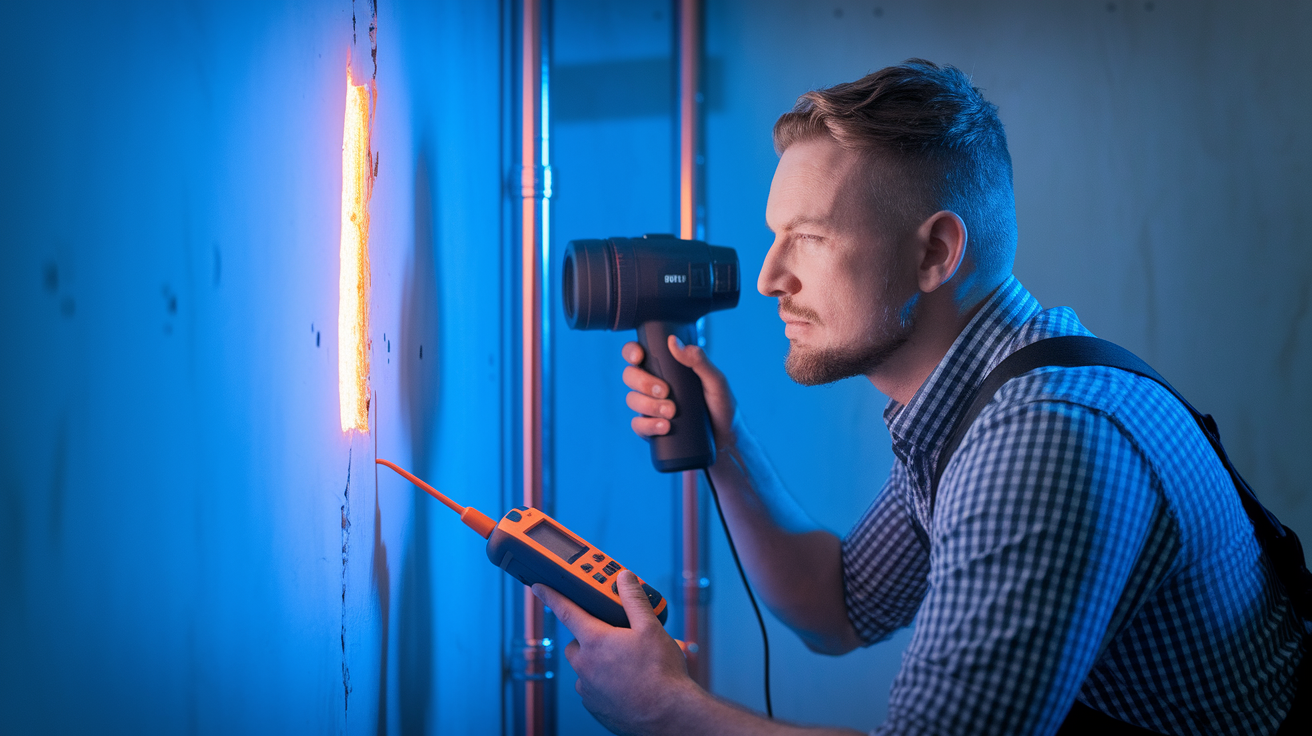
Drywall repair is only part of the solution because fixing cosmetic damage without addressing the water source leads to repeat damage within weeks or months and wastes money on temporary fixes. The leak must be found and permanently repaired before reconstruction begins.
Common water sources and their repair costs vary by how easy they are to reach and how bad they are. Roof leaks cost $150 for simple shingle replacement or flashing patches in easily accessible areas, ranging up to $1,000 or more for involved repairs needing multiple courses of shingles replaced, extensive flashing work around chimneys or skylights, or repairs to roof valleys and penetrations. Plumbing failures range from $500 to $2,500 depending on pipe accessibility and whether repairs involve simple supply line replacement versus cutting into walls to access corroded pipes or re routing plumbing around failed sections. Appliance connection failures like washing machine hoses, dishwasher supply lines, or refrigerator ice maker connections typically cost $100 to $300 for line replacement. HVAC condensation from blocked drain lines or frozen evaporator coils runs $150 to $500 depending on whether the issue needs simple drain clearing versus refrigerant recharge or component replacement. Foundation seepage from poor grading or failed waterproofing can range from hundreds for improved drainage to thousands for excavation and exterior waterproofing applications.
Leak detection methods range from simple to sophisticated:
- Visual inspection identifies obvious sources like dripping pipes, water pooling, or visible roof damage. Free when you do it yourself.
- Moisture meters costing $20 to $60 for pinless models help track moisture in walls, finding wet areas that suggest hidden leaks even when surfaces look dry.
- Professional thermal imaging cameras reveal temperature differences that show moisture paths, helping contractors trace leaks to their source rather than chasing symptoms. Usually included in professional inspection fees.
- Water meter monitoring involves noting your meter reading, avoiding all water use for several hours, then checking again. If the meter moved, you have a leak somewhere in the system.
- Pressure testing isolates leaks in supply lines by pressurizing the system and watching for pressure drops that show escaping water.
Professional leak detection costing $200 to $500 saves money by preventing misdiagnosed sources and incomplete repairs that need multiple contractor visits and repeated drywall repairs. A plumber who correctly identifies a failed pipe behind a wall on the first visit prevents the cost of repairing drywall twice because an initial guess missed the actual problem. Thermal imaging cameras and moisture meters pinpoint exact leak locations, keeping demolition down and reducing total repair scope.
Leak repair costs are separate from drywall restoration and both must be budgeted when planning total project expenses. Don’t assume a $1,500 drywall repair quote includes fixing the plumbing or roof issue that caused the damage. Most restoration contractors handle water extraction, drying, and reconstruction but subcontract or refer out plumbing and roofing repairs. Get separate quotes for source repair and reconstruction so your total budget reflects reality.
Cost-Saving Strategies for Drywall Water Damage Repairs
Water damage creates financial stress and smart strategies help manage expenses without messing up quality or safety. Real savings come from efficiency, timing, and prevention rather than cutting corners on necessary work.
Ways to save money:
- Get three or more free estimates for comparison, making sure quotes cover identical scope so you’re comparing equivalent work rather than vague promises. Written estimates with itemized pricing reveal where costs differ between contractors.
- Handle small DIY tasks like final painting if contractors quote prices including labor for finish coats. Contractors charge $1 to $2 per square foot for painting. You can buy premium paint for $50 per gallon covering 350 to 400 square feet and apply it yourself.
- Act within 24 to 48 hours to prevent mold because remediation adds $500 to over $6,000 depending on how far it goes. Speed represents your single biggest cost control opportunity when water damage happens.
- Use water resistant materials in prone areas like bathrooms and kitchens, adding just a few dollars per panel for greenboard or cement backer board compared to standard drywall. This small upfront investment prevents future damage that costs hundreds to repair.
- Install smart leak detectors for early warning, with devices costing $30 to $80 each providing alerts when moisture is detected. Catching leaks in hours rather than days prevents extensive damage.
- Schedule repairs during contractor off season, typically late fall through early spring in most regions, when demand drops and contractors offer competitive pricing or discounts to fill scheduling gaps.
- Bundle multiple repairs for volume discounts if you have several small projects like patching holes, fixing cracks, or addressing minor water damage in different rooms. Contractors may cut per project costs when finishing multiple jobs in one visit.
- Keep a 10 to 15 percent budget buffer for unexpected repairs discovered during demolition, since hidden damage behind walls frequently exceeds what’s visible on surfaces.
False economy creates bigger problems and higher long term costs. Skipping mold remediation when visible growth exists means sealing contamination behind new drywall where it spreads invisibly and affects indoor air quality until you’re forced into more expensive remediation later. Using uninsured contractors saves money upfront but leaves you liable when workers get injured on your property or substandard work causes additional damage. Delaying repairs costs 30 to 50 percent more long term because moisture keeps spreading, materials degrade further, mold sets up shop, and water category gets worse from clean to gray or black requiring more intensive cleanup.
Preventive maintenance saves thousands compared to emergency repairs by catching small problems before they become disasters. An annual plumbing inspection costing $100 to $200 finds worn supply lines, corroded pipes, or failing connection points that you can replace affordably before they burst. Seasonal roof inspections costing $150 to $300 spot missing shingles, failing flashing, or damaged valleys that you can repair for hundreds rather than waiting until leaks cause thousands in water damage.
Sample Cost Scenarios: Real-World Repair Examples
Sample scenarios show how size, contamination category, additional factors, and location combine into total costs, helping you estimate your own situation before calling contractors.
| Damage Scenario | Square Footage | Water Category | Mold Present | Total Cost Range |
|---|---|---|---|---|
| Small ceiling stain patch | 2 sq ft | Category 1 |