

You probably don’t think much about primer until you’re standing in the paint aisle staring at a dozen options, wondering if the cheap stuff will work or if you need something stronger. Regular primer prepares clean surfaces for paint. Stain blocking primer stops discoloration from bleeding through, even years later. If you guess wrong, you’ll be repainting the entire room after stains reappear through your fresh topcoat. This guide breaks down exactly which primer handles which problem, so you buy the right product the first time and skip the do-over.
Quick Reference: Choosing the Right Primer for Your Project
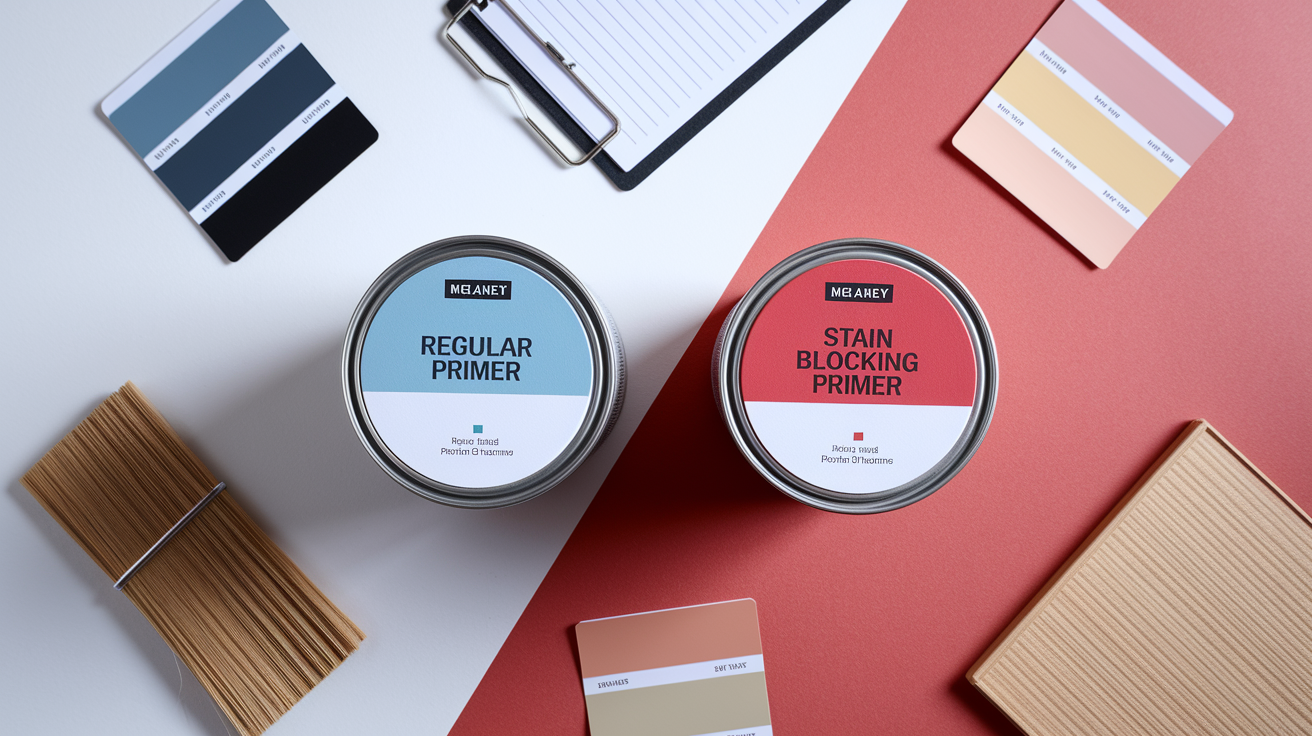
Most confusion around primers comes from not knowing which questions to ask before you buy. A few simple yes or no checks about your surface condition and damage type will point you straight to the right product and save you from guessing at the paint store.
Regular primers are surface preparation products that improve paint adhesion, coverage, and longevity on clean, stable surfaces. They create a uniform base that helps your topcoat stick properly and develop full color. Stain blocking primers are specialized products that prevent discoloration and bleed through from underlying stains, odors, smoke, tannins, or water damage. They seal problem areas so nothing shows through your new paint, even years later.
Start with the less expensive option when you’re uncertain, but understand that stains can appear months or even years after painting without proper blocking. Once bleed through happens, you’re looking at complete re-priming and repainting, which costs far more than buying the right primer the first time. If you see any red flags during your surface inspection, escalate to stain blocking primer immediately.
Decision List:
-
Is the surface clean, previously painted in good condition, with no visible stains, odors, or damage? → Yes: Regular primer sufficient for adhesion and coverage.
-
Are water stains, smoke damage, pet stains, or odors present? → Yes: Stain blocking primer required, minimum oil based.
-
Do you see knots in wood, cedar or redwood species, or pink bleeding through previous primer? → Yes: Shellac based stain blocking primer required.
-
Are you covering crayon marks, light marker, or very mild nicotine residue? → Yes: Water based stain blocking primer may work, but verify after 24 hours.
-
Is this bare wood, bare drywall, or another unpainted porous surface with no stains? → Yes: Regular primer works unless the wood species is known for tannin bleed.
-
Are you painting over high gloss surfaces, ceramic tile, glass, or laminate without sanding? → Yes: Specialty bonding primer required regardless of stain presence.
Formulation Types: Oil Based Primer vs Water Based Primer vs Shellac Based

Primer formulation determines blocking power, drying time, odor levels, and how easy the product is to work with. Your choice affects whether your project succeeds on the first coat or requires multiple applications and longer wait times. Each formulation type has specific strengths that match certain damage scenarios and surfaces better than others.
Shellac Based Stain Blocking Primers
Shellac based primers deliver the most extreme blocking power available for residential projects. BIN Shellac Primer uses pigmented shellac suspended in denatured alcohol, creating a barrier that stops the worst stains and bleed through you’ll encounter. It dries in 15 minutes, accepts a topcoat after 45 minutes, and adheres to difficult surfaces like glossy plastics, metals, ceramic tiles, and varnished wood without sanding or additional surface prep.
The trade offs include strong odor during application, denatured alcohol cleanup (not water or mineral spirits), and limitations on exterior use. You can spot prime exterior trouble areas with shellac primer, but you cannot fully coat exterior projects, especially in hot climates where the shellac film may soften or fail. Use this formulation for interior projects or exterior spot treatment only.
Oil Based and Alkyd Primers
Oil based and alkyd primers provide aggressive stain blocking with superior penetration into porous wood surfaces. They excel at blocking tannin rich woods, rust stains, smoke damage, and water stains. Kilz Original and Zinsser Cover Stain both use oil based formulations that efficiently seal residual odors from pet accidents, smoke, and fire damage while providing long lasting adhesion.
Recoat times range from 2 to 4 hours depending on temperature and humidity. Cleanup requires mineral spirits or paint thinner. Odor levels are higher than water based options, and VOC content exceeds what some regions allow, meaning certain oil based primers are not available in all areas due to environmental regulations. The extended drying time and odor are the price you pay for powerful stain blocking and deep wood penetration.
Water Based and Latex Primers
Water based and latex primers offer moderate blocking ability with low odor, water cleanup, and environmentally friendly formulations. Products like Zinsser Bulls Eye 1 2 3 and Kilz 2 dry in 30 minutes with 1 hour recoat times. Many include mildew resistant additives and biocide protection against fungal degradation, making them suitable for high humidity areas like bathrooms and utility rooms.
These primers work well for interior and exterior applications on surfaces without heavy staining. They handle crayon marks, light nicotine residue, and minor water marks, but provide only marginal coverage compared to oil based and shellac options when facing serious stain problems. If you’re uncertain about stain severity, start here and check for bleed through after 24 hours before assuming the job is done.
| Formulation Type | Blocking Power | Drying Time | Cleanup | Best For |
|---|---|---|---|---|
| Shellac Based | Extreme | 15 min dry, 45 min recoat | Denatured alcohol | Worst stains, tannins, interior or spot exterior |
| Oil Based / Alkyd | High | 2-4 hour recoat | Mineral spirits | Heavy stains, smoke, pet odors, tannin rich woods, interior and exterior |
| Water Based / Latex | Moderate | 30 min dry, 1 hour recoat | Water | Light stains, crayon, minor water marks, interior and exterior |
Stain Severity Guide: Products Matched to Problem Intensity

Matching primer strength to your actual problem prevents both wasting money on unnecessarily powerful products and discovering months later that your primer wasn’t strong enough. This tiered approach groups stain types by severity and points you toward products that handle each category reliably.
Light Stain Blocking: Water Based Solutions
Kilz 2 and Zinsser Bulls Eye 1 2 3 handle light problems where the stain is visible but not aggressive. Think crayon marks on drywall, light nicotine residue in a room where someone smoked occasionally, minor water marks from a small leak that was caught quickly, or ink marks from markers. Bulls Eye 1 2 3 pricing starts from £11.04.
Water cleanup makes these products easier to work with, and both are suitable for interior and exterior applications. The limitation shows up when you face heavier stains. If you’re looking at dark water stains, heavy smoke damage, or wood species known for tannin bleed, these products will not provide adequate blocking. You’ll see discoloration appear through your topcoat within weeks or months.
Moderate to Heavy Stain Blocking: Oil Based Performance
Kilz Original (from £8.87) and Zinsser Cover Stain step up to handle tannin bleed from cedar and redwood, graffiti, smoke and fire damage, pet stains, and serious water stains. These oil based formulations penetrate wood surfaces and seal odors effectively. Recoat times sit around 2 to 4 hours, giving the solvents time to flash off properly.
You’ll need mineral spirits for cleanup, and ventilation matters during application and drying. Both products work inside and outside. For exterior projects where you need heavy stain blocking but can’t use shellac primer due to its interior only limitation, multiple coats of Kilz Original provide reliable coverage. Spot treat any knot holes or trouble spots with BIN primer as they appear, then topcoat the entire surface with oil based primer for uniform protection.
Severe Stain Blocking: Shellac Based and Specialty Primers
BIN Shellac Primer (from £17.80) handles worst case scenarios including heavy tannins from old growth woods, pink color bleeding through previous primer coats, exposed knot holes, grease stains, rust, severe smoke and fire damage, and old shellac finishes that bleed through other primers. When you see pink bleeding through a coat of regular primer, wood tannins are coming through and you almost always need shellac based blocking to stop it.
Specialty primers address specific surfaces that standard products can’t handle. STIX Waterborne Bonding Primer works on non porous surfaces including glazed ceramic wall tile, glass, and previously painted substrates with high gloss coatings where sanding isn’t possible or practical. Ultra Spec HP Acrylic Metal Primer targets metal surfaces with rust present, providing corrosion resistance that general purpose primers can’t match. Note that shellac primers are limited to interior use or spot exterior applications only. In hot climates or full sun exposure, the shellac film can soften and fail.
Surface Compatibility: Drywall, Bare Wood, and Previously Painted Surfaces
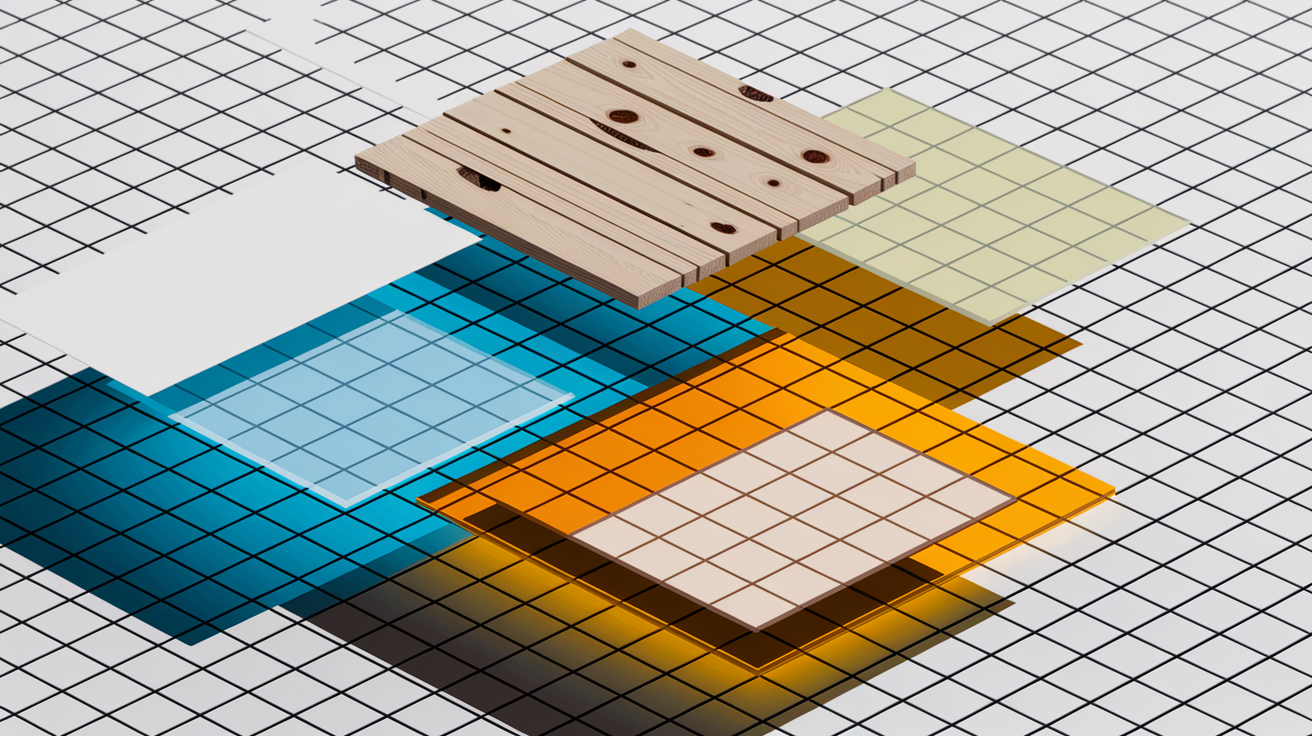
New drywall in good condition accepts regular primer without issue. The paper face is clean and porous, providing excellent adhesion for acrylic or oil based primers. When drywall shows water damage, brown staining, or any discoloration, switch to stain blocking primer immediately. Water stains on drywall almost always bleed through regular primer within months.
Bare wood requires primer that can penetrate and seal the grain. Regular primers work fine on most common lumber and sheet goods unless you’re dealing with knots, old growth wood, or tannin rich species like cedar and redwood. Knots contain concentrated resins and tannins that take much longer to show through, sometimes appearing a year or more after painting. Assume stain blocking primer is needed for any visible knots. Pine, fir, and hemlock without knots accept regular primers. Cedar, redwood, and wood salvaged from old structures almost always need oil based or shellac stain blocking to prevent tannin bleed.
Previously painted surfaces in good condition need only regular primer to provide a uniform base for your new topcoat. If the existing paint is intact, not peeling, and shows no stains, odors, or damage, you’re priming for adhesion and coverage, not stain control. Sand glossy finishes lightly to create tooth, clean the surface, and apply regular primer.
Specialty surfaces including metal, laminate, ceramic tile, and high gloss finishes benefit from shellac based primers because they adhere without sanding. BIN Shellac Primer sticks to glossy plastics, metals, varnished surfaces, and even glass, creating a base that accepts your topcoat. Zinsser Cover Stain shouldn’t be applied to wood but works on a wide range of other substrates without sanding. When you can’t sand a surface or sanding would damage the underlying material, shellac primer solves the adhesion problem.
Coverage, Hiding Power, and Number of Coats Required

Standard coverage for both regular and stain blocking primers sits around 300 to 400 square feet per gallon on smooth, non porous surfaces. Porous surfaces like bare wood or unsealed drywall absorb more primer, reducing coverage to 200 to 300 square feet per gallon. Heavy stain blocking primers may go on slightly thicker, which reduces coverage but increases blocking power. Plan for one gallon to cover a 10 by 12 foot room with 8 foot ceilings, including walls and ceiling.
Multiple coats become necessary when you’re blocking heavy stains or changing from dark to light colors. Apply your first coat of stain blocking primer, then wait 24 hours before inspecting for bleed through. Stains that bleed through immediately need a second coat or a stronger primer formulation. Pink color appearing through the primer film indicates wood tannins coming through and almost always requires switching to shellac based primer, even if you started with oil based. For exterior projects where BIN Shellac can’t be used, apply multiple coats of Kilz Original and spot treat knot holes with BIN as trouble spots appear.
Dramatic color changes benefit from tinted primer. If you’re going from dark red walls to white, ask the paint store to tint your primer gray. The gray base covers the dark color more efficiently than white primer, reducing the number of topcoats needed for full hide. Fresh Start High Hiding All Purpose Primer provides maximum hide with fewer coats when properly tinted.
Steps to Verify Coverage Before Topcoat:
-
Wait 24 hours after applying primer coat before assuming coverage is complete, even if the surface looks good immediately.
-
Inspect the entire primed surface in good lighting, looking for any discoloration, yellow or brown spots, or pink bleeding that indicates stain bleed through.
-
Address pink bleeding or persistent stains by applying shellac based primer over the affected areas, then repriming the full surface with your original product for uniform appearance.
-
Proceed to topcoat application only after confirming no bleed through appears during the 24 hour test period.
Application Methods and Drying Time for Both Primer Types
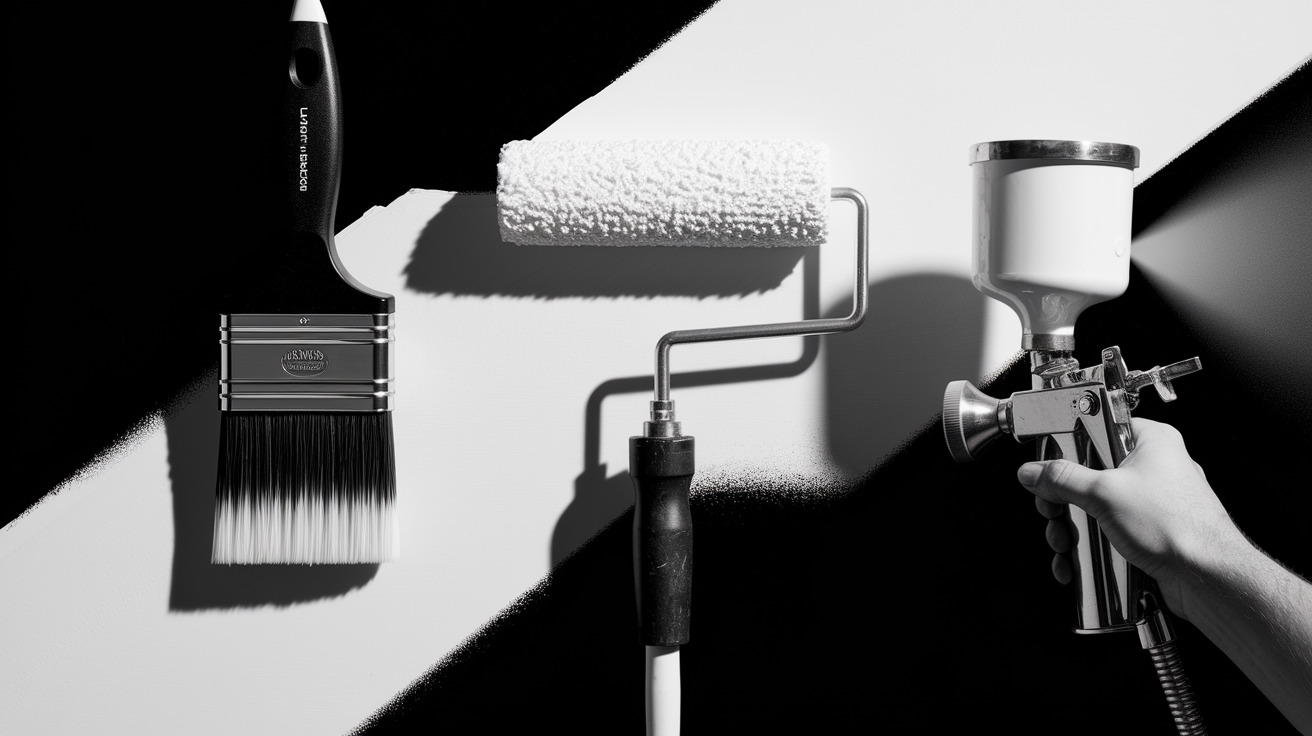
Brush application works well for trim, edges, and detail work with all primer types. Use a high quality synthetic brush for water based primers and either natural bristle or synthetic for oil based and shellac primers. Roller application covers walls and ceilings faster, using a 3/8 inch nap roller for smooth surfaces and 1/2 inch nap for textured surfaces. Spray application provides the smoothest finish but requires more setup, masking, and ventilation. Shellac and oil based primers spray well when thinned slightly according to manufacturer instructions.
Apply primer in smooth, even coats without overworking the material. One medium thickness coat provides better blocking than two thin coats. Avoid heavy application that creates runs or sags. Feather edges where you’re spot priming stains so the transition to the surrounding surface stays smooth. Load your roller evenly and maintain consistent pressure to prevent thin spots that allow stain bleed through.
Drying and recoat timing varies significantly by formulation type. Shellac primers like BIN dry in 15 minutes and accept topcoat after 45 minutes. Water based primers including Bulls Eye 1 2 3 dry in 30 minutes with 1 hour recoat times. Oil based primers take longer, with Zinsser Cover Stain requiring 2 hours between coats and some oil based formulations needing up to 4 hours. Temperature and humidity affect all these times. Cold or humid conditions extend drying time, sometimes doubling the wait before recoat. Hot, dry conditions speed drying but can cause skinning before solvents fully flash off.
Ventilation requirements increase with primer strength. Water based primers need normal room ventilation through open windows or doors. Oil based primers require active ventilation with fans moving air out of the work area and fresh air coming in. Shellac primers produce strong alcohol vapors that require the same ventilation as oil based products. Bulls Eye 1 2 3 can’t be used in low temperatures below 50°F, where BIN Shellac performs better. Avoid applying any exterior primers when rain is forecast within 4 hours or when temperatures will drop below the product’s minimum application temperature before the primer dries.
Cost Analysis: Pricing Tiers and Return on Investment

Water based primers typically run £8 to £15 per gallon, making them the most affordable option for projects without serious stain problems. Oil based primers range from £15 to £25 per gallon, reflecting their stronger formulations and higher solvent content. Shellac based primers sit at £17 to £30 per gallon, with the premium price buying extreme blocking power and fast dry times that can save labor hours on quick turnaround projects.
Total project cost calculation changes dramatically when you factor in paint, labor, and the expense of complete re priming and repainting if bleed through occurs months after the initial job. A gallon of water based primer might save you £10 upfront, but if stains bleed through six months later, you’re buying primer again, buying paint again, and spending another full day or weekend redoing the entire project. That £10 savings becomes a £100+ loss when you add up materials and time. Starting with oil based or shellac primer on questionable surfaces costs more initially but prevents the total project failure that requires starting over.
Start with the appropriate strength primer rather than defaulting to the cheapest option, but avoid automatically choosing the most expensive product when a mid grade primer will handle your actual problem. If you’re facing light crayon marks, Kilz 2 at £11 per gallon works fine. No need to buy BIN Shellac at £18 per gallon. If you see heavy water stains or smell smoke damage, the oil based primer at £20 per gallon prevents the £150 re do that follows when the £11 primer fails. Match the product to the problem intensity.
| Primer Type | Price Range | Best Value Scenario | Poor Value Scenario |
|---|---|---|---|
| Water Based | £8-£15/gallon | Clean surfaces, light stains, no odors, good ventilation not available | Heavy stains, smoke damage, tannin bleed, pet odors requiring re priming in 6 months |
| Oil Based | £15-£25/gallon | Moderate to heavy stains, smoke, water damage, tannin prone woods, odor sealing | Light surface prep on clean walls with no stain issues, wasting blocking power |
| Shellac Based | £17-£30/gallon | Severe stains, pink bleed through, old growth wood, knots, fast turnaround needs | Fully coating large exterior projects in hot climates where film will soften and fail |
Mold Prevention and Mildew Resistance in Primers
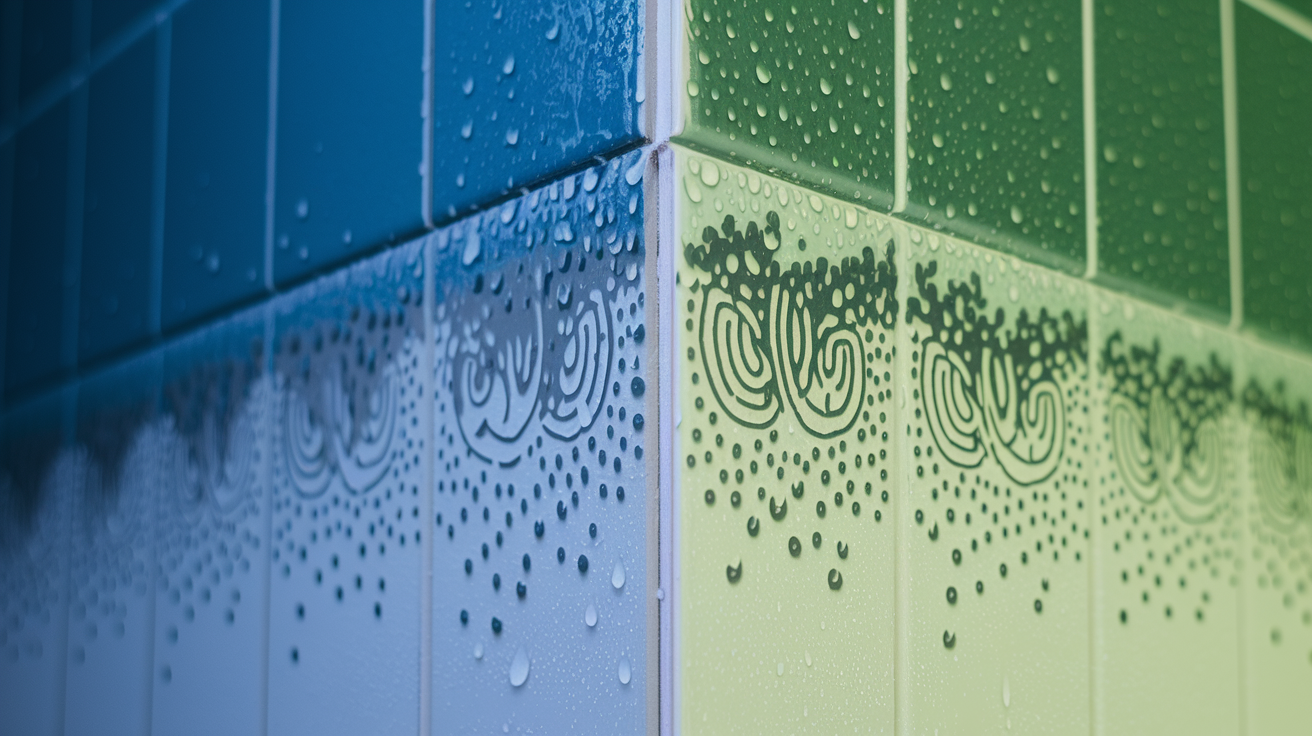
Biocide additives in water based primers inhibit fungal growth on the primer film itself, preventing mildew from colonizing the surface between primer and topcoat. Products like Zinsser Bulls Eye 1 2 3 include biocide protection against fungal degradation, creating a mildew resistant barrier that helps prevent the black spotting that appears in damp areas. This protection works by making the primer film inhospitable to mold spores, not by killing existing mold.
High risk areas including bathrooms, kitchens, basements, laundry rooms, and ceilings below bathrooms benefit significantly from mildew resistant primers. Any room with elevated humidity or poor ventilation should receive primer with biocide additives. Fresh Start High Hiding All Purpose Primer and Fresh Start All Purpose Primer both provide mildew resistant coatings suitable for these moisture prone locations. The protection extends the time before mildew appears but doesn’t eliminate the need for proper ventilation and humidity control.
Mold resistant primer differs from mold killing primer in important ways. Mold resistant primers prevent new growth on clean surfaces. Mold killing primers contain stronger biocides designed to kill active mold colonies on contaminated surfaces. If you see existing mold growth, you need a mold killing product, thorough cleaning with bleach solution, and in many cases professional remediation, not just mold resistant primer. Use mold resistant primers as prevention on clean surfaces in damp areas, not as treatment for active mold problems.
Sealing Odors: Pet Stains, Smoke, and Food Smells

Stain blocking primers encapsulate odor molecules within the primer film, preventing them from penetrating through subsequent paint layers. The primer creates a sealed barrier between the contaminated surface and your new topcoat. This physical encapsulation works better than masking or absorbing odors because it prevents the smell from reaching the air in the room, even years after application.
Pet urine requires oil based primer like Kilz Original, which seals the odor causing compounds in the subfloor, drywall, or concrete. Cigarette smoke and nicotine stains need either oil based or shellac primer depending on severity. Light smoking residue responds to oil based primer, while heavy nicotine buildup from years of indoor smoking requires BIN Shellac for complete odor control. Fire damage produces the most persistent smoke odors and almost always needs shellac primer on all affected surfaces. Cooking odors from grease penetration into porous surfaces seal effectively with oil based primer.
The temporary strong odor from oil based and shellac primers during application seems counterintuitive when you’re trying to eliminate smells, but the solvent odor dissipates completely within 24 to 48 hours while the sealed odors stay trapped permanently. Open windows, run fans, and consider vacating the space during application and initial drying. The primer’s own smell is temporary. The odor sealing is permanent. Expect oil based primer odor to clear within 2 days and shellac primer odor to fade within 1 day in well ventilated spaces.
Common Paint Failure Problems When Wrong Primer Is Used

Paint failure from primer mismatch shows up as bleed through, staining, peeling, bubbling, or poor adhesion that requires stripping and starting over. These problems appear when regular primer is used on surfaces needing stain blocking, when incompatible chemistry creates bonding failures, or when surface preparation is skipped based on misunderstanding primer capabilities.
Delayed bleed through appearing months after painting represents the most common and frustrating failure mode. You complete the project, the surface looks perfect, then six months later yellow or brown stains appear through your fresh white paint. This happens when water stains, nicotine, or wood tannins are sealed with regular primer or water based stain blocking primer instead of oil based or shellac formulations. The stain slowly migrates through the insufficient barrier, eventually reaching the surface. At that point, the only fix is complete re priming with proper stain blocking primer and repainting.
Adhesion failures occur when primer doesn’t match surface chemistry or when bonding primer is skipped on non porous surfaces. Applying acrylic finish over previously painted oil based topcoat without bonding primer causes peeling within weeks as the water based paint can’t grip the oil based surface. Painting over high gloss finishes without bonding primer or proper sanding creates the same problem.
Specific Failure Scenarios:
- Yellow nicotine stains appearing through white paint after 6 months: Water based or regular primer used instead of oil based or shellac stain blocking primer
- Pink bleeding through primer coat: Wood tannins migrating through insufficient blocker, requires shellac based primer
- Paint peeling from glossy cabinet doors or tile: Bonding primer like STIX needed for non porous surfaces
- Brown water stains showing through ceiling paint after 8 months: Regular primer used on water damaged drywall instead of stain blocking primer
- Paint bubbling near window trim: Moisture trapped under primer that lacks proper sealing properties for exterior exposure
- Knot holes darkening and bleeding through paint after 1 year: Knots not sealed with shellac or oil based stain blocking primer before topcoat application
Final Words
Picking between stain blocking primer vs regular primer comes down to what’s underneath your paintbrush.
Regular primer works fine for clean, stable surfaces. But if you’re covering stains, odors, or tricky materials, stain-blocking formulas save you from redoing the whole job six months later.
Match the primer strength to the problem. Start with water-based for light issues, move to oil-based for heavy stains, and reach for shellac when nothing else will stick or block.
Get it right the first time, and your walls stay clean for years.
FAQ
Is stain blocking primer different from regular primer?
Stain blocking primer is different from regular primer because regular primers prepare surfaces for paint adhesion while stain-blocking primers prevent discoloration and bleed-through from underlying stains like water damage, smoke, or tannins.
What is the best stain blocking primer?
The best stain blocking primer depends on stain severity. BIN Shellac Primer blocks the worst stains including heavy tannins and smoke damage, Kilz Original handles moderate stains, and Zinsser Bulls Eye 1-2-3 works for light stains.
Can you use stain block as a primer?
You can use stain block as a primer because all stain-blocking products also provide the surface preparation and adhesion benefits of regular primers, making them dual-purpose products that eliminate the need for separate primer coats.
Is stain blocking primer necessary for all painting projects?
Stain blocking primer is not necessary for all painting projects. Clean, previously painted surfaces in good condition with no visible stains, odors, or damage only require regular primer or can use self-priming paint products.
How long does stain blocking primer take to dry?
Stain blocking primer drying time varies by formulation. Shellac-based primers dry in 15 minutes with 45-minute recoat, oil-based primers need 2-4 hours, and water-based primers require 30 minutes to 1 hour before recoating.
Can stains bleed through paint after it’s already dry?
Stains can bleed through paint months or even years after application if not properly blocked with stain-blocking primer, requiring complete re-priming and repainting. Water stains, tannins, and smoke damage commonly cause delayed bleed-through.
What cleanup method does stain blocking primer require?
Stain blocking primer cleanup method depends on formulation. Water-based primers clean with soap and water, oil-based primers require mineral spirits, and shellac-based primers need denatured alcohol for brush and tool cleanup.
Does stain blocking primer work on mold and mildew?
Stain blocking primer with biocide additives resists mildew growth on the primer film but does not kill existing mold. Active mold must be cleaned and removed before priming high-humidity areas like bathrooms or basements.
Can you use stain blocking primer on bare wood?
You can use stain blocking primer on bare wood, and it’s recommended for tannin-rich species like cedar, redwood, or old-growth lumber with visible knots to prevent pink or yellow bleeding through topcoat paint layers.
Will regular primer seal pet or smoke odors?
Regular primer will not seal pet or smoke odors effectively. Oil-based primers like Kilz Original or shellac-based primers like BIN trap and encapsulate odor molecules, preventing them from penetrating through paint layers.