

You’ll see advice everywhere to “just use good primer,” but most primers don’t block stains at all. They prep surfaces and help paint stick. That’s useful until a water stain, wood knot, or nicotine bleed shows up three months later and ruins your paint job. Stain blocking primer traps the oils, tannins, and pigments that regular primer lets through. Knowing when you actually need it saves you from repainting the same wall twice because you skipped the right product the first time.
Critical Situations That Require Stain Blocking Primer

Regular primers equalize how surfaces absorb paint. That’s it. They don’t stop tannins, resins, oils, or pigments from bleeding through. Those compounds sit below the surface and migrate up through every layer you apply, sometimes showing up months later. Stain blocking primer contains binders that trap these compounds before they reach your topcoat.
Severe stains need stain blocking primer. No exceptions. Water stains from leaks or flooding contain rust, minerals, and tannin deposits that bleed through standard primers within weeks. Smoke damage and nicotine stains carry tar and oil that seep through multiple coats of paint. Wood tannins from knots, cedar, redwood, and old growth lumber bleed through as yellow or pink discoloration, sometimes taking a full year to appear. Grease spots on kitchen walls and ceilings contain oils that dissolve through latex primers. Pet stains from urine or feces contain organic compounds that both discolor and smell, requiring primers that seal odor and pigment together.
Light to moderate stains like crayon marks, pencil scribbles, and scuff marks can often be handled with water based stain blockers. If you prime the whole wall with a water based formula and notice a few spots bleeding through after it dries, spot treat those areas with oil based or shellac primer, let it dry, then apply your topcoat. This approach saves time and reduces fumes while still blocking breakthrough stains. The timeline matters more than most people expect. Some wood tannins take six months or longer to appear, so priming properly the first time prevents repainting an entire room because a few knots started weeping through your carefully rolled walls.
| Stain Severity | Use Stain Blocking Primer? | Primer Type Needed |
|---|---|---|
| Severe stains | Always required | Oil-based or shellac-based |
| Light/moderate stains | Yes, with spot treatment option | Water-based, with oil-based or shellac for breakthrough areas |
| No visible stains | Only for raw wood with knots or tannin-prone species | Oil-based for knots, water-based for clean surfaces |
Severe stains requiring heavy duty blocking:
-
Water damage stains: Ceiling or wall discoloration from leaks contains rust, mineral deposits, and tannins that bleed through because the moisture pulled compounds from building materials and concentrated them at the surface
-
Smoke and nicotine damage: Tar and oil from cigarette smoke or fire damage penetrate porous surfaces and continuously migrate through paint layers, often appearing as brown streaks months after painting
-
Wood knots and tannin rich species: Knots contain concentrated resin pockets that bleed for years, while cedar, redwood, and old growth lumber release tannins that show up as yellow or pink discoloration through topcoats
-
Grease stains: Cooking oils and food grease on kitchen surfaces dissolve through latex primers because oil based compounds migrate through water based barriers
-
Pet stains: Urine, feces, and animal oils contain organic pigments and odor compounds that both discolor and smell, requiring primers that trap molecules instead of just covering color
Light to moderate stains suitable for water based blocking or spot treatment:
-
Crayon and marker: Wax based crayons and permanent markers bleed through regular primer but respond well to water based stain blockers, with occasional oil based spot treatment for stubborn areas
-
Pencil marks and scuff marks: Graphite and rubber scuffs sit on the surface rather than penetrating, making them suitable for standard water based stain blocking primers without stronger formulas
-
Light graffiti: Spray paint over sealed surfaces can often be blocked with water based primers if the base material isn’t porous, though porous surfaces require oil based treatment
Types of Stain Blocking Primer and Their Specific Applications

Oil Based Stain Blocking Primer
Oil based stain blockers handle severe stains from smoke, grease, water damage, and wood tannins. Prime Lock Plus from Benjamin Moore and Kilz Original are the workhorses most professionals reach for first because they block most stains in a single coat without the extreme toxicity of shellac formulas. Cleanup requires mineral spirits or paint thinner, and you need a respirator with vapor filters plus open windows during application. These primers typically dry to touch in two to four hours but need overnight drying before topcoat application. They seal odors from smoke, pets, and food while blocking pigment bleed, making them the default choice for water damaged ceilings and nicotine stained walls. Oil based formulas bond to glossy surfaces better than water based options, which matters when priming old oil paint or stained trim you’re converting to a painted finish.
Shellac Based Stain Blocking Primer
BIN Shellac Primer blocks the absolute worst stains that defeat oil based formulas. It’s the nuclear option for heavy tannins bleeding from old growth wood, persistent water stains that show through multiple primer coats, and pink tannin discoloration that keeps appearing through oil based blocking attempts. Shellac primer cleans up with denatured alcohol, dries in minutes rather than hours, and produces fumes so toxic you need vapor filter respirators and can’t stay in the room long. The fast dry time means brush marks and drips set before you can fix them, and the runny consistency makes it messy to apply. BIN is officially rated for interior use only and spot exterior applications, with warnings about hot climates where the shellac can soften and fail, though some users report successful full exterior applications in moderate climates. When you see pink bleeding through your oil based stain blocker, it’s tannins, and shellac primer almost always stops it.
Water Based (Latex) Stain Blocking Primer
Water based stain blockers like Aqua Lock Plus and Kilz 2 offer moderate blocking power with water cleanup and lower fume levels. They handle light to moderate stains including crayon, light nicotine, scuff marks, and minor water stains. Aqua Lock Plus sits near the top of the water based category and blocks almost as effectively as oil based primers, but tough stains may bleed through and require spot treatment with oil or shellac formulas. The spot treatment strategy works well. Prime the entire surface with water based formula, wait 24 hours, check for breakthrough stains, then hit those spots with oil based or shellac primer before applying topcoat. Kilz 2 handles even lighter duty work and dries fast, but it won’t stop serious tannin bleed, grease, or heavy smoke damage. Water based formulas work best when you need decent blocking power without dealing with mineral spirits cleanup or respirator requirements.
| Primer Type | Best For | Cleanup | Blocking Power |
|---|---|---|---|
| Oil-based | Most severe stains, wood tannins, smoke, grease, water damage, odor sealing | Mineral spirits | High—blocks most stains in single coat |
| Shellac-based | Worst-case stains, pink tannin bleed, persistent water stains, old-growth wood | Denatured alcohol | Maximum—stops stains that defeat oil-based formulas |
| Water-based | Light to moderate stains, crayon, light nicotine, scuff marks, minor water stains | Soap and water | Moderate—sufficient for lighter stains, may need spot treatment for breakthrough |
Wood Applications: Tannins, Knots, and Trim Conversion

Wood releases tannins and resins that migrate through paint layers for months or over a year, making it the most common source of delayed stain bleed. Knots contain concentrated resin pockets that look dry and stable until you paint over them, then the solvents in paint activate the resins and pull them to the surface. Cedar and redwood contain natural preservative oils that protect the wood but bleed through as yellow or pink discoloration. Old growth lumber from pre 1950s homes has denser grain and higher tannin content than modern fast growth pine, requiring stronger blocking primers even when the wood looks clean and stable.
| Wood Type | Requires Stain Blocker? | Recommended Primer |
|---|---|---|
| Cedar | Always | Oil-based or shellac-based |
| Redwood | Always | Oil-based or shellac-based |
| Old-growth wood | Always | Shellac-based for heavy tannins, oil-based for moderate |
| Knotty pine | Yes—full surface | Oil-based for entire surface to prevent flashing |
| Pine knots (occasional) | Yes—spot prime | Oil-based or shellac-based on knots only |
| Standard pine | Only if knots present | Water-based for clear wood, oil-based for knots |
| Cabinets/trim conversion | Yes | Oil-based for adhesion and tannin blocking |
| Plywood | Depends on species | Oil-based if edges show knots or dark grain |
Knotty pine with multiple knots across the surface needs full surface priming rather than spot treatment. If you prime only the knots, the primer creates texture differences and seals those areas differently than the bare wood, causing the topcoat to absorb unevenly and create flat spots called flashing. Prime the entire surface with oil based stain blocker so the topcoat lays down uniformly. For wood with just a few scattered knots, spot priming those areas works fine because the texture difference won’t be visible across the whole piece.
Converting stained wood trim or cabinets to paint requires light sanding with 150 grit sandpaper to scuff the finish and create scratches for better primer bonding. Sand just enough to dull the sheen without removing the finish layer completely. Oil based primer provides the best long term adhesion for this application because it grabs onto the scuffed finish and blocks any tannins that might bleed from the wood underneath. If you’re painting kitchen cabinets, check out our DIY Cabinet Painting Guide for complete preparation and primer selection strategies. Water based primers don’t bond as well to oil based stains and varnishes, leading to peeling problems down the road.
Pink discoloration bleeding through your primer means wood tannins, and it almost always requires upgrading to shellac based primer. Tannins create pink, yellow, or orange stains that appear days or weeks after priming, sometimes in streaks or blotches. If you used water based or oil based primer and see pink coming through after it dries, clean the surface and apply shellac primer over those areas, let it cure overnight, then proceed with your topcoat. The pink won’t go away on its own and will bleed through additional coats of paint if you don’t seal it with shellac.
Surface Preparation Before Applying Stain Blocking Primer

Skipping preparation work leads to primer failure and stain bleed through because the primer can’t bond properly to dusty, greasy, or glossy surfaces. The stain blocking compounds in the primer need direct contact with the stain to trap it, so anything sitting between the primer and the surface reduces effectiveness. A properly prepped surface gives you single coat blocking instead of multiple attempts with wasted primer and time.
Start by removing dust, cobwebs, and loose debris with a shop vacuum or dust brush. Wipe down the surface with a damp cloth if you see grease, cooking residue, or nicotine film, then let it dry completely before priming. Water damaged areas sometimes have friable surface material that flakes or crumbles when you touch it. Scrape that away with a putty knife before priming because primer won’t bond to material that’s already letting go of the substrate. For mold situations, spray the affected area with mold killer first and let it work for the time specified on the product label, usually 10 to 15 minutes. Never use bleach on mold because it doesn’t kill all the spores and the survivors multiply faster after treatment. After the mold killer dries, apply mold killing primer, then add mold inhibiting additive to your topcoat paint to prevent regrowth.
Light sanding with 150 grit sandpaper creates scratches that help primer bond mechanically instead of relying only on surface adhesion. Sand just enough to scuff glossy surfaces and smooth rough spots without grinding through the material underneath. The goal is creating texture for the primer to grab, not removing material.
Complete preparation sequence:
- Vacuum or brush away dust and loose debris from the surface and surrounding area
- Scrape away any flaking or crumbling material with a putty knife until you reach solid substrate
- For mold, spray with mold killer and wait for specified contact time (never use bleach)
- Wipe greasy or filmed surfaces with a damp cloth and let dry completely (test by touching. Surface should feel dry, not cool or damp)
- Light sand with 150 grit sandpaper to create scratches for primer bonding, then vacuum or wipe away sanding dust
- Check for any remaining loose material or dust with your hand, rewipe if needed before priming
Application Techniques and Testing for Stain Blocking Primer

Brush application gives you the most control for stain blocking because you can work the primer into the surface texture and ensure complete coverage over the stain. Brushes also let you apply thicker coats without drips, which matters because generous single coats block better than thin multiple coats. Rollers work well for large flat areas like walls and ceilings once you know the stain is consistently distributed, but corners and edges still need brush cutting first. Spray application puts down the thinnest, most even coat and works best for large projects like whole rooms or exterior siding, but it requires more ventilation and uses more material because of overspray. For spot priming individual stains, brush application wastes less product and contains fumes better.
One generous coat should block the stain completely. If you’re applying a second coat of stain blocking primer, something went wrong with surface prep, product selection, or application technique. Apply the primer thick enough to fully cover the stain without letting it drip or sag. Thick single coats trap more stain compounds than two thin coats with a dry time in between, because the compounds can migrate during each dry cycle.
Wait 24 hours after priming before checking for bleed through, even though the primer feels dry to touch after a few hours. Full cure time matters because some stains continue trying to migrate through the primer film as it hardens, and you won’t see breakthrough until the primer fully sets. For severe stains like heavy water damage or old smoke residue, test your topcoat on a small section after the 24 hour wait instead of painting the whole area immediately. Paint a two foot square section, let it dry overnight, and check whether any discoloration shows through before committing to the full surface.
For oil based and shellac primers, cut your brush handles short with a hacksaw so they fit inside the primer can with the lid closed. Store the brush in the can between coats or between days instead of cleaning it every time, because cleaning uses a lot of solvent and repeated cleaning destroys brush bristles quickly. This works especially well with toxic primers where you want to minimize handling and solvent use. With shellac primers, use disposable gloves and plan to throw away brushes after the project because the fast dry time makes them hard to clean thoroughly, and denatured alcohol cleanup degrades bristle integrity.
After priming severe stains, paint a small test section with your topcoat and wait 24 hours to verify the stain stays blocked. If discoloration shows through the topcoat, apply a second coat of primer to that area and test again with another small topcoat section. If bleeding continues after the second primer coat, you likely need a stronger primer formula. Switch to oil based if you used water based, or upgrade to shellac if oil based isn’t holding. Extended dry time sometimes helps, especially with wood tannins, so consider waiting 48 hours instead of 24 before topcoating to give the stain blocking compounds more time to set.
Troubleshooting common bleed through scenarios:
-
Pink or yellow discoloration through oil based primer: Wood tannins breaking through. Spot treat with shellac primer and retest before full topcoat
-
Brown streaks appearing days after topcoat: Nicotine or smoke tar still migrating. Apply second coat of oil based primer or switch to shellac on problem areas
-
Water stain showing faintly through water based primer: Insufficient blocking power. Spot treat with oil based primer over the stain and let cure 24 hours
-
Grease spots darkening through topcoat: Oil not fully sealed. Clean again with degreaser, let dry, apply oil based primer, then retest
-
Knots bleeding through weeks after painting: Delayed tannin release. Sand the area, apply shellac primer over the knot, let cure, then touch up topcoat
-
Persistent odor despite primer: Odor molecules escaping through incomplete seal. Apply second coat of oil based primer rated for odor blocking
-
Bleed through appearing months later: Stain compounds taking extended time to migrate. This happens with some wood tannins and reinforces why initial priming with strong blockers matters
Safety Requirements When Using Stain Blocking Primer

Oil based and shellac primers contain high levels of volatile organic compounds that cause headaches, dizziness, and respiratory irritation when you breathe them. Shellac primers produce some of the most toxic fumes available in DIY products, with denatured alcohol vapors that affect your nervous system quickly. These aren’t exaggerated warnings. The fumes are genuinely hazardous and require serious ventilation and respiratory protection.
Wear a respirator rated for organic vapors during application and for at least 30 minutes after you finish. The small paper dust masks or surgical masks do nothing against vapor. You need a respirator with replaceable vapor cartridges rated for organic compounds. Open every window in the room and use fans to create cross ventilation that pushes fumes outside instead of letting them circulate through your house. Oil based primers like Prime Lock off gas quickly and become safe to be around without a respirator after a few hours, though you’ll still smell them. Shellac primers remain extremely toxic during application and need aggressive ventilation. If you have allergies or chemical sensitivities, Odorless Kilz oil based primer provides stain blocking power without the strong fumes that trigger reactions.
Cleanup solvents for these primers are flammable and require careful handling. Mineral spirits for oil based primers and denatured alcohol for shellac primers both ignite easily and produce harmful vapors. Wear disposable nitrile gloves during cleanup to keep solvents off your skin. Dispose of solvent soaked rags by laying them flat outside to dry before throwing them away, because balled up rags can spontaneously combust as the solvents oxidize.
Essential safety equipment and practices:
- Respirator with organic vapor cartridge filters (not a paper dust mask)
- Nitrile gloves for skin protection during application and cleanup
- Open windows on opposite sides of the room for cross ventilation
- Fan positioned to exhaust fumes outside, not recirculate them
- Keep primer and solvents away from pilot lights, water heaters, and ignition sources
- Lay solvent soaked rags flat outdoors to dry before disposal to prevent spontaneous combustion
Specific Stain Scenarios and Primer Recommendations
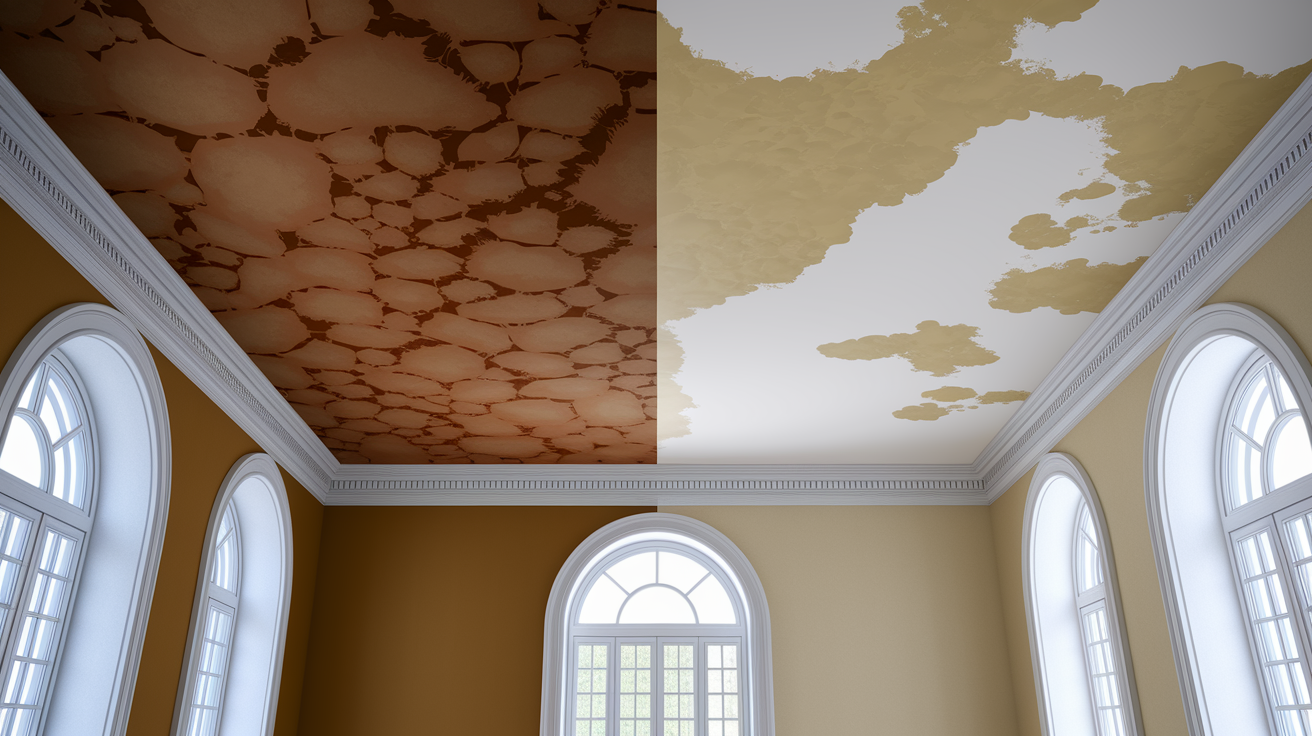
Different stain sources contain different compounds that respond to different primer chemistries. Water stains carry minerals and rust that need physical barrier blocking. Smoke tars dissolve and migrate through paint films unless trapped by oil based binders. Pet urine contains ammonia and organic pigments that both discolor and smell, requiring primers that seal molecules instead of just covering color.
Odor sealing matters as much as color blocking for smoke, pet, and fire damage situations. Kilz Original oil based primer seals pet, smoke, and food odors while blocking the visual stains these sources create. The oil based formula traps odor molecules and prevents them from escaping through the paint film, which water based primers can’t do consistently. For smoke damage from cigarettes or fires, oil based primers handle the tar and particulate deposits while sealing the smell that persists in porous materials.
Rust and mold need specialized products before stain blocking primer application. For rust on metal, use Rust Scat oil based fast drying metal primer or apply 3M rust converter which chemically changes rust into a stable primer layer. For mold, kill it with mold specific spray first, then apply mold killing primer, then add mold inhibiting additive to your topcoat paint to prevent regrowth.
| Stain Type | Recommended Primer | Why It Works |
|---|---|---|
| Water damage | Oil-based (Kilz Original or Prime Lock Plus) | Blocks minerals and rust deposits, seals surface against future moisture |
| Smoke/nicotine | Oil-based (Kilz Original) | Traps tar and odor molecules, prevents migration through topcoats |
| Pet stains | Oil-based (Kilz Original) | Seals both odor and pigment from urine, feces, and animal oils |
| Grease | Oil-based (Prime Lock Plus) | Oil-based formula bonds with grease deposits and prevents dissolution through water-based topcoats |
| Marker/crayon | Water-based (Kilz 2) or oil-based for permanent marker | Wax and dye compounds respond to moderate blocking, stubborn marker needs oil-based treatment |
| Mold | Mold-killing primer after treating with mold killer spray | Encapsulates killed mold and prevents regrowth when combined with mold-inhibiting topcoat additive |
| Rust | Rust Scat metal primer or 3M rust converter | Converts rust chemically or creates barrier against oxidation continuing |
| Fire damage | Oil-based (Kilz Original) or shellac (BIN) for severe cases | Seals char, soot, and smoke deposits while blocking persistent odors |
| Ceiling leak marks | Oil-based (Prime Lock Plus) or shellac (BIN) for persistent stains | Prevents tannins and minerals from bleeding through, particularly important for textured ceilings where sanding isn’t practical |
Exterior Applications for Stain Blocking Primer

Exterior exposure adds weather resistance and UV stability requirements that interior primers don’t address. Temperature swings from freezing to over 100 degrees, direct sunlight breaking down binders, rain driving moisture into the paint film, and seasonal expansion contraction cycles all stress primer films in ways that don’t happen indoors. Exterior rated primers contain UV inhibitors and flexible binders that interior formulas lack.
Block Out latex stain blocker from Benjamin Moore and Rustoleum Cover Stain oil primer are both rated for exterior use and handle most outdoor stain blocking situations. Block Out is water based, which means easier cleanup and lower fumes during application, but it doesn’t block as aggressively as oil based formulas for severe tannin situations. Cover Stain provides stronger blocking for cedar siding, redwood trim, and water stains on exterior surfaces, with mineral spirits cleanup and the usual ventilation requirements. Kilz Original works on exterior applications like window restoration and cedar siding where stain blocking and weather resistance both matter.
Shellac primers have serious limitations in exterior applications, particularly in hot climates. BIN is officially rated for interior use and spot exterior applications only, with warnings that heat can soften the shellac film and cause adhesion failure. In hot sun, shellac primers can get tacky and collect dirt, or delaminate from the substrate entirely. Some users report successful full exterior BIN applications in moderate climates after 20 years with zero problems, but manufacturer recommendations exist for good reasons and hot climate failures happen often enough to take the warnings seriously.
For exterior projects requiring heavy stain blocking where shellac can’t be used, apply multiple coats of oil based primer like Kilz Original, waiting for full cure time between coats. Alternatively, spot treat the worst problem areas like knots or severe water stains with BIN, let it cure completely, then cover the entire surface including the BIN spots with exterior rated oil based primer before topcoating. This gives you shellac’s blocking power where you need it most while maintaining weather resistance across the full surface. Two or three coats of oil based primer eventually block most stains that BIN would handle in a single coat, though it takes more time and material.
Common Mistakes That Lead to Primer Failure

Stain blocking primers are unforgiving of application errors because stain chemistry constantly tries to migrate through the barrier you’re creating. Regular primers hide minor technique problems, but stain blockers either trap the compounds completely or fail visibly when the stain bleeds through your finished paint job weeks later.
Thin coating causes the most common primer failures because people apply stain blockers like regular primers, using two thin coats instead of one generous coat. Stain compounds migrate through thin primer films during the dry time, and applying a second thin coat just gives them another opportunity to travel. One generous coat applied wet enough to fully cover the stain traps more compounds than multiple thin coats with migration opportunities between each layer. Rushing dry time before topcoating creates similar problems. The primer feels dry to touch after a few hours, but stain blocking compounds need 24 hours to fully set and create an impermeable barrier. Topcoating too soon leaves pathways for stains to continue migrating. Skipping surface prep like cleaning grease or sanding glossy finishes prevents the primer from bonding properly, which lets stains bypass the blocking layer at the microscopic level where the primer isn’t adhering.
Paint and primer in one products have improved but still can’t reliably block stains the way dedicated stain blocking primers do. They work fine for clean surfaces or small touch ups, but they lack the concentrated blocking compounds that trap tannins, smoke residue, and water stain deposits. Using all in one products over stained surfaces often requires touch ups months later when the stains bleed through, which means repainting the same surface twice. Wrong primer formula selection defeats the purpose entirely. Using water based primer on grease stains, latex primer on heavy smoke damage, or skipping stain blocker completely on cedar siding all lead to visible bleed through that requires stripping and repriming to fix.
Common mistakes and their consequences:
-
Applying two thin coats instead of one generous coat: Stains migrate during each dry period, defeating the blocking effect
-
Topcoating before 24 hour cure time: Primer hasn’t fully sealed, leaving pathways for continued stain migration
-
Skipping surface cleaning and sanding: Primer can’t bond to grease or glossy surfaces, letting stains bypass at microscopic level
-
Spot priming knotty wood instead of full surface coating: Creates texture differences and absorption variations that cause flashing in topcoat
-
Using paint and primer in one over stained surfaces: Lacks concentrated blocking compounds, requires touch ups or full repaint when stains appear
-
Selecting wrong formula for stain type: Water based primer on oil based stains, latex primer on smoke damage, no stain blocker on cedar
-
Not testing severe stains before full topcoat: Wastes time and material if primer isn’t blocking, requires starting over with correct product
-
Rushing application in multiple rooms without ventilation breaks: Toxic fume exposure builds up and causes health effects without giving the space time to clear between coats
Product Comparison: Choosing the Right Stain Blocking Primer

Product selection depends on stain severity, your tolerance for fumes and toxic cleanup solvents, and whether you have adequate ventilation for oil based or shellac formulas. Price differences between water based, oil based, and shellac primers reflect blocking power more than brand markup. The most effective stain blockers cost more because they contain expensive binders and solvents.
Budget friendly water based options handle light to moderate stains without requiring respirators or solvent cleanup. Kilz 2 blocks crayon, light nicotine, and scuff marks with soap and water cleanup and low fumes, making it suitable for occupied spaces where ventilation is limited. It won’t stop serious tannin bleed, grease, or heavy smoke damage, but it prevents having to deal with mineral spirits and vapor filter respirators for stains that don’t require that level of blocking. Aqua Lock Plus from Benjamin Moore sits at the top of the water based category and blocks almost as effectively as oil based primers for many stain types, with occasional breakthrough requiring spot treatment with stronger formulas. The water based approach works well when you’re priming an entire room and only expect a few problem spots. Prime everything with water based, check for breakthrough after 24 hours, then spot treat failures with oil based or shellac before topcoating.
Mid range oil based primers like Prime Lock Plus and Kilz Original handle the majority of stain blocking situations professionals encounter daily. Prime Lock Plus from Benjamin Moore blocks severe stains from smoke, water damage, grease, and wood tannins in a single generous coat, with mineral spirits cleanup and respirator requirements during application. Kilz Original provides similar blocking power and also seals pet, smoke, and food odors while blocking the visual stains these sources create. Odorless Kilz oil based primer offers the same stain blocking capability as standard oil formulas but with reduced fumes that work for people with allergies or chemical sensitivities. These primers cost more than water based options but less than shellac, and they handle about 90 percent of stain situations without needing the extreme blocking power that comes with shellac’s toxicity and handling challenges.
Premium shellac based BIN primer represents the nuclear option for stains that defeat oil based blocking attempts. It costs the most per gallon, produces the most toxic fumes, requires denatured alcohol cleanup, and dries so fast that brush marks and drips set before you can smooth them. But when pink tannin discoloration keeps bleeding through your oil based primer, or when water stains persist through multiple blocking attempts, BIN stops them completely. The extremely fast dry time means you can apply topcoat within hours instead of waiting overnight, which saves time on small spot priming jobs. Use it for the worst case scenarios where nothing else works, not as your first choice for routine stain blocking.
Selection criteria when comparing products:
-
Stain severity: Water based for light stains, oil based for most situations, shellac for worst case scenarios that defeat other formulas
-
Ventilation available: Water based if ventilation is limited, oil based with good airflow, shellac only with aggressive ventilation and respirator
-
Cleanup preference: Water based for soap and water convenience, oil based if you have mineral spirits and proper disposal, shellac if you’re willing to deal with denatured alcohol
-
Budget: Water based costs least per gallon, oil based mid range, shellac most expensive but sometimes worth it to avoid repainting when other formulas fail
-
Project size: Water based for large areas with light stains, oil based for full rooms with severe stains, shellac for spot treatment and small problem areas
-
Indoor/outdoor application: Exterior rated oil or latex for outdoor use, interior formulas for inside, shellac limited to interior and spot exterior only
Final Words
Stain blocking primer isn’t optional when you’re dealing with water stains, smoke damage, tannin bleed, or wood knots.
Skipping it or using the wrong formula just means you’ll watch those stains creep back through your fresh paint in a few months.
Match the primer type to the stain severity. Light stuff gets water-based. Tough stains need oil-based. The worst situations require shellac.
Prep the surface, apply one generous coat, wait the full 24 hours, and test before you paint the whole wall. That’s how you stop bleed-through before it starts.
FAQ
Is stain-blocking primer necessary?
Stain-blocking primer is necessary when you’re dealing with water damage, smoke, grease, pet stains, wood tannins, or nicotine because regular primer can’t stop these stains from bleeding through paint, sometimes appearing months or even a year later.
What does stain-blocking primer do?
Stain-blocking primer seals tannins, resins, and discoloration from water, smoke, grease, and wood so they can’t migrate through your topcoat. Regular primer only equalizes surface porosity but doesn’t contain the blocking components needed to trap stains permanently.
How to apply stain-blocking primer?
Apply stain-blocking primer in one generous coat after cleaning and lightly sanding the surface with 150-grit sandpaper. Use a respirator and open windows for oil-based or shellac formulas, wait 24 hours before testing with topcoat, and avoid thin coats.
How many coats of stain blocker do I need?
You need one generous coat of stain-blocking primer if applied properly. Two coats shouldn’t be necessary. If stains bleed through after the first coat and 24-hour drying period, switch to a stronger primer formula like shellac-based instead of adding more layers.
Can I use water-based stain-blocking primer for severe stains?
Water-based stain-blocking primer works for light to moderate stains like crayon or marker, but severe stains from smoke, grease, or heavy tannins usually need oil-based or shellac primer. You can spot-treat breakthrough areas with stronger primer if needed.
Does shellac primer work on exterior surfaces?
Shellac primer is limited to interior use and spot exterior applications only, especially in hot climates where it breaks down faster. For exterior projects needing heavy stain blocking, use oil-based primers rated for outdoor use or spot-treat problem areas before full coating.
What primer stops wood tannins from bleeding through?
Shellac-based primer stops wood tannins most effectively, especially the pink discoloration from cedar, redwood, old-growth wood, and knots. Oil-based primers work for most tannin situations, but persistent pink bleed-through almost always requires upgrading to shellac formula.
Should I prime the entire surface or just spot-prime knots?
Prime the entire surface on knotty pine or heavily knotted wood to prevent flashing and uneven appearance in the final finish. Spot-priming works fine if you only have occasional knots, but full coverage gives more consistent results on problem woods.
How long should stain-blocking primer dry before painting?
Stain-blocking primer should dry for 24 hours before you apply topcoat, especially for severe stains. This waiting period ensures full drying and lets you test a small section first to confirm the stain won’t bleed through before painting the entire area.
Do I need a respirator for stain-blocking primer?
You need a respirator with vapor filters for oil-based and shellac primers, along with open windows for ventilation during application. Water-based stain blockers don’t require respirators, and some oil-based low-odor formulas are safer for people with sensitivities.